🦶🏻
The Emoji
Foot: Light Skin Tone
U+1F9B6 U+1F3FB · :foot_light_skin_tone:
Trend 38
Meaning layers
- interpretation
- Used humorously to indicate walking away from drama, stomping on negativity, or as a weird flex. Also used in foot-pic culture jokes and self-deprecating humor about body parts.
- tiktok usage
- Appears in 'put your foot down' trend videos, walking-away-from-toxic-situations narratives, and ironically in reaction content. Sometimes used to gatekeep or signal leaving a conversation.
- irony level
- 7 / 10
Platform meanings
- meaning
- Used to signal walking away, stomping, or in the context of foot-related trends and dances. Also a humor marker in 'foot pic' joke videos.
- trend usage
- Appears in 'leaving toxicity behind' montages, dance content highlighting footwork, and ironic foot-pic culture commentary.
- hashtags
- #footcheck#footemoji#walkaway#stepdown#footpics
- virality score
- 52 / 100
Cultural meanings
🇺🇸
Western / Gen-Z
Used humorously to reference foot-pic culture, walking away from drama, or as a niche meme reaction. High irony usage in meme contexts.
🇵🇰
Pakistan & India
Primarily used literally to discuss walking, feet pain, or travel. Culturally, feet carry religious significance (touching elders' feet for blessings), so the emoji may be used reverently or casually in health discussions.
🌍
Middle East
Used mainly in literal contexts like walking, foot pain, or travel. Feet have religious significance in Islamic cleansing rituals (wudu), so it may appear in religious hygiene content.
🌐
Global Neutral
Universally understood as a foot emoji, used for walking, foot care, or body-related discussions without significant cultural baggage.
🇧🇩
Bangladesh
Primarily literal usage for walking, foot pain, or health discussions. Feet hold cultural respect in familial and religious contexts, limiting ironic usage.
🇱🇰
Sri Lanka
Used in contexts of walking, pilgrimage (Sri Pada/Adam's Peak is a major footprint pilgrimage site), or foot health. The footprint aspect carries spiritual resonance.
🇨🇳
China
Used literally for foot massage culture (足疗 is very popular), walking, fitness apps, or step-count sharing on platforms like WeChat. Foot massage content is common.
🇯🇵
Japan
Associated with foot care, reflexology, and onsen culture. Used in health and wellness content. Japanese social media tends to use it literally with minimal ironic layering.
🇰🇷
South Korea
Appears in K-pop dance content highlighting footwork, fitness trackers, and health-conscious beauty/skincare discussions including foot care products.
🇹🇼
Taiwan
Used in reflexology and traditional medicine content, walking challenge posts, and fitness sharing on LINE or Instagram.
🇭🇰
Hong Kong
Common in hiking culture posts, foot reflexology content, and fitness tracking. Practical usage dominates with minimal ironic layering.
🇵🇭
Philippines
Used in travel and walking content, beach photos showing bare feet, and occasionally in humor. 'Lakad' (walking) culture makes it relatable in casual social media posts.
🇮🇩
Indonesia
Primarily literal in walking, travel, and health contexts. Appears in sandal/footwear culture posts and Islamic foot-washing (wudu) discussions.
🇹🇭
Thailand
Significant cultural context — feet are considered the lowest and least sacred body part in Thai culture, so this emoji can be sensitive or offensive if directed at someone. Used carefully in everyday digital communication.
🇻🇳
Vietnam
Used mainly in walking, travel, and health contexts. Similar to Thai culture, feet are considered low/humble, so usage is typically literal and context-sensitive.
🇲🇾
Malaysia
Literal usage in walking, fitness, and foot care content. Islamic foot-washing significance adds a practical religious dimension to its occasional use.
🇸🇦
Saudi Arabia
Used in health and foot care contexts, walking challenges, and fitness content. Feet carry religious significance in Islamic prayer and cleansing rituals.
🇦🇪
UAE
Appears in wellness, spa, and luxury foot care content given the UAE's focus on beauty and wellness industries. Also used in walking/fitness challenges.
🇪🇬
Egypt
Primarily literal — used in walking, travel, and foot health discussions. Cultural sensitivity around feet means ironic or mocking use is generally avoided.
🇹🇷
Turkey
Used in walking, hiking, and fitness content. Turkey's strong hammam/bath culture gives it a spa and foot care association in wellness posts.
🇮🇷
Iran
Largely literal in walking and health contexts. Cultural and religious sensitivity around feet keeps ironic usage minimal on Persian social media.
🇳🇬
Nigeria
Used in travel, walking, and fitness content. Also appears humorously in pidgin internet culture — 'my leg don tire' type relatable content. Low irony, high literal usage.
🇿🇦
South Africa
Used in hiking, running, and outdoor adventure content given South Africa's strong outdoor culture. Also appears in casual walking/tiredness jokes.
🇬🇧
UK & Ireland
Used humorously alongside British self-deprecating humor — 'off on foot to the pub 🦶🏻'. Also appears in walking, hiking (Ramblers Association culture), and ironic foot-pic jokes.
🇫🇷
France
Used in travel, walking tours, and health content. French digital culture applies it practically with occasional wordplay on 'coup de pied' or 'mettre le pied' expressions.
🇩🇪
Germany
Practical usage in fitness tracking, hiking, and health content. Germans' strong walking and outdoor culture (Wandern) makes this emoji common in outdoor lifestyle posts.
🇪🇸
Spain & Italy
Associated with beach culture, walking tapas/passegiata routes, and summer lifestyle content. Used cheerfully in travel and leisure posts.
🇧🇷
Brazil
Connected to beach culture (feet in sand at Copacabana), capoeira footwork, and football/soccer foot skills. High positive energy in usage, especially in sports contexts.
🇲🇽
Mexico
Used in travel, walking, and outdoor content. Also appears in Day of the Dead or folk art contexts referencing body imagery, and casually in fitness posts.
🌎
Latin America
Generally used for walking, travel, and beach lifestyle across Latin America. Football (soccer) culture gives the foot emoji an additional sports dimension.
🇦🇺
Australia & NZ
Associated with beach barefoot culture, outdoor hiking (Kokoda, Tongariro Alpine Crossing), and casual 'thongs-on-feet' Aussie lifestyle humor. Relaxed and positive usage.
How its meaning shifted
- 2010
Emoji did not exist in 2010. Foot references were made using text like '(foot)' or ASCII art. No digital emoji foot existed.
- 2015
Basic foot emoji introduced in Unicode 10 (released 2017, so in 2015 it was still pre-release). Body part emojis were beginning to be added. Foot was largely absent from standard sets.
- 2020
By 2020, 🦶🏻 was widely available with skin tone modifiers. Usage spiked in foot-pic meme culture, 'step on me' ironic internet humor, and wellness/reflexology content during pandemic-era self-care trends.
- 2026
Established across wellness, fitness, and meme culture. Foot-pic culture jokes are embedded internet lingo. Used in step-count challenges, barefoot lifestyle content, and as a casual dismissal or 'walking away' signal in online discourse.
See it on every platform
Compare with
Adjacent emojis
- Opposite
- raised handbraincrown
- Often confused with
- footprintslegtoes
- Can replace
- footprintslegrunning shoe
Share & embed
Frequently asked
01What does the 🦶🏻 Foot: Light Skin Tone emoji mean?
A human foot with light skin tone modifier, depicting the sole and toes of a foot viewed from below or the side.
02What does 🦶🏻 mean on TikTok?
Used to signal walking away, stomping, or in the context of foot-related trends and dances. Also a humor marker in 'foot pic' joke videos.
03What does 🦶🏻 mean on WhatsApp?
Casually used to say 'I'm going for a walk' or 'my feet hurt.' Also used among close friends as a jokey reference to foot pics.
04What does 🦶🏻 mean in Gen-Z slang?
Used humorously to indicate walking away from drama, stomping on negativity, or as a weird flex. Also used in foot-pic culture jokes and self-deprecating humor about body parts.
05Is the 🦶🏻 emoji safe to use?
Body part reference used in health, fitness, walking, travel, dance, and reflexology contexts. Completely benign in most usage.
06What does 🦶🏻 mean in texting?
Feet symbolize grounding, movement, and freedom in psychology. The emoji can convey a sense of being rooted or ready to move. It also taps into humor around vulnerability since feet are a commonly joked-about body part.
07What is the shortcode for 🦶🏻?
The shortcode for Foot: Light Skin Tone is :foot_light_skin_tone:
08What does 🦶🏻 mean in dating?
Can be used flirtatiously in the context of foot fetish culture or as a teasing reference to sharing foot pics, a known internet-dating trope. Sometimes used playfully like 'I'd walk a mile for you 🦶🏻'.
Safety & usage
- Safe meaning
- Body part reference used in health, fitness, walking, travel, dance, and reflexology contexts. Completely benign in most usage.
- Caution
- Can be used in unsolicited foot-fetish content or sexual solicitation contexts online (asking for 'foot pics'). Can also be used to disrespect someone culturally in contexts where feet are considered offensive (Thailand, Middle East).
In some cultures (Thailand, parts of South and Southeast Asia, Middle East), directing a foot emoji at a person can be perceived as deeply disrespectful. The foot-pic request meme, while often harmless as internet humor, can be used in harassment or sexual solicitation contexts.
How it looks across platforms
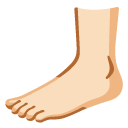


Appearance varies by platform and device. Google Noto, Twemoji, and OpenMoji are open-source.