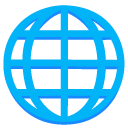
🌐
The Emoji
Globe With Meridians
U+1F310 · :globe_with_meridians:
Trend 74
Meaning layers
- interpretation
- Represents 'the internet,' going viral, world domination energy, or anything perceived as universally known or globally relevant. Also used to signal that something is 'built different' or transcends local culture.
- tiktok usage
- Dropped in captions like 'caught in 4K 🌐' or 'this is the internet 🌐' to signal something is universally embarrassing or iconic. Also used in 'main character' aesthetics.
- irony level
- 5 / 10
Platform meanings
- meaning
- Represents the internet, viral moments, or global reach. Used to signal that something has escaped its original context and reached 'the whole world.'
- trend usage
- Appears in trending audio captions, world domination aesthetics, 'NPC' content, and digital nomad creator niches. Frequently paired with montage travel videos.
- hashtags
- #worldwide#internet#globaltiktok#fyp#maincharacter
- virality score
- 72 / 100
Cultural meanings
🇺🇸
Western / Gen-Z
Gen Z in the US and Western Europe use 🌐 to signal digital nativity, internet culture fluency, and global ambition — it's shorthand for 'I exist on the internet and the internet is my world.'
🇵🇰
Pakistan & India
Widely used on social media to signal international aspirations, diaspora connections, and global career ambitions. Also common in tech startup and entrepreneurship communities in both countries.
🌍
Middle East
Used prominently in business and professional contexts to signal global reach. Also appears heavily in Arabic-language social media when discussing international news or expressing pan-global solidarity.
🌐
Global Neutral
Universally understood as 'the world' or 'the internet' with minimal cultural ambiguity — one of the most culturally portable emojis across all regions.
🇧🇩
Bangladesh
Commonly used in tech and freelancing communities to signal international clients and global connectivity. Young Bangladeshi users also use it to represent digital ambitions and overseas opportunities.
🇱🇰
Sri Lanka
Used in professional and educational contexts to signal global awareness. Also appears in diaspora communities to maintain connection with Sri Lankan identity while emphasizing international presence.
🇨🇳
China
Widely used on Weibo, WeChat, and Douyin to represent global topics, international news, and China's role on the world stage. Often appears in posts about Belt and Road Initiative or global trade.
🇯🇵
Japan
Used in tech, anime, and pop culture contexts to signal global fandoms or international reach of Japanese content. Carries a professional, neutral connotation in Japanese digital communication.
🇰🇷
South Korea
Extremely common in K-pop fan communities to signal the global reach of Korean artists. Also used by Korean tech companies and brands to express worldwide market presence.
🇹🇼
Taiwan
Used to signal international connectivity and global awareness, particularly in tech and business communities. Also appears in contexts emphasizing Taiwan's international identity and global relationships.
🇭🇰
Hong Kong
Frequently used in financial, business, and international news contexts given Hong Kong's role as a global hub. Also appears in diaspora communities to signal connection to the wider world.
🇵🇭
Philippines
Heavily used by OFW (Overseas Filipino Worker) communities and their families to represent global connection. Also common among Filipino content creators signaling international audiences.
🇮🇩
Indonesia
Popular among Indonesian tech entrepreneurs, digital creators, and students to signal global ambitions. Also appears in posts about Indonesia's role in international forums and ASEAN contexts.
🇹🇭
Thailand
Used in tourism-related content to signal Thailand's global appeal, and by Thai creators to indicate international audiences. Also common in business contexts emphasizing global trade.
🇻🇳
Vietnam
Common in startup and tech communities to signal global connectivity and ambition. Also used by Vietnamese diaspora communities to bridge local and international identities.
🇲🇾
Malaysia
Frequently used in multicultural Malaysian digital spaces to represent global outlook and international connectivity. Appears often in business, education, and diaspora community contexts.
🇸🇦
Saudi Arabia
Used in Vision 2030-adjacent content to signal global integration and modernization. Also appears in business and professional contexts emphasizing Saudi Arabia's international partnerships.
🇦🇪
UAE
Extremely common in UAE social media given Dubai's identity as a global hub. Used extensively in business, tourism, and expat community content to signal cosmopolitan culture.
🇪🇬
Egypt
Appears in contexts emphasizing Egypt's role in regional and global affairs. Also used by young Egyptians in tech and entrepreneurship communities to signal international aspirations.
🇹🇷
Turkey
Used in business and political contexts to signal Turkey's position as a bridge between East and West. Also common in Turkish influencer content targeting international audiences.
🇮🇷
Iran
Used in contexts of global communication and solidarity, often carrying additional weight given Iran's complex relationship with internet access. Iranian diaspora use it frequently to signal cross-border connection.
🇳🇬
Nigeria
Widely used in Afrobeats, fintech, and 'Naija to the world' content to signal Nigeria's growing global cultural influence. Also common in entrepreneurship communities signaling international ambition.
🇿🇦
South Africa
Used in pan-African and international business contexts. Also appears in content about South Africa's role as a gateway to Africa for global businesses and tourists.
🇬🇧
UK & Ireland
Commonly used in professional LinkedIn-style content and by media organizations to signal international coverage. In informal contexts, used ironically to mock UK political decisions that affect global standing.
🇫🇷
France
Appears in cultural diplomacy and international fashion/cuisine content. French users also use it in political commentary about France's role in global institutions.
🇩🇪
Germany
Frequently used in engineering, automotive, and tech business content to signal global exports and international partnerships. German users tend to apply it with a straightforward, non-ironic intent.
🇪🇸
Spain & Italy
Used in tourism, fashion, and food content to signal global cultural exports. Also appears in posts by young people expressing frustration with local economic conditions while aspiring to global opportunities.
🇧🇷
Brazil
Very common in Brazilian social media to signal global reach of Brazilian culture — particularly in music (funk, samba, forró), football, and carnival content going international.
🇲🇽
Mexico
Used to signal Mexican culture's global influence, especially in food, music, and art. Also appears in content about the Mexican diaspora's worldwide presence.
🌎
Latin America
Broadly used across Latin America to signal pan-regional solidarity and international ambitions. Common in tech startup communities, music export content, and diaspora communications.
🇦🇺
Australia & NZ
Used casually in travel, business, and multicultural community content. Australian and New Zealand users also use it to signal awareness of their geographical distance from global cultural centers.
How its meaning shifted
- 2010
Primarily used in a literal, functional sense to represent 'the internet' or 'the world wide web' in early social media posts and tech blogs. Limited ironic usage.
- 2015
Expanded into travel blogging, LinkedIn professional content, and early influencer culture bios. Also began appearing in political and global news commentary on Twitter.
- 2020
Surged during COVID-19 as people emphasized global connectivity despite physical isolation. Became a staple of remote work culture, digital nomad content, and pandemic-era global solidarity posts.
- 2026
Fully integrated into internet culture as a multi-layered symbol — simultaneously sincere (global brand building, international content) and ironic (meme culture shorthand for viral embarrassment or omniscient internet judgment). A cornerstone emoji of the digital-native vocabulary.
See it on every platform
Compare with
Emoji combinations
Adjacent emojis
- Often confused with
- earth globe europe africaearth globe asia australiaringed planet
Share & embed
Frequently asked
01What does the 🌐 Globe With Meridians emoji mean?
A globe showing a grid of latitude and longitude lines (meridians and parallels), representing the Earth, the internet, the world wide web, and global connectivity.
02What does 🌐 mean on TikTok?
Represents the internet, viral moments, or global reach. Used to signal that something has escaped its original context and reached 'the whole world.'
03What does 🌐 mean on WhatsApp?
Commonly used to mean 'worldwide,' 'the internet,' or as a shorthand for sending something viral — 'this is everywhere 🌐'
04What does 🌐 mean in Gen-Z slang?
Represents 'the internet,' going viral, world domination energy, or anything perceived as universally known or globally relevant. Also used to signal that something is 'built different' or transcends local culture.
05Is the 🌐 emoji safe to use?
Represents the internet, the world, global connectivity, travel, and international community — overwhelmingly positive and neutral in use.
06What does 🌐 mean in texting?
Evokes a sense of scale and possibility — psychologically linked to feelings of both empowerment (I can reach the whole world) and smallness (I am one tiny node in a vast network). Often used when someone wants to signal expansive thinking.
07What is the shortcode for 🌐?
The shortcode for Globe With Meridians is :globe_with_meridians:
08What does 🌐 mean in dating?
Rarely used as a direct flirt tool, but might appear in 'you're my whole world 🌐' as a techy-romantic gesture, especially among digitally native daters.
Safety & usage
- Safe meaning
- Represents the internet, the world, global connectivity, travel, and international community — overwhelmingly positive and neutral in use.
- Caution
- In rare cases, used in threatening contexts implying 'the whole world will see this' when combined with doxxing threats or exposure posts, amplifying harassment campaigns.
Generally safe for all audiences and contexts. Monitor when combined with callout or harassment-adjacent language, where it may be used to amplify intimidation. No inherent NSFW meaning.
How it looks across platforms


Appearance varies by platform and device. Google Noto, Twemoji, and OpenMoji are open-source.