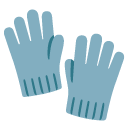
🧤
The Emoji
Gloves
U+1F9E4 · :gloves:
Trend 45
Meaning layers
- interpretation
- Used to signal someone is 'handling' a situation, implying clean getaway or no evidence left behind — as in 'no fingerprints.' Also used in sports/boxing hype contexts.
- tiktok usage
- Appears in crime aesthetic videos, 'clean girl' winter fashion hauls, and boxing/gym motivation edits. Sometimes used to say 'I came prepared' or 'handling business.'
- irony level
- 5 / 10
Platform meanings
- meaning
- Represents winter fashion, boxing culture, gym preparation, or the 'no fingerprints' meme of escaping drama cleanly.
- trend usage
- Used in POV crime aesthetic trends, winter fashion hauls, boxing hype reels, and 'I handled it' storytimes.
- hashtags
- #WinterFit#GloveUp#NoFingerprints#ColdWeatherVibes#BoxingMotivation
- virality score
- 42 / 100
Cultural meanings
🇺🇸
Western / Gen-Z
Primarily used in the 'no fingerprints' meme context or winter/boxing aesthetics; widely understood as either cold weather gear or a symbol of escaping accountability.
🇵🇰
Pakistan & India
Used seasonally during winter months in northern regions (Kashmir, Himachal, Punjab) to reference cold weather; also increasingly recognized in boxing and cricket fielding contexts.
🌍
Middle East
Less common due to warm climates but used in contexts of manual labor, construction safety, or falconry (a traditional practice requiring gloves); winter travel references also appear.
🌐
Global Neutral
Universally understood as hand protection from cold or for physical work; the safest and most culturally neutral interpretation across all regions.
🇧🇩
Bangladesh
Primarily seasonal — used during the brief but cold winter months; associated with warmth, travel to cold regions, and winter fashion for the urban middle class.
🇱🇰
Sri Lanka
Rare due to tropical climate; mostly appears in context of travel to cold countries or professional work gloves in industrial sectors.
🇨🇳
China
Common in northern regions (Beijing, Harbin) as a winter staple emoji; also used in context of labor rights discussions and manufacturing, as well as in boxing and fitness culture.
🇯🇵
Japan
Used frequently in winter fashion content (especially among younger demographics in Hokkaido and mountainous regions); also associated with precision craftsmanship and care.
🇰🇷
South Korea
Featured prominently in winter K-fashion content; associated with couple outfits in cold weather and also used in boxing/sports drama narratives.
🇹🇼
Taiwan
Used in mild winter fashion content and occasionally in outdoor activity discussions; less culturally loaded than in colder climates.
🇭🇰
Hong Kong
Appears in travel content (visiting cold countries), winter fashion hauls from Japan or Korea, and occasionally in labor-rights contexts.
🇵🇭
Philippines
Rarely used due to tropical climate; mostly appears when Filipinos travel abroad to cold countries or in boxing contexts given the nation's strong boxing culture (Manny Pacquiao legacy).
🇮🇩
Indonesia
Uncommon in daily usage due to equatorial climate; used in highland/mountain trekking contexts or when referencing cold-weather travel.
🇹🇭
Thailand
Used in cool-season travel content (Chiang Mai winter) and Muay Thai boxing contexts, where it takes on a strong sports connotation.
🇻🇳
Vietnam
Seen during the cooler northern winters (Hanoi, Sapa); also used in craft and artisan contexts representing hand-made work protection.
🇲🇾
Malaysia
Rare in everyday use due to tropical weather; most common in sports content, particularly boxing and motocross, or when referencing cold-country travel.
🇸🇦
Saudi Arabia
Used in the context of industrial/construction safety PPE, falconry traditions, and occasionally in winter travel content to Europe or North America.
🇦🇪
UAE
Associated with luxury winter travel (ski trips to Ski Dubai or abroad), falconry, and medical/professional glove usage in healthcare contexts.
🇪🇬
Egypt
Primarily used in winter months (December–February) for cold Cairo or Upper Egypt nights; also in medical and craft worker contexts.
🇹🇷
Turkey
Strongly associated with cold Anatolian winters; used in winter fashion, skiing in Uludağ/Palandöken, and sports contexts including boxing.
🇮🇷
Iran
Common winter emoji for northern and mountainous regions; associated with skiing culture (Dizin, Shemshak) and cold weather protection.
🇳🇬
Nigeria
Used mostly in upwardly mobile and diaspora contexts — referencing boxing (a popular sport), travel to cold countries, or Lagos cool-season nights that feel cold to locals.
🇿🇦
South Africa
Used in Cape Town or Highveld winter content; also appears in boxing and rugby contexts, and in mining/industrial safety discussions.
🇬🇧
UK & Ireland
Extremely common due to cold, wet climates; widely used in winter fashion, 'it's freezing' complaints, and boxing culture (strong UK boxing tradition).
🇫🇷
France
Used in winter fashion content (très chic leather gloves aesthetic), skiing in the Alps, and occasionally in fine arts contexts (craftsman's gloves).
🇩🇪
Germany
Associated with cold winters, Oktoberfest outdoor events, precision engineering/craftsmanship, and strong German boxing and combat sports culture.
🇪🇸
Spain & Italy
Used in northern regions and winter mountains (Pyrenees, Dolomites); also appears in fashion contexts (Italian leather gloves have iconic cultural cachet) and sports.
🇧🇷
Brazil
Rare due to tropical climate; appears mainly in São Paulo winter content (which locals consider cold), boxing culture references, and moto/cycling communities.
🇲🇽
Mexico
Used in highland winter content (Mexico City, Guadalajara cool seasons), boxing culture (Mexico has a legendary boxing tradition), and agricultural/labor worker contexts.
🌎
Latin America
Primarily used in highland/Andean countries (Colombia, Peru, Bolivia, Chile) for cold weather; boxing culture across Latin America gives it a sports connotation too.
🇦🇺
Australia & NZ
Used in southern winter months (June–August), skiing in the Alps (Victoria, Canterbury), and strongly in boxing/rugby sports contexts; ironic 'no fingerprints' meme usage also recognized.
How its meaning shifted
- 2010
Emoji did not exist yet; glove concepts were expressed with text descriptions or older Unicode symbols.
- 2015
Still pre-existing; glove emoji had not been introduced to Unicode. Users relied on ⛄ or text to reference cold weather gloves.
- 2020
Newly introduced (2017) and gaining traction; primarily used literally for cold weather, winter fashion, and work/boxing contexts. 'No fingerprints' meme beginning to emerge.
- 2026
Firmly established in the 'no fingerprints' / accountability-dodging meme lexicon while retaining strong literal uses in winter fashion, boxing, and safety content across platforms.
See it on every platform
Compare with
Emoji combinations
Adjacent emojis
- Often confused with
- boxing gloveraised back of handglowing star
- Can replace
- boxing glovesnowflakecoat
Share & embed
Frequently asked
01What does the 🧤 Gloves emoji mean?
A pair of gloves, typically depicted as winter or work gloves, used to cover and protect the hands from cold, dirt, or injury.
02What does 🧤 mean on TikTok?
Represents winter fashion, boxing culture, gym preparation, or the 'no fingerprints' meme of escaping drama cleanly.
03What does 🧤 mean on WhatsApp?
Signals cold weather, someone going out in winter, or working with their hands. Casually used in group chats about winter prep.
04What does 🧤 mean in Gen-Z slang?
Used to signal someone is 'handling' a situation, implying clean getaway or no evidence left behind — as in 'no fingerprints.' Also used in sports/boxing hype contexts.
05Is the 🧤 emoji safe to use?
Cold weather protection, winter fashion, boxing/sports gear, workplace safety, PPE reference.
06What does 🧤 mean in texting?
Gloves as a symbol evoke themes of control, hygiene, and boundary-setting — psychologically associated with keeping things at arm's length or protecting oneself emotionally.
07What is the shortcode for 🧤?
The shortcode for Gloves is :gloves:
08What does 🧤 mean in dating?
Rarely flirtatious, but can be used playfully as 'I'm coming in prepared' or to tease someone about being cold/distant in a cute winter context.
Safety & usage
- Safe meaning
- Cold weather protection, winter fashion, boxing/sports gear, workplace safety, PPE reference.
- Caution
- In rare contexts can be used to imply evidence tampering, avoiding accountability, or acting with calculated detachment ('clean hands' while doing something harmful).
Generally safe emoji with no widely recognized offensive usage; the 'no fingerprints' meme context is typically humorous rather than genuinely threatening. Monitor for use in contexts glorifying crime or covering up harmful actions.
How it looks across platforms


Appearance varies by platform and device. Google Noto, Twemoji, and OpenMoji are open-source.