🐝
The Emoji
Honeybee
U+1F41D · :bee:
Trend 74
Meaning layers
- interpretation
- Used as a playful term of endearment ('hey bee!'), a reference to being busy and hardworking ('busy bee energy'), or to express admiration for someone sweet and hardworking. Also used ironically to reference the Beyoncé fandom (BeyHive).
- tiktok usage
- Appears in cottagecore aesthetics, sustainability content, and as a cute reaction to sweet or hardworking behavior. Also used in 'that's so bee of you' as a compliment.
- irony level
- 3 / 10
Platform meanings
- meaning
- Symbol of cottagecore aesthetics, hard work, sweetness, and Beyoncé fandom. Used in nature and sustainability content as well as cute compliment videos.
- trend usage
- Trending in #cottagecore, #beekeeper, and Beyoncé tribute videos. Used in 'busy bee' productivity TikToks and honey aesthetic content.
- hashtags
- #cottagecore#savethebees#beyhive#busybee#honeyaesthetic
- virality score
- 72 / 100
Cultural meanings
🇺🇸
Western / Gen-Z
Used as a sweet term of endearment and cottagecore aesthetic symbol; also deeply tied to Beyoncé's BeyHive fandom as an identity marker.
🇵🇰
Pakistan & India
Generally understood as the bee insect in nature contexts; used in honey brand messaging, agricultural content, and occasionally as a cute term of affection in urban digital culture.
🌍
Middle East
Associated with honey (عسل), which holds significant cultural and Quranic value; the bee emoji is used positively in health, food, and nature content across the region.
🌐
Global Neutral
Universally understood as the honeybee insect, representing nature, hard work, honey, and pollination without significant regional misinterpretation.
🇧🇩
Bangladesh
Used in agricultural and nature contexts; honey bees are economically significant, so the emoji appears in farming, apiary, and organic food content.
🇱🇰
Sri Lanka
Associated with Kandyan honey traditions and nature; used in local organic product marketing and environmental awareness campaigns.
🇨🇳
China
The bee (蜜蜂) symbolizes industry and collective effort in Chinese culture; used in motivational content, honey product marketing, and children's educational media.
🇯🇵
Japan
Bees (ミツバチ) are associated with diligence and sweetness in Japanese culture; the emoji appears in kawaii content, honey product ads, and seasonal spring/summer posts.
🇰🇷
South Korea
Used in cute (귀여운) aesthetic content and honey-related food posts; also tied to the Korean word for honey (꿀) which is slang for something amazing or easy.
🇹🇼
Taiwan
Commonly used in organic food, beekeeping hobby groups, and nature appreciation content; also appears in spring aesthetic social posts.
🇭🇰
Hong Kong
Used in food and lifestyle content related to honey products; occasionally appears in English-language social media in cottagecore aesthetic contexts.
🇵🇭
Philippines
Associated with nature and sweetness; used in organic honey product posts and environmental education content about pollinator conservation.
🇮🇩
Indonesia
Connected to local honey industries and herbal medicine (madu); used in organic food marketing and agricultural social media content.
🇹🇭
Thailand
Associated with honey (น้ำผึ้ง) and natural wellness products; used in health and beauty content, especially royal jelly and honey skincare marketing.
🇻🇳
Vietnam
Used in agricultural and honey production contexts; Vietnamese honey industry content frequently uses the emoji alongside natural product branding.
🇲🇾
Malaysia
Common in organic food and nature content; also used in cute social media messaging as a term of affection, blending Malay and English digital slang.
🇸🇦
Saudi Arabia
Honey holds immense cultural and Islamic significance (mentioned in the Quran); the bee emoji is used respectfully in health, food, and religious wellness contexts.
🇦🇪
UAE
Used in luxury honey product marketing (Sidr honey is prized), wellness content, and expat-driven cottagecore aesthetic posts on Instagram.
🇪🇬
Egypt
Associated with ancient Egyptian beekeeping heritage and natural honey; used in organic food, tourism, and heritage cultural content.
🇹🇷
Turkey
Turkey is a major honey producer; the bee emoji is widely used in food, nature, and artisanal product content, particularly for Anatolian honey brands.
🇮🇷
Iran
Associated with honey (عسل) and traditional medicine (طب سنتی); used in health and wellness content, herbal remedy posts, and natural food marketing.
🇳🇬
Nigeria
Used in nature and agriculture content; also appears in entrepreneurial hustle culture posts where 'worker bee' energy represents ambition and productivity.
🇿🇦
South Africa
Associated with local fynbos honey and nature conservation; used in environmental content and artisanal honey brand marketing.
🇬🇧
UK & Ireland
Strong association with 'buzzing' slang (excited/happy) in British/Irish youth culture; the bee is also the symbol of Manchester, giving it civic pride meaning.
🇫🇷
France
France has strong beekeeping (apiculture) traditions; the bee emoji is used in artisanal food, rural lifestyle, and environmental content with cultural reverence.
🇩🇪
Germany
Associated with environmental protection (Bienenschutz) and organic farming; heavily used in sustainability, eco-activism, and organic product content.
🇪🇸
Spain & Italy
Used in Mediterranean food culture contexts (honey, flowers, agriculture); also appears in romantic and sweet affectionate messaging as a term of endearment.
🇧🇷
Brazil
Associated with the important role of bees in Brazilian agriculture and the Amazon ecosystem; used in environmental activism and honey product content.
🇲🇽
Mexico
Connected to Mayan stingless bee traditions (Melipona); used in indigenous craft, honey product, and environmental conservation content.
🌎
Latin America
Generally associated with nature, hard work, and sweetness; used in agricultural content, motivational posts, and as a soft term of affection across the region.
🇦🇺
Australia & NZ
Associated with native bee conservation and local honey industries; used in environmental campaigns, artisanal food content, and cottagecore aesthetics.
How its meaning shifted
- 2010
Primarily used literally to represent bees in nature, gardening, and honey-related conversations. Limited expressive use.
- 2015
Began appearing in Beyoncé fan content (BeyHive) following the Lemonade era buildup; also used in early cottagecore-adjacent aesthetic posts.
- 2020
Surged in use during the cottagecore trend explosion on TikTok and Instagram; deeply embedded in sustainability discourse and 'save the bees' environmental activism.
- 2026
Multifunctional emoji used across cottagecore aesthetics, BeyHive fandom, productivity culture, sweet affectionate messaging, and environmental content — one of the more culturally versatile nature emojis.
See it on every platform
Compare with
Emoji combinations
Adjacent emojis
Share & embed
Frequently asked
01What does the 🐝 Honeybee emoji mean?
The honeybee emoji depicts a yellow-and-black striped bee, often shown with wings and a stinger, representing the insect known for producing honey and pollinating flowers.
02What does 🐝 mean on TikTok?
Symbol of cottagecore aesthetics, hard work, sweetness, and Beyoncé fandom. Used in nature and sustainability content as well as cute compliment videos.
03What does 🐝 mean on WhatsApp?
Affectionate nickname signal — 'hey 🐝' means 'hey sweetie/babe'. Also used to say someone is busy or hard at work.
04What does 🐝 mean in Gen-Z slang?
Used as a playful term of endearment ('hey bee!'), a reference to being busy and hardworking ('busy bee energy'), or to express admiration for someone sweet and hardworking. Also used ironically to reference the Beyoncé fandom (BeyHive).
05Is the 🐝 emoji safe to use?
Represents nature, sweetness, hard work, pollination, honey, and environmental care. Also used as a term of affection and fandom identity.
06What does 🐝 mean in texting?
The bee evokes feelings of community, productivity, and natural harmony. Psychologically linked to concepts of hard work and collective effort, it often conveys a nurturing or motivational emotional tone.
07What is the shortcode for 🐝?
The shortcode for Honeybee is :bee:
08What does 🐝 mean in dating?
Sent as a soft, sweet flirtation — calling someone 'my bee' implies they are sweet and you want them close. Often paired with 🍯 for extra flirty context.
Safety & usage
- Safe meaning
- Represents nature, sweetness, hard work, pollination, honey, and environmental care. Also used as a term of affection and fandom identity.
- Caution
- Rarely used in toxic contexts, but can be deployed in BeyHive harassment (swarming critics online). Also used sarcastically to dismiss someone as a busybody.
Generally safe. Minimal misuse potential. The BeyHive fandom association can occasionally be linked to coordinated online pile-ons, but the emoji itself is not a red flag.
How it looks across platforms
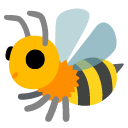


Appearance varies by platform and device. Google Noto, Twemoji, and OpenMoji are open-source.