👩🏼❤️💋👩🏿
The Emoji
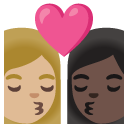
Kiss: Woman, Woman, Medium-light Skin Tone, Dark Skin Tone
U+1F469 U+1F3FC U+200D U+2764 U+FE0F U+200D U+1F48B U+200D U+1F469 U+1F3FF · :kiss_woman_woman_mediumlight_skin_tone_dark_skin_tone:
Trend 68
Meaning layers
- interpretation
- Used to express queer love, WLW (women loving women) pride, interracial relationship celebration, or deep affection between two female-presenting people. Often used unapologetically as a statement of identity and love.
- tiktok usage
- Appears in WLW content, sapphic aesthetic videos, pride month compilations, and 'soft girl' couple content celebrating diverse love.
- irony level
- 1 / 10
Platform meanings
- meaning
- Represents WLW romance, sapphic identity, and interracial queer love; a staple in queer TikTok communities.
- trend usage
- Featured in 'couple reveal' videos, pride month trends, and sapphic aesthetic slideshows with Lo-fi or indie music.
- hashtags
- #WLW#SapphicTikTok#QueerCouple#PrideMonth#BlackAndBeige
- virality score
- 72 / 100
Cultural meanings
🇺🇸
Western / Gen-Z
Widely embraced as a symbol of WLW pride, intersectional love, and queer visibility — used freely and proudly on all platforms.
🇵🇰
Pakistan & India
Highly sensitive due to social stigma around same-sex relationships; rarely used publicly though quietly circulated in underground LGBTQ+ communities.
🌍
Middle East
Considered taboo or offensive in most contexts given legal and social prohibitions on same-sex relationships across the region.
🌐
Global Neutral
Recognized as a same-sex couple kiss emoji globally; interpretation ranges from celebratory to controversial depending on local norms.
🇧🇩
Bangladesh
Very rarely used due to strong social and religious conservatism around LGBTQ+ relationships; primarily known in urban digital activist circles.
🇱🇰
Sri Lanka
Limited use; same-sex relationships face legal restrictions, though urban youth may use it in private or activist digital spaces.
🇨🇳
China
Usage is restricted due to platform censorship and social conservatism; may be used discreetly by queer communities on less-monitored platforms.
🇯🇵
Japan
Used in yuri (girls' love) fandom and queer communities; more accepted in subculture spaces though mainstream visibility is still limited.
🇰🇷
South Korea
Gaining traction in queer K-pop fan communities and LGBTQ+ activist spaces, though mainstream reception remains mixed due to conservative cultural attitudes.
🇹🇼
Taiwan
Widely accepted and celebrated given Taiwan's progressive LGBTQ+ legal landscape; used openly in pride and relationship content.
🇭🇰
Hong Kong
Used in LGBTQ+ communities and pride spaces; growing visibility despite political restrictions on public discourse.
🇵🇭
Philippines
Used in queer Filipino communities, particularly online; cultural catholicism creates tension but urban youth are relatively accepting.
🇮🇩
Indonesia
Rarely used publicly due to strong religious and social opposition to same-sex relationships; limited to private LGBTQ+ digital spaces.
🇹🇭
Thailand
Fairly accepted given Thailand's relatively open culture toward gender and sexuality; used in queer media and social content.
🇻🇳
Vietnam
Mixed reception — same-sex marriage is not legally recognized but social attitudes are shifting; used mainly in urban youth and activist communities.
🇲🇾
Malaysia
Very sensitive due to religious laws; primarily used by queer Malaysians in diaspora or anonymous online spaces.
🇸🇦
Saudi Arabia
Considered highly offensive and forbidden under law; virtually no public use.
🇦🇪
UAE
Extremely sensitive; same-sex relationships are criminalized, making any public use of this emoji very rare.
🇪🇬
Egypt
Used only in underground or diaspora queer communities due to severe social and legal restrictions on LGBTQ+ expression.
🇹🇷
Turkey
Increasingly sensitive given political climate; used by queer activists and community members despite growing social pushback.
🇮🇷
Iran
Virtually unused publicly due to criminalization of same-sex relationships; may appear in diaspora communities abroad.
🇳🇬
Nigeria
Highly sensitive given strong religious, cultural, and legal opposition to same-sex relationships; used only in diaspora or anonymous activist spaces.
🇿🇦
South Africa
More openly used than most African nations given constitutional protections for LGBTQ+ rights; visible in Cape Town's active queer community.
🇬🇧
UK & Ireland
Widely accepted and used freely; strong LGBTQ+ communities in both countries celebrate this emoji as a marker of pride and love.
🇫🇷
France
Used comfortably in queer and ally communities; France's secular tradition supports visible LGBTQ+ expression.
🇩🇪
Germany
Accepted and used openly; Germany has a strong LGBTQ+ rights tradition and active queer culture in cities like Berlin.
🇪🇸
Spain & Italy
Spain embraces it widely given its progressive LGBTQ+ laws; Italy is more conservative but urban queer communities use it actively.
🇧🇷
Brazil
Used enthusiastically in Brazil's vibrant LGBTQ+ community, one of the largest Pride communities in the world despite political tensions.
🇲🇽
Mexico
Used in urban LGBTQ+ spaces and increasingly visible among younger generations in cities like Mexico City.
🌎
Latin America
Adoption varies — progressive urban communities use it openly while rural and conservative regions may view it negatively.
🇦🇺
Australia & NZ
Freely and widely used in both countries' accepting LGBTQ+ climates; common in pride content and everyday couple expression.
How its meaning shifted
- 2010
This specific emoji did not exist yet; same-sex couple emojis and skin tone modifiers were not yet part of Unicode.
- 2015
Early versions of couple emojis were introduced but skin tone diversity for multi-person emojis was still limited; WLW representation was minimal.
- 2020
Emoji became more widely available as platforms adopted diverse skin tone combinations; usage grew significantly during COVID lockdowns and the Black Lives Matter movement, which amplified intersectional representation conversations.
- 2026
Normalized and actively used across LGBTQ+ communities globally; integrated into mainstream couple expression in progressive regions and remains a powerful identity symbol in more restrictive contexts.
See it on every platform
Adjacent emojis
- Often confused with
- kiss markwoman kiss man medium light darkpeople hugging
- Can replace
- two heartsrainbow flagred heart
Share & embed
Frequently asked
01What does the 👩🏼❤️💋👩🏿 Kiss: Woman, Woman, Medium-light Skin Tone, Dark Skin Tone emoji mean?
A kiss emoji depicting two women with medium-light and dark skin tones, shown with a heart and kiss mark between them, representing a romantic or affectionate kiss between two women of different skin tones.
02What does 👩🏼❤️💋👩🏿 mean on TikTok?
Represents WLW romance, sapphic identity, and interracial queer love; a staple in queer TikTok communities.
03What does 👩🏼❤️💋👩🏿 mean on WhatsApp?
Sent between female partners to express romantic affection or a virtual kiss, especially in long-distance relationships.
04What does 👩🏼❤️💋👩🏿 mean in Gen-Z slang?
Used to express queer love, WLW (women loving women) pride, interracial relationship celebration, or deep affection between two female-presenting people. Often used unapologetically as a statement of identity and love.
05Is the 👩🏼❤️💋👩🏿 emoji safe to use?
A celebration of same-sex female love and interracial relationships; a positive symbol of LGBTQ+ visibility and pride.
06What does 👩🏼❤️💋👩🏿 mean in texting?
This emoji carries layered emotional weight — it signals not just romantic love but also identity affirmation, visibility, and social courage, especially in contexts where same-sex relationships are stigmatized.
07What is the shortcode for 👩🏼❤️💋👩🏿?
The shortcode for Kiss: Woman, Woman, Medium-light Skin Tone, Dark Skin Tone is :kiss_woman_woman_mediumlight_skin_tone_dark_skin_tone:
08What does 👩🏼❤️💋👩🏿 mean in dating?
Used between women who are romantically interested in each other, or as a flirtatious signal in WLW dating spaces like HER app or queer Instagram communities.
Safety & usage
- Safe meaning
- A celebration of same-sex female love and interracial relationships; a positive symbol of LGBTQ+ visibility and pride.
- Caution
- Could be used to mock or fetishize WLW relationships, or weaponized in anti-LGBTQ+ contexts as a provocation in regions where such relationships are criminalized.
Sensitive in countries where same-sex relationships are illegal or heavily stigmatized; users in such regions should exercise caution when using this emoji publicly.
How it looks across platforms
Appearance varies by platform and device. Google Noto, Twemoji, and OpenMoji are open-source.