The Emoji
Leafless Tree
U+1FABE · :leafless_tree:
Trend 34
Meaning layers
- interpretation
- Used to express feeling empty, burnt out, stripped down, or emotionally bare — like there's nothing left to give. Also used aesthetically for that dark, moody, gothic vibe.
- tiktok usage
- Appears in 'I have nothing left' montages, sad aesthetic edits, winter mood checks, and existential crisis content.
- irony level
- 5 / 10
Platform meanings
- meaning
- Symbol of emotional depletion, winter sadness, or bare aesthetic energy. Used in storytelling about loss, burnout, or personal rock bottom.
- trend usage
- Featured in NPC-style sad edits, 'things that drain me' videos, winter aesthetic slideshows, and 'year in review' burnout content.
- hashtags
- #winteraesthetic#emptiness#burnout#sadtok#leaflesstree
- virality score
- 38 / 100
Cultural meanings
🇺🇸
Western / Gen-Z
Widely adopted as a symbol of burnout, emotional emptiness, and the 'nothing left in me' feeling — deeply embedded in sad aesthetic and dark humor culture.
🇵🇰
Pakistan & India
Used to express loneliness, emotional barrenness, or the harsh reality of hardship; also used literally for winter or autumn season posts.
🌍
Middle East
Can symbolize barrenness of the desert landscape or spiritual desolation; used in poetic contexts referencing loss or solitude.
🌐
Global Neutral
Universally understood as representing a bare or dormant tree, often used in nature, seasonal, or metaphorical emotional contexts.
🇧🇩
Bangladesh
Used to convey sadness or life stripped of comfort; also used literally in seasonal and nature content during cooler months.
🇱🇰
Sri Lanka
Less common but appears in posts about drought, environmental concern, or deforestation as a symbol of lost greenery.
🇨🇳
China
Associated with autumn/winter imagery and concepts of impermanence from Taoist or Buddhist philosophy; used in reflective or poetic posts.
🇯🇵
Japan
Deeply resonant — the bare tree (枯れ木) is a classic wabi-sabi symbol of quiet beauty in desolation; used in aesthetic and contemplative content.
🇰🇷
South Korea
Popular in dark aesthetic content and emotional K-indie communities; used in posts about loneliness, the passage of time, or winter vibes.
🇹🇼
Taiwan
Used in nature photography, poetic captions, and emotional reflection posts about transitions or seasonal moods.
🇭🇰
Hong Kong
Appears in urban nature photography and melancholic social media posts, often paired with reflections on rapid change or loss.
🇵🇭
Philippines
Less commonly used due to tropical climate, but employed symbolically to express emotional emptiness or unusual cold-weather novelty.
🇮🇩
Indonesia
Used metaphorically in emotional posts about feeling stripped bare; also literal in posts about dry season or deforested landscapes.
🇹🇭
Thailand
Appears in nature and travel content or symbolically in posts about loss, emptiness, or dry season landscapes.
🇻🇳
Vietnam
Used in artistic and poetic social media posts to evoke loneliness, the changing seasons, or a stripped-down emotional state.
🇲🇾
Malaysia
Employed in reflective posts about personal hardship or environmental issues like deforestation; rarely literal due to tropical climate.
🇸🇦
Saudi Arabia
May symbolize the harshness of desert landscapes or emotional austerity; used in poetic or philosophical social media content.
🇦🇪
UAE
Used in expat communities for nostalgia about home seasons; also in aesthetic photography and reflective posts about transience.
🇪🇬
Egypt
Symbolizes barrenness, difficult times, or the absence of flourishing; used in emotional or poetic digital expressions.
🇹🇷
Turkey
Common in autumn/winter social media content and deeply resonant in Turkish poetic tradition as a symbol of melancholy and solitude.
🇮🇷
Iran
Strongly tied to Persian poetic tradition — bare trees appear frequently in classical poetry (شعر) symbolizing longing and grief; digitally echoes this cultural heritage.
🇳🇬
Nigeria
Used sparingly but symbolically in posts about hardship, community loss, or environmental degradation like desertification.
🇿🇦
South Africa
Used in nature photography content and metaphorically in posts about periods of personal or societal difficulty.
🇬🇧
UK & Ireland
Very relatable for grey autumn/winter moods; heavily used in sad relatable content, dark humor, and moody British/Irish weather commentary.
🇫🇷
France
Used in philosophical and artistic contexts, evoking existentialist themes of barrenness and introspection, fitting French cultural aesthetics.
🇩🇪
Germany
Associated with Herbst (autumn) melancholy and Weltschmerz; used in reflective or philosophical social media posts about emptiness.
🇪🇸
Spain & Italy
Used aesthetically in nature content and metaphorically in emotional posts; resonates with southern European dramatic emotional expression.
🇧🇷
Brazil
Less literal due to climate but used in sad aesthetic content, existential posts, and metaphors about feeling drained or bare.
🇲🇽
Mexico
Appears in Day of the Dead adjacent aesthetic content and emotional posts about loss; also used for gothic and dark visual aesthetics.
🌎
Latin America
Used across Latin America in emotional, melancholic, or artistic content as a symbol of emptiness, transition, or environmental loss.
🇦🇺
Australia & NZ
Used in winter nature photography (May–August), bushfire aftermath imagery, and relatable dry/cold season mood content.
How its meaning shifted
- 2010
Not yet introduced as an emoji; bare tree concepts were described with text or represented by 🌲 with caveats.
- 2015
Still not available; users made do with autumn leaf emojis or combinations to suggest barren trees.
- 2020
Recently introduced or under consideration; began appearing in niche aesthetic and nature communities as an underused gem.
- 2026
Firmly established in sad aesthetic, burnout culture, dark academia, and winter mood content across all major platforms.
See it on every platform
Compare with
Adjacent emojis
- Often confused with
- deciduous treepalm treechristmas tree
- Can replace
- wilted flowerfallen leafsnowflake
Share & embed
Frequently asked
01What does the Leafless Tree emoji mean?
A bare, leafless tree with visible branches and no foliage, representing dormancy, winter, or the end of a growth cycle.
02What does mean on TikTok?
Symbol of emotional depletion, winter sadness, or bare aesthetic energy. Used in storytelling about loss, burnout, or personal rock bottom.
03What does mean on WhatsApp?
Sent to express feeling emotionally empty, drained, or that a situation has left someone with nothing.
04What does mean in Gen-Z slang?
Used to express feeling empty, burnt out, stripped down, or emotionally bare — like there's nothing left to give. Also used aesthetically for that dark, moody, gothic vibe.
05Is the emoji safe to use?
A nature emoji representing a bare winter or dormant tree; used for seasonal, aesthetic, and emotional expression.
06What does mean in texting?
The leafless tree psychologically evokes themes of dormancy and waiting — it can represent depression, grief, or a phase of life stripped of joy, but also the hope of eventual regrowth. It resonates with people processing loss or transition.
07What is the shortcode for ?
The shortcode for Leafless Tree is :leafless_tree:
08What does mean in dating?
Rarely used flirtatiously; might be sent to signal emotional unavailability or that someone is 'not in bloom right now.'
Safety & usage
- Safe meaning
- A nature emoji representing a bare winter or dormant tree; used for seasonal, aesthetic, and emotional expression.
- Caution
- Can be used in targeted harassment to tell someone they have 'nothing left' or to mock someone's emotional depletion.
May appear in mental health contexts around depression or suicidal ideation as a symbol of feeling completely empty — use with sensitivity in support communities.
How it looks across platforms
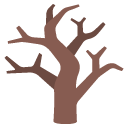

Appearance varies by platform and device. Google Noto, Twemoji, and OpenMoji are open-source.