🦵🏽
The Emoji
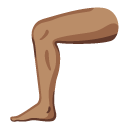
Leg: Medium Skin Tone
U+1F9B5 U+1F3FD · :leg_medium_skin_tone:
Trend 58
Meaning layers
- interpretation
- Used to hype up someone's legs, reference 'leg day' at the gym, or sarcastically comment on skipping leg day. Also used in 'run' or 'get out' contexts.
- tiktok usage
- Appears in gym transformation videos, dance content highlighting leg moves, and self-deprecating humor about skipping leg day workouts.
- irony level
- 5 / 10
Platform meanings
- meaning
- Represents leg workouts, dance moves, body confidence, or the classic gym humor around leg day avoidance.
- trend usage
- Paired with gym transformation videos, 'leg day check' trends, and dancing reels showcasing footwork.
- hashtags
- #legday#legworkout#gymmotivation#noskiplegday#dancemoves
- virality score
- 62 / 100
Cultural meanings
🇺🇸
Western / Gen-Z
Primarily used in gym/fitness humor ('never skip leg day') and dance contexts; also flirtatiously in compliment culture on social media.
🇵🇰
Pakistan & India
Used literally to discuss leg injuries, physical health, or walking/running. Also appears in cricket and sports fan discussions about players' physical form.
🌍
Middle East
Interpreted literally for health and medical contexts; used in sports discussions. Modesty culture means it's rarely used flirtatiously in public social spaces.
🌐
Global Neutral
Universally understood as a reference to the human leg — used for health, fitness, mobility, and sports contexts without significant cultural distortion.
🇧🇩
Bangladesh
Used in health-related chats, discussions about physical labor or walking distances, and sports commentary. Minimal meme usage.
🇱🇰
Sri Lanka
Appears in health and injury conversations; also used in cricket fan culture when discussing players' physical condition or performance.
🇨🇳
China
Used in fitness content on Weibo and Douyin, particularly in gym culture that has grown significantly among younger Chinese users. Also used in health discussions.
🇯🇵
Japan
Associated with fitness culture (ジム/gym trends) and idol dance content on social platforms. Used in health discussions and anime/character art references to leg aesthetics.
🇰🇷
South Korea
Heavily used in K-pop dance content and idol fitness culture. Also appears in beauty and body-standard discussions, sometimes with complex connotations around appearance.
🇹🇼
Taiwan
Used in fitness and dance content; also appears in health discussions. Taiwanese social media users often pair it with gym or outdoor activity content.
🇭🇰
Hong Kong
Used in urban fitness contexts, hiking culture posts, and sports discussions. Also appears humorously in 'running away from problems' meme formats.
🇵🇭
Philippines
Used in fitness posts, dance culture (OPM/K-pop cover dances), and casual health conversations. Filipinos also use it humorously in 'tara, takbo' (let's run) contexts.
🇮🇩
Indonesia
Appears in fitness content, badminton and sports fan discussions, and health conversations. Also used in casual meme formats among younger users.
🇹🇭
Thailand
Used in Muay Thai and martial arts contexts, fitness content, and general health discussions. Occasionally appears in beauty and body-image conversations.
🇻🇳
Vietnam
Used in fitness and health contexts; also appears in sports discussions, particularly around football (soccer) and badminton. Younger users deploy it in gym meme culture.
🇲🇾
Malaysia
Used in fitness posts, sports commentary (especially badminton), and health discussions. Malaysian users also use it in humorous 'need to run' social contexts.
🇸🇦
Saudi Arabia
Interpreted conservatively and literally — used in medical, health, and sports contexts. Gym culture among Saudi youth means it appears in male-oriented fitness content.
🇦🇪
UAE
Used in cosmopolitan fitness and wellness content popular in Dubai/Abu Dhabi social media culture. Also appears in sports and luxury active lifestyle branding.
🇪🇬
Egypt
Used in football (soccer) discussions referencing players' physical condition, and in general health conversations. Younger Egyptians also use it in meme culture.
🇹🇷
Turkey
Appears in fitness content, football fan discussions, and health conversations. Turkish users sometimes use it in humorous 'escape' or 'running away' contexts.
🇮🇷
Iran
Used in sports discussions, health contexts, and fitness content. Given social media restrictions, usage is relatively literal and confined to health or sports topics.
🇳🇬
Nigeria
Used in football discussions, fitness culture, and health contexts. Nigerian social media users also deploy it in Afrobeats dance content and energetic 'leg work' references.
🇿🇦
South Africa
Used in rugby and football contexts, fitness posts, and health discussions. Appears in outdoor and adventure lifestyle content popular in South African social media.
🇬🇧
UK & Ireland
Used in gym humor, football commentary, and casual banter. British users often deploy it sarcastically — 'time to leg it' meaning to run or escape quickly.
🇫🇷
France
Used in fitness, football (particularly in Ligue 1 discussions), and health contexts. French users may also reference it in dance or aesthetic body-positive content.
🇩🇪
Germany
Appears in fitness, football (Bundesliga), and health discussions. Germans also use it in outdoor activity contexts like hiking and cycling culture.
🇪🇸
Spain & Italy
Used heavily in football culture referencing players' speed and physicality. Also appears in beach/summer content and fitness posts across Spain and Italy.
🇧🇷
Brazil
Used in football, Carnival dance content, capoeira references, and beach culture. Brazilian social media users frequently pair it with dance and athletic content.
🇲🇽
Mexico
Appears in football commentary, fitness content, and dance culture posts. Mexican users also use it in humorous 'running away' formats in meme culture.
🌎
Latin America
Broadly used across Latin America in football, dance, fitness, and health contexts. Also deployed humorously in escape/running meme formats popular across the region.
🇦🇺
Australia & NZ
Used in fitness, surfing/outdoor lifestyle, and sports content (AFL, rugby, cricket). Australians and Kiwis also use it casually in banter about leg workouts or physical endurance.
How its meaning shifted
- 2010
The leg emoji did not exist yet; legs were referenced using generic body or person emojis. No specific cultural or meme usage.
- 2015
Still pre-release; body part emojis were limited. 'Leg day' meme culture was rising on the internet but without a dedicated emoji.
- 2020
Newly introduced (2018), the leg emoji was gaining traction in fitness communities, gym culture memes, and body-positive social movements. Skin tone variants increased inclusivity.
- 2026
Firmly embedded in fitness culture, dance content, and gym meme lexicon. Frequently used on TikTok and Instagram in workout content, body confidence posts, and as ironic commentary about sedentary lifestyles.
See it on every platform
Adjacent emojis
- Often confused with
- footkick emojiperson in lotus position
- Can replace
- flexed bicepsperson runningfootprints
Share & embed
Frequently asked
01What does the 🦵🏽 Leg: Medium Skin Tone emoji mean?
A human leg shown from hip to foot, displayed with a medium skin tone modifier. Represents the lower limb of the human body.
02What does 🦵🏽 mean on TikTok?
Represents leg workouts, dance moves, body confidence, or the classic gym humor around leg day avoidance.
03What does 🦵🏽 mean on WhatsApp?
Casually references legs in conversation — could mean going for a walk, injury, or a compliment on appearance.
04What does 🦵🏽 mean in Gen-Z slang?
Used to hype up someone's legs, reference 'leg day' at the gym, or sarcastically comment on skipping leg day. Also used in 'run' or 'get out' contexts.
05Is the 🦵🏽 emoji safe to use?
Body part reference used in fitness, health, dance, and sports contexts. Generally safe and neutral.
06What does 🦵🏽 mean in texting?
Represents physical self-expression and body autonomy. In fitness contexts it signals pride and discipline; in meme contexts it can signal self-deprecation or humor about physical appearance.
07What is the shortcode for 🦵🏽?
The shortcode for Leg: Medium Skin Tone is :leg_medium_skin_tone:
08What does 🦵🏽 mean in dating?
Used flirtatiously to compliment someone's legs in a direct or cheeky manner, especially in response to photos.
Safety & usage
- Safe meaning
- Body part reference used in fitness, health, dance, and sports contexts. Generally safe and neutral.
- Caution
- Can be used in body-shaming contexts or unsolicited physical commentary on someone's appearance.
Rarely problematic, but could be used inappropriately in sexual harassment contexts if paired with suggestive messaging. Monitor in DM contexts.
How it looks across platforms


Appearance varies by platform and device. Google Noto, Twemoji, and OpenMoji are open-source.