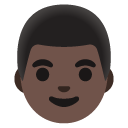
👨🏿
The Emoji
Man: Dark Skin Tone
U+1F468 U+1F3FF · :man_dark_skin_tone:
Trend 48
Meaning layers
- interpretation
- Used to self-represent by dark-skinned male users, to reference a specific person in conversation, or to celebrate Black/dark-skinned masculinity. Also used in meme contexts to represent 'that one guy' in a relatable scenario.
- tiktok usage
- Appears in comment sections to tag or reference a dark-skinned male friend, in duet captions, or alongside trend videos celebrating Black men. Sometimes placed at the start of a sentence to signal 'speaking as a Black man' or 'this guy right here.'
- irony level
- 2 / 10
Platform meanings
- meaning
- Self-identification, reference to a dark-skinned male figure, or used in emoji storytelling in video captions and comments.
- trend usage
- Appears in 'Black men be like' trend videos, duet captions, Black Excellence content, and combo emoji trends where users string emoji together to narrate a scenario.
- hashtags
- #BlackMen#DarkSkinMen#BlackExcellence#RepresentationMatters#BlackTikTok
- virality score
- 52 / 100
Cultural meanings
🇺🇸
Western / Gen-Z
Widely used for self-representation and to affirm Black masculinity; a normalized part of diverse emoji vocabulary that signals cultural competence when used correctly by allies.
🇵🇰
Pakistan & India
Less commonly used for cultural self-identification; may be used to represent South Asian men with darker complexions, though lighter skin tone variants are statistically more common in these regions.
🌍
Middle East
Used by darker-complexioned men from Gulf, Levant, or North African backgrounds for self-representation; also appears in contexts referencing African migrant workers, sometimes carrying complex social dynamics.
🌐
Global Neutral
Universally understood as a representation of a dark-skinned adult male human; functions as a straightforward pictographic identifier across platforms.
🇧🇩
Bangladesh
Occasionally used by Bangladeshi men with darker complexions for self-representation; generally secondary to the default yellow or lighter-toned variants in everyday use.
🇱🇰
Sri Lanka
Used by Sri Lankan men of darker skin tones, particularly in diaspora communities online, as a self-affirming identifier in digital communication.
🇨🇳
China
Primarily understood as a representation of a foreign (African or African-American) male; usage often tied to international sports content or discussions of diversity, with varying levels of cultural sensitivity.
🇯🇵
Japan
Viewed as representing an African or African-American man; appears in contexts discussing diversity, international culture, or when referencing Black athletes and musicians popular in Japan.
🇰🇷
South Korea
Associated with African-American culture and K-pop/hip-hop crossover content; used in comments and posts celebrating Black artists or athletes beloved in South Korean pop culture.
🇹🇼
Taiwan
Understood as representing a man of African descent; used in multicultural contexts and in discussions about diversity in media and society.
🇭🇰
Hong Kong
Used in contexts related to international diversity, African or African-American culture, and occasionally in discussions about the South Asian or African communities living in Hong Kong.
🇵🇭
Philippines
Used to represent Black or dark-skinned men, particularly in the context of admired African-American celebrities, athletes, or in discussions about colorism within Filipino culture.
🇮🇩
Indonesia
Appears in discussions about Black international celebrities and athletes; also used by Melanesian or darker-complexioned Indonesian individuals for self-representation.
🇹🇭
Thailand
Associated primarily with African or African-American men in Thai social media contexts; appears in content about international music, sports, and culture.
🇻🇳
Vietnam
Used to represent Black or dark-skinned male celebrities and athletes popular in Vietnamese pop culture; self-identification usage is rare but growing in urban youth communities.
🇲🇾
Malaysia
Used to represent men of African or South Asian descent in multicultural Malaysia; also used by darker-skinned Malaysian individuals as a self-identifier.
🇸🇦
Saudi Arabia
Represents darker-complexioned men, including African and South Asian expatriate communities; social sensitivity around colorism means its usage can carry layered implications.
🇦🇪
UAE
In the UAE's highly multicultural environment, this emoji represents one of many nationalities and backgrounds; used positively in diversity and inclusion content.
🇪🇬
Egypt
Used to represent Sub-Saharan African men or Nubian Egyptian men; colorism discussions in Egypt sometimes give this emoji additional cultural weight.
🇹🇷
Turkey
Associated with African-American cultural exports like hip-hop and basketball; used in fan content and increasingly by Afro-Turkish and darker-skinned Turkish individuals for self-identification.
🇮🇷
Iran
Primarily understood as representing a man of African descent; appears in contexts related to international sports and music rather than domestic identity.
🇳🇬
Nigeria
Widely used for self-representation by Nigerian men and as a symbol of Black pride; deeply embraced as an affirmative emoji in one of Africa's largest digital user bases.
🇿🇦
South Africa
Strongly embraced for self-representation by Black South African men; used in contexts celebrating Black South African identity, culture, and achievement post-apartheid.
🇬🇧
UK & Ireland
Used by British and Irish Black men for self-representation; also appears in conversations about racial identity, diversity in football (soccer), and Black British culture.
🇫🇷
France
Used by Afro-French and Black French communities for self-representation; appears in conversations about race, identity, and representation in French society and sport.
🇩🇪
Germany
Used in diversity and inclusion contexts, by Afro-German individuals for self-identification, and in discussions about representation in German media and sports.
🇪🇸
Spain & Italy
Associated with African immigrant communities and Black athletes prominent in football; used by Afro-Spanish and Afro-Italian individuals for self-representation online.
🇧🇷
Brazil
Widely used by Black Brazilian (Afro-Brasileiro) men for self-representation; connected to Afro-Brazilian cultural movements, Black consciousness month (Novembro Negro), and celebrations of African heritage.
🇲🇽
Mexico
Used primarily to represent Black or Afro-Mexican (Afromexicano) identity, a growing area of cultural recognition; also associated with African-American cultural influences.
🌎
Latin America
Used across Latin America to represent Afro-Latino men and to celebrate Black identity within the diverse racial landscape of the region.
🇦🇺
Australia & NZ
Used by Aboriginal, Torres Strait Islander, Pacific Islander, and African-Australian men for self-representation; appears in diversity content and discussions about representation in Australian media and sport.
How its meaning shifted
- 2010
Did not exist; skin tone modifiers were not yet part of Unicode. Generic yellow smiley-style human emoji were the only available options, with no racial or skin tone distinction.
- 2015
Newly introduced with Unicode 8.0 and iOS 8.3; generated significant media attention and social conversation about emoji diversity. Early adopters used it enthusiastically as a milestone in digital representation.
- 2020
Established as a normalized part of the emoji keyboard; widely adopted for self-representation and increasingly used in social justice contexts following heightened global attention on racial equity movements.
- 2026
A fully integrated part of everyday digital communication; used naturally for self-identification, in emoji storytelling, and in professional diversity contexts without requiring special explanation or commentary.
See it on every platform
Compare with
Adjacent emojis
Share & embed
Frequently asked
01What does the 👨🏿 Man: Dark Skin Tone emoji mean?
A male-presenting human figure rendered with a dark skin tone (Fitzpatrick Type VI), used to represent men or male-identifying individuals with dark complexions.
02What does 👨🏿 mean on TikTok?
Self-identification, reference to a dark-skinned male figure, or used in emoji storytelling in video captions and comments.
03What does 👨🏿 mean on WhatsApp?
Used to refer to a dark-skinned male person in conversation, often as a stand-in for 'him', 'me', or 'that guy'.
04What does 👨🏿 mean in Gen-Z slang?
Used to self-represent by dark-skinned male users, to reference a specific person in conversation, or to celebrate Black/dark-skinned masculinity. Also used in meme contexts to represent 'that one guy' in a relatable scenario.
05Is the 👨🏿 emoji safe to use?
Represents a dark-skinned adult male; used for identity, self-representation, and diversity in digital communication.
06What does 👨🏿 mean in texting?
Carries significant psychological weight as a symbol of visibility and inclusion. For dark-skinned users, selecting this emoji can be an act of self-affirmation. Its presence signals cultural awareness and sensitivity to diversity in digital communication.
07What is the shortcode for 👨🏿?
The shortcode for Man: Dark Skin Tone is :man_dark_skin_tone:
08What does 👨🏿 mean in dating?
Used by dark-skinned men in flirty self-referential contexts ('that's me 👨🏿') or by those attracted to dark-skinned men to express interest or appreciation.
Safety & usage
- Safe meaning
- Represents a dark-skinned adult male; used for identity, self-representation, and diversity in digital communication.
- Caution
- Can be weaponized in racist contexts to dehumanize, stereotype, or make discriminatory generalizations about dark-skinned or Black men. Also occasionally misused in racial harassment campaigns.
Should not be used to mock, demean, or make stereotypical jokes about dark-skinned men. Context matters greatly — this emoji is a tool for representation and must be treated with respect. Platforms should monitor its use in hateful contexts.
How it looks across platforms


Appearance varies by platform and device. Google Noto, Twemoji, and OpenMoji are open-source.