🚴🏿
The Emoji
Person Biking: Dark Skin Tone
U+1F6B4 U+1F3FF · :person_biking_dark_skin_tone:
Trend 52
Meaning layers
- interpretation
- Used to signal hustle, movement, progress, or literally biking culture. Also used as shorthand for 'I'm on the go' or 'grinding through life.'
- tiktok usage
- Appears in fitness motivation content, cycling vlogs, and Black creator content celebrating outdoor sports and active lifestyles.
- irony level
- 3 / 10
Platform meanings
- meaning
- Represents fitness goals, cycling culture, and active Black representation in sports content.
- trend usage
- Popular in #CyclingTok, Black fitness creator spaces, and 'day in my life' workout videos.
- hashtags
- #CyclingTok#BlackCyclists#BikeLife#FitnessMotivation#ActiveLifestyle
- virality score
- 55 / 100
Cultural meanings
🇺🇸
Western / Gen-Z
Used organically by Black Gen Z cyclists and fitness enthusiasts to represent themselves authentically in sports spaces previously dominated by white representation.
🇵🇰
Pakistan & India
Bicycling is a common transportation method, so this emoji resonates practically; the dark skin tone representation also connects with South Asian complexions in a relatable way.
🌍
Middle East
Cycling is growing as a sport and leisure activity in urban areas; the emoji is used in fitness communities but less common in everyday casual texting.
🌐
Global Neutral
Universally understood as representing cycling or physical activity; the skin tone modifier adds a layer of inclusive representation.
🇧🇩
Bangladesh
Cycling is integral to daily life and commerce; the dark skin tone reads as locally relatable and the emoji is used matter-of-factly.
🇱🇰
Sri Lanka
Used in fitness and sports communities; cycling culture is growing and the emoji appears in local cycling club social posts.
🇨🇳
China
Cycling culture is massive in China with cycling-sharing apps; the dark skin tone may be noted but the activity itself is highly relatable.
🇯🇵
Japan
Japan has strong cycling culture; dark skin tone emojis are used with awareness of representation but cycling context dominates meaning.
🇰🇷
South Korea
Popular in fitness and cycling communities; K-wellness culture embraces cycling content and the emoji fits active lifestyle aesthetics.
🇹🇼
Taiwan
Active cycling culture in Taiwan makes this emoji popular; the dark skin tone is appreciated in inclusive representation conversations.
🇭🇰
Hong Kong
Urban cycling is growing; the emoji appears in fitness and commuter communities with straightforward meaning.
🇵🇭
Philippines
Cycling boomed during COVID-era restrictions; the dark skin tone resonates with Filipino skin tones and the emoji is used in cycling advocacy spaces.
🇮🇩
Indonesia
Cycling is both a sport and practical transport; the emoji is used in fitness communities and the skin tone is seen as inclusive representation.
🇹🇭
Thailand
Cycling is popular for fitness and tourism; the emoji appears in outdoor activity and wellness content.
🇻🇳
Vietnam
Bicycles are a cultural staple and the emoji is used practically; growing fitness cycling culture increases its digital use.
🇲🇾
Malaysia
Cycling culture is active in urban areas; the emoji appears in fitness groups and the dark skin tone represents multicultural Malaysia.
🇸🇦
Saudi Arabia
Cycling sports are growing post-Vision 2030 reforms; the emoji is used in sports content though cultural context skews male-sport interpretation.
🇦🇪
UAE
Cycling is a popular leisure and competitive sport in the UAE; the emoji is common in fitness influencer content across Dubai and Abu Dhabi.
🇪🇬
Egypt
Cycling is a practical and increasingly sportive activity; the dark skin tone is relatable and the emoji appears in fitness communities.
🇹🇷
Turkey
Urban and mountain cycling scenes are active; the emoji is used in fitness and outdoor adventure content.
🇮🇷
Iran
Cycling is practiced recreationally; the emoji is used in sports communities with straightforward sporting meaning.
🇳🇬
Nigeria
Cycling is both practical and increasingly sportive; the dark skin tone is strongly relatable and celebrated in local fitness creator spaces.
🇿🇦
South Africa
Cycling culture is huge with events like Cape Town Cycle Tour; the dark skin tone representation is meaningful in conversations about Black inclusion in South African cycling.
🇬🇧
UK & Ireland
Cycling culture is strong post-pandemic; the dark skin tone emoji is used by Black British cyclists advocating for diversity in UK cycling communities.
🇫🇷
France
France's Tour de France legacy makes cycling culturally significant; the dark skin tone emoji is used in diversity in sports discussions.
🇩🇪
Germany
Germany has strong cycling infrastructure culture; the emoji is used practically and in sports communities.
🇪🇸
Spain & Italy
Cycling is embedded in sporting culture (Vuelta, Giro); the emoji is popular in sports content and fitness communities.
🇧🇷
Brazil
Cycling is popular for fitness and transport; the dark skin tone is highly relatable for Afro-Brazilian communities celebrating sports representation.
🇲🇽
Mexico
Cycling advocacy and culture are growing in Mexican cities; the emoji appears in urban mobility and fitness content.
🌎
Latin America
Across Latin America, cycling has practical and sporting significance; the dark skin tone resonates with diverse regional skin tones.
🇦🇺
Australia & NZ
Cycling is a popular outdoor activity; the dark skin tone emoji is used in inclusive sports representation conversations and cycling communities.
How its meaning shifted
- 2010
Emoji with skin tone modifiers did not exist yet; generic cycling emoji was used without diversity representation.
- 2015
Skin tone modifiers were newly introduced; the dark skin tone cycling emoji began appearing but with limited mainstream adoption.
- 2020
Increased usage driven by COVID cycling boom and heightened racial representation awareness; Black fitness communities embraced this emoji strongly.
- 2026
Firmly established in Black fitness creator spaces, cycling advocacy communities, and general active lifestyle content with normalized inclusive usage.
See it on every platform
Adjacent emojis
- Often confused with
- person motorcyclingkick scooterperson rowing boat
- Can replace
- bicycleathletic shoeperson running
Share & embed
Frequently asked
01What does the 🚴🏿 Person Biking: Dark Skin Tone emoji mean?
A person riding a bicycle with dark skin tone modifier applied, representing cycling, biking, or physical activity.
02What does 🚴🏿 mean on TikTok?
Represents fitness goals, cycling culture, and active Black representation in sports content.
03What does 🚴🏿 mean on WhatsApp?
Literally means going for a bike ride or engaging in cycling exercise.
04What does 🚴🏿 mean in Gen-Z slang?
Used to signal hustle, movement, progress, or literally biking culture. Also used as shorthand for 'I'm on the go' or 'grinding through life.'
05Is the 🚴🏿 emoji safe to use?
Physical fitness, cycling, outdoor activity, healthy lifestyle, and sports representation.
06What does 🚴🏿 mean in texting?
Cycling imagery triggers associations with endorphins, independence, and forward momentum — psychologically linked to goal-pursuit and liberation.
07What is the shortcode for 🚴🏿?
The shortcode for Person Biking: Dark Skin Tone is :person_biking_dark_skin_tone:
08What does 🚴🏿 mean in dating?
Rarely used as a direct flirt tool; may appear in 'active lifestyle' bios to signal health-consciousness or to invite outdoor date ideas.
Safety & usage
- Safe meaning
- Physical fitness, cycling, outdoor activity, healthy lifestyle, and sports representation.
- Caution
- Extremely rare — no documented toxic or coded negative uses of this specific emoji.
No significant warning notes; this emoji is broadly considered safe and positive across all contexts.
How it looks across platforms
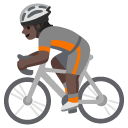


Appearance varies by platform and device. Google Noto, Twemoji, and OpenMoji are open-source.