🚴🏼
The Emoji
Person Biking: Medium-light Skin Tone
U+1F6B4 U+1F3FC · :person_biking_mediumlight_skin_tone:
Trend 55
Meaning layers
- interpretation
- Used to signal an active, health-conscious lifestyle or eco-friendly commuting. Also used humorously to imply someone is 'doing the most' or working extra hard — pedaling through life's struggles.
- tiktok usage
- Appears in workout motivation videos, cycling vlogs, and 'hot girl summer' fitness content. Sometimes used ironically to mock people who over-explain simple tasks ('just cycling through your emotions rn 🚴🏼').
- irony level
- 4 / 10
Platform meanings
- meaning
- Fitness motivation, cycling vlogs, or ironic commentary on 'doing the most' while avoiding real issues.
- trend usage
- Used in 75Hard challenges, cycling commute POVs, and 'girlies who bike to work' aesthetics. Also appears in humorous 'escaping problems' edit formats.
- hashtags
- #cyclinglife#bikecommute#fitnessmotivation#cyclingtiktok#activelifestyle
- virality score
- 58 / 100
Cultural meanings
🇺🇸
Western / Gen-Z
Strongly associated with eco-conscious commuting, fitness aesthetics, and the 'hot girl walk/bike' wellness trend. Used ironically to describe working hard with no destination.
🇵🇰
Pakistan & India
Represents everyday transportation in many contexts, evoking working-class cycling culture. Also used to celebrate fitness achievements in urban youth fitness communities.
🌍
Middle East
Primarily associated with recreational sport cycling, particularly in countries like UAE where cycling tourism has grown. Less common as commuting imagery.
🌐
Global Neutral
Universally understood as a cycling activity symbol. Used across languages and cultures to represent sport, fitness, or eco-friendly travel without ambiguity.
🇧🇩
Bangladesh
Strongly evokes everyday commuting and delivery culture where cycling is a primary mode of transport. Also used in fitness contexts by urban youth.
🇱🇰
Sri Lanka
Associated with both commuting and recreational cycling, particularly in the growing urban cycling community in Colombo and among fitness-oriented youth.
🇨🇳
China
Resonates with a rich cycling cultural history and the modern bike-share boom (Mobike, Didi Bike). Also used in fitness contexts and cycling club communities.
🇯🇵
Japan
Deeply embedded in everyday commuting culture — cycling to train stations is ubiquitous. Used naturally to represent daily life, fitness, and practicality.
🇰🇷
South Korea
Associated with Han River cycling culture and outdoor recreational fitness. Popular in health-conscious and active lifestyle communities.
🇹🇼
Taiwan
Strongly tied to cycling tourism culture — Taiwan is globally renowned for its cycling infrastructure and the KOM Challenge. Used with pride by cycling enthusiasts.
🇭🇰
Hong Kong
Used in recreational cycling contexts, particularly weekend rides in the New Territories. Less associated with commuting due to terrain.
🇵🇭
Philippines
Associated with both practical cycling (delivery, commuting) and the booming cycling hobby culture that exploded post-pandemic.
🇮🇩
Indonesia
Evokes both everyday transportation and the massive cycling community boom during COVID-19. Used by urban fitness communities and cycling clubs.
🇹🇭
Thailand
Associated with cycling tourism (Chiang Mai, Bangkok cycling tours) and recreational fitness, especially among the growing health-conscious middle class.
🇻🇳
Vietnam
Historically tied to bicycle culture as a cultural symbol. Now associated with fitness cycling among urban youth and expat cycling communities.
🇲🇾
Malaysia
Primarily recreational cycling context, popular in fitness groups. Also associated with cycling events and the active outdoor lifestyle movement.
🇸🇦
Saudi Arabia
Associated with recreational and sport cycling, which has grown significantly with Vision 2030's emphasis on sports and active living. Rising cycling culture in Riyadh.
🇦🇪
UAE
Strongly tied to cycling as a popular expat and local sport. Dubai and Abu Dhabi have major cycling events and infrastructure, making this a high-recognition fitness emoji.
🇪🇬
Egypt
Primarily associated with recreational cycling along the Nile Corniche and cycling clubs in Cairo. Also used humorously for everyday transportation struggles.
🇹🇷
Turkey
Linked to growing cycling culture in Istanbul and Ankara, and cycling tourism in Cappadocia and coastal areas. Used by fitness and outdoor adventure communities.
🇮🇷
Iran
Cycling is a popular leisure activity; however, cultural norms around women cycling in public give this emoji gendered complexity. Used mostly in sports and fitness contexts.
🇳🇬
Nigeria
Associated with physical fitness and sport cycling. Cycling for commuting also has cultural resonance, and the emoji is used in fitness motivation content.
🇿🇦
South Africa
Strongly connected to the Cape Argus (Cape Town Cycle Tour), one of the world's largest timed cycling events. A well-recognized fitness and community symbol.
🇬🇧
UK & Ireland
Tied to cycling commuting culture (especially in London and Dutch-inspired UK cities), Tour de Britain fandom, and the cycling-as-identity subculture.
🇫🇷
France
Deeply culturally resonant — France is the home of the Tour de France. Cycling is a national passion and this emoji carries strong cultural pride and sporting identity.
🇩🇪
Germany
Associated with Germany's world-class cycling infrastructure and eco-conscious commuting culture. Used in sustainability discussions and fitness communities alike.
🇪🇸
Spain & Italy
Linked to Vuelta a España and Giro d'Italia cycling heritage. Used passionately in sports contexts and by recreational cyclists in these cycling-proud nations.
🇧🇷
Brazil
Associated with cycling as both recreation and urban commuting in cities like São Paulo and Curitiba. Used in fitness, cycling advocacy, and outdoor lifestyle content.
🇲🇽
Mexico
Growing cycling culture in Mexico City (Ciclotón events, Sunday bike lanes). Used in fitness and eco-commuting communities and urban lifestyle content.
🌎
Latin America
Generally represents eco-commuting and outdoor recreation across the region. Cycling infrastructure growth in major cities has made this emoji increasingly relevant.
🇦🇺
Australia & NZ
Strongly tied to outdoor fitness culture, cycling in scenic landscapes, and commuter cycling in eco-conscious cities like Melbourne and Auckland.
How its meaning shifted
- 2010
Barely used — emoji was not widely available and cycling emoji existed only in basic form without skin tone options. Used almost exclusively to literally indicate cycling.
- 2015
Skin tone variants introduced in Unicode 8.0. Usage expanded to fitness, commuting, and sport contexts. Still primarily literal in messaging apps.
- 2020
Explosive growth during the COVID-19 pandemic cycling boom. Became a symbol of the 'pandemic hobby' wave and eco-conscious transportation renaissance.
- 2026
Integrated into wellness, sustainability, and ironic self-deprecation content. Used across fitness influencer culture, eco-commuting advocacy, and humorous avoidance memes. The skin tone variant signals identity representation in sports emoji usage.
See it on every platform
Adjacent emojis
- Often confused with
- person mountain bikingperson rowing boatkick scooter
- Can replace
- bicycleperson runninggreen heart
Share & embed
Frequently asked
01What does the 🚴🏼 Person Biking: Medium-light Skin Tone emoji mean?
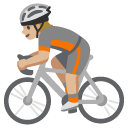
A person riding a bicycle, displayed with a medium-light skin tone modifier. Represents cycling, biking, physical fitness, commuting by bike, or recreational riding.
02What does 🚴🏼 mean on TikTok?
Fitness motivation, cycling vlogs, or ironic commentary on 'doing the most' while avoiding real issues.
03What does 🚴🏼 mean on WhatsApp?
Casually signals being busy or on the move. 'On my way 🚴🏼' or used when describing a morning workout.
04What does 🚴🏼 mean in Gen-Z slang?
Used to signal an active, health-conscious lifestyle or eco-friendly commuting. Also used humorously to imply someone is 'doing the most' or working extra hard — pedaling through life's struggles.
05Is the 🚴🏼 emoji safe to use?
Represents cycling, fitness, outdoor activity, eco-friendly commuting, and healthy living. Universally positive and safe for all audiences.
06What does 🚴🏼 mean in texting?
Cycling imagery is psychologically associated with forward momentum and self-propulsion — the idea that you are the engine of your own progress. Evokes a sense of independence and endorphin-driven positivity.
07What is the shortcode for 🚴🏼?
The shortcode for Person Biking: Medium-light Skin Tone is :person_biking_mediumlight_skin_tone:
08What does 🚴🏼 mean in dating?
Can signal an active, adventurous personality in dating profiles. 'I bike on weekends 🚴🏼' is a low-key way to signal health consciousness and a laid-back outdoor personality.
Safety & usage
- Safe meaning
- Represents cycling, fitness, outdoor activity, eco-friendly commuting, and healthy living. Universally positive and safe for all audiences.
- Caution
- No commonly documented toxic or harmful usage patterns. Extremely rare edge case: used mockingly in discussions about cycling elitism or virtue signaling.
No significant safety concerns. In rare cultural contexts (e.g., Iran), the emoji may carry gendered political connotations related to women's cycling rights, but this is contextual rather than inherently problematic.
How it looks across platforms


Appearance varies by platform and device. Google Noto, Twemoji, and OpenMoji are open-source.