🏂🏼
The Emoji
Snowboarder: Medium-light Skin Tone
U+1F3C2 U+1F3FC · :snowboarder_mediumlight_skin_tone:
Trend 52
Meaning layers
- interpretation
- Used to signal a chill, outdoorsy, sporty personality or to hype up winter trips and ski resort vacations. Often used to flex an adventurous lifestyle.
- tiktok usage
- Appears in winter vlog content, ski resort trip videos, and 'that girl' aesthetic winter content. Paired with snow emojis to set a vibe.
- irony level
- 3 / 10
Platform meanings
- meaning
- Signals winter sports content, ski/snowboard trip vlogs, or an adventurous, sporty aesthetic.
- trend usage
- Used heavily during winter season for #skitrip and #snowboardlife content. Appears in transition videos on mountain slopes.
- hashtags
- #snowboarding#skitrip#wintervibes#mountains#snowboard
- virality score
- 58 / 100
Cultural meanings
🇺🇸
Western / Gen-Z
A staple emoji for signaling the ski resort lifestyle flex and adventurous winter vacation culture. Closely tied to affluent winter travel aesthetics.
🇵🇰
Pakistan & India
Rarely used in everyday conversation due to limited snowboarding culture, but may appear among youth referencing Himalayan mountain tourism in Kashmir or Manali.
🌍
Middle East
Occasionally used by wealthy Gulf youth referencing ski trips to Dubai's Ski Dubai or European Alps vacations, a luxury status signal.
🌐
Global Neutral
Universally understood as representing snowboarding, a winter sport, or cold-weather recreation.
🇧🇩
Bangladesh
Very rare usage due to minimal snowboarding culture; may appear in the context of international sports news or travelers sharing foreign winter experiences.
🇱🇰
Sri Lanka
Extremely rare in everyday usage; primarily understood through international media exposure and used by those who have traveled to snowy destinations.
🇨🇳
China
Associated with growing winter sports culture following the 2022 Beijing Winter Olympics, increasingly used by young Chinese skiers and snowboarders.
🇯🇵
Japan
Popular among Japanese youth referencing Hokkaido and Nagano ski resorts, part of the well-established Japanese snowboarding subculture.
🇰🇷
South Korea
Used frequently among Korean youth who participate in the thriving ski resort culture at places like Pyeongchang and Vivaldi Park.
🇹🇼
Taiwan
Used by travelers referencing Japanese or Korean ski trips, part of the aspirational winter travel content among younger Taiwanese users.
🇭🇰
Hong Kong
Associated with luxury winter travel to Japan or Europe, often appearing in travel influencer content from Hongkongers on ski holidays.
🇵🇭
Philippines
Used almost exclusively in the context of international travel dreams or by Filipinos abroad experiencing snow for the first time.
🇮🇩
Indonesia
Rare in local context but used by Indonesian travelers and influencers posting about overseas winter experiences, often paired with wonder.
🇹🇭
Thailand
Used by Thai travelers and influencers documenting Japanese ski resort trips, part of the popular Thai tourism circuit to Hokkaido.
🇻🇳
Vietnam
Appears in content about winter tourism to Japan or Korea among Vietnamese travelers and aspirational travel content creators.
🇲🇾
Malaysia
Seen in travel content among Malaysians visiting Japanese ski resorts, associated with luxury winter holidays and bucket list travel.
🇸🇦
Saudi Arabia
Used by affluent Saudi youth referencing European ski trips or Ski Dubai, a symbol of high-end leisure and international travel.
🇦🇪
UAE
Tied to Ski Dubai and international winter resort vacations, used by UAE residents to signal both local and overseas winter activities.
🇪🇬
Egypt
Rare in everyday use; primarily appears in the context of international news about winter sports or among Egyptians who have traveled to ski destinations.
🇹🇷
Turkey
Used in reference to Turkish ski resorts like Uludağ and Palandöken, part of a growing domestic ski culture among Turkish youth.
🇮🇷
Iran
Used in reference to popular ski resorts near Tehran like Dizin and Shemshak, where snowboarding has a dedicated following among urban Iranian youth.
🇳🇬
Nigeria
Very rare in everyday Nigerian digital culture; occasionally used humorously to reference being out of one's element or referencing foreign luxury travel.
🇿🇦
South Africa
Used in reference to ski trips abroad or by South African expats enjoying winter sports in Europe, part of aspirational travel content.
🇬🇧
UK & Ireland
Popular among British and Irish users planning Alps ski holidays, a classic middle-class winter vacation flex emoji.
🇫🇷
France
Deeply resonant given France's rich ski culture in the Alps; used naturally by French users discussing trips to Chamonix, Courchevel, and Val d'Isère.
🇩🇪
Germany
Relevant to German ski culture in the Alps and Bavaria; used casually by Germans referencing winter sport holidays.
🇪🇸
Spain & Italy
Associated with the Pyrenees and Italian Dolomites skiing culture; used earnestly in winter sports and mountain lifestyle content.
🇧🇷
Brazil
Used by Brazilian travelers referencing international ski trips, often to Europe or Bariloche in Argentina, as a luxury travel signal.
🇲🇽
Mexico
Appears in travel content from affluent Mexicans referencing ski trips to Colorado, Utah, or European destinations.
🌎
Latin America
Generally represents luxury international winter travel across Latin America; used by travel influencers to signal aspirational lifestyles.
🇦🇺
Australia & NZ
Well-used in reference to the ski resort cultures in the Australian Alps and New Zealand's South Island (Queenstown), part of mainstream winter recreation culture.
How its meaning shifted
- 2010
Primarily used literally to represent the sport of snowboarding, with minimal cultural layering. Emoji diversity options did not yet exist.
- 2015
Skin tone modifiers introduced in 2015 allowed for personalized representation. Usage remained mostly literal for winter sports content.
- 2020
Grew in usage as ski resort 'lifestyle flex' culture boomed on Instagram and TikTok, becoming part of the aspirational winter travel aesthetic vocabulary.
- 2026
Embedded in winter travel culture content, used both earnestly and ironically. Part of the broader outdoor adventure emoji vocabulary alongside skiing and mountain emojis.
See it on every platform
Adjacent emojis
- Often confused with
- skierperson sleddingperson in steamy room
- Can replace
- skiersnow capped mountainsnowflake
Share & embed
Frequently asked
01What does the 🏂🏼 Snowboarder: Medium-light Skin Tone emoji mean?
A person riding a snowboard down a slope, shown with medium-light skin tone. The figure is depicted in a crouching stance on the board.
02What does 🏂🏼 mean on TikTok?
Signals winter sports content, ski/snowboard trip vlogs, or an adventurous, sporty aesthetic.
03What does 🏂🏼 mean on WhatsApp?
Telling friends about a snowboarding trip or expressing excitement about winter plans.
04What does 🏂🏼 mean in Gen-Z slang?
Used to signal a chill, outdoorsy, sporty personality or to hype up winter trips and ski resort vacations. Often used to flex an adventurous lifestyle.
05Is the 🏂🏼 emoji safe to use?
Represents the winter sport of snowboarding and outdoor winter recreation. Completely benign in standard use.
06What does 🏂🏼 mean in texting?
Evokes feelings of adrenaline, freedom of movement, and the joy of mastering a physical skill in nature. Associated with youth culture and thrill-seeking personality types.
07What is the shortcode for 🏂🏼?
The shortcode for Snowboarder: Medium-light Skin Tone is :snowboarder_mediumlight_skin_tone:
08What does 🏂🏼 mean in dating?
Used to hint at an active, adventurous lifestyle to attract a partner — 'I'm fun and outdoorsy, come ski with me.' Can be a subtle invite.
Safety & usage
- Safe meaning
- Represents the winter sport of snowboarding and outdoor winter recreation. Completely benign in standard use.
- Caution
- No known toxic or harmful associations. Occasionally used in very mild contexts to suggest recklessness or 'going off the rails.'
No significant warning flags. The skin tone modifier makes it a positive representation tool for diversity in sport.
How it looks across platforms
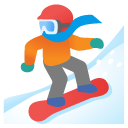


Appearance varies by platform and device. Google Noto, Twemoji, and OpenMoji are open-source.