🎙️
The Emoji
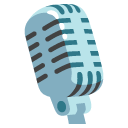
Studio Microphone
U+1F399 U+FE0F · :studio_microphone:
Trend 68
Meaning layers
- interpretation
- Used to signal dropping a hot take, sharing receipts, or announcing something important. Often placed after a statement to imply 'mic drop' energy or 'I said what I said' confidence. Also signals podcast culture, content creator identity, or calling someone out publicly.
- tiktok usage
- Placed at the end of a bold caption or voiceover to imply the creator is speaking facts or exposing truth. Used in 'storytime' or 'POV' content to indicate confessional or announcement energy.
- irony level
- 4 / 10
Platform meanings
- meaning
- Signals content creation, speaking your truth, dropping facts, or podcasting energy. Placed after bold statements or used in creator bios.
- trend usage
- Heavy use in 'hot take' videos, storytime content, and podcast promo clips. Creators use it to frame their opinion as authoritative broadcast-worthy content.
- hashtags
- #podcastlife#speakyourtruth#contenrcreator#storytimewith#micdrop
- virality score
- 72 / 100
Cultural meanings
🇺🇸
Western / Gen-Z
Primarily signals creator culture, podcasting, and dropping facts. Gen Z uses it as a 'I said what I said' energy marker after bold statements on TikTok and Twitter.
🇵🇰
Pakistan & India
Commonly used by aspiring content creators, YouTubers, and podcast hosts. Also used in WhatsApp groups to signal someone is about to deliver important news or tea.
🌍
Middle East
Widely used by Arabic-language podcasters and radio personalities on Instagram and Snapchat. Signals media professionalism and broadcasting credibility in the region.
🌐
Global Neutral
Universally understood as representing professional audio recording, broadcasting, and public speaking. Safe to use across all cultural contexts without misinterpretation.
🇧🇩
Bangladesh
Used by emerging digital content creators and radio broadcasting professionals. Gaining traction on Facebook and YouTube as podcasting culture grows.
🇱🇰
Sri Lanka
Relatively niche; primarily used by media professionals and university students in communication fields. More literal interpretation as recording equipment.
🇨🇳
China
Used on platforms like Weibo and Bilibili by podcasters (播客) and live streamers. Also appears in contexts of public speaking or hosting formal events.
🇯🇵
Japan
Used on Twitter and Instagram by radio personalities, voice actors (seiyuu), and podcast creators. Carries a professional and artistic connotation in Japanese creator culture.
🇰🇷
South Korea
Popular among K-pop content creators, radio DJs, and podcast hosts. Also used by fans recapping idol radio appearances or interview moments on Weverse and Twitter.
🇹🇼
Taiwan
Used by digital media personalities and podcast creators. Carries similar meaning to global usage with emphasis on independent content creation.
🇭🇰
Hong Kong
Appears in media and journalism circles as well as Cantonese podcast communities. Used to signal professional audio content in both traditional and new media contexts.
🇵🇭
Philippines
Heavily used by Filipino content creators, vloggers, and podcast enthusiasts on Facebook and TikTok. Signals aspirational creator identity and broadcast culture.
🇮🇩
Indonesia
Popular in Indonesian podcasting communities on Spotify and YouTube. Used by digital creators to signal quality content production and professional branding.
🇹🇭
Thailand
Used by Thai YouTubers, podcasters, and radio hosts. Often appears in social media bios and post captions announcing audio or broadcast content.
🇻🇳
Vietnam
Growing usage among Vietnamese content creators and podcast hosts. More literal interpretation with less ironic or meme usage compared to Western Gen Z.
🇲🇾
Malaysia
Common in Malaysian media and creator communities across Facebook, Instagram, and TikTok. Used to signal podcasting, interviews, and professional broadcasting.
🇸🇦
Saudi Arabia
Used by Saudi media professionals, podcast hosts, and content creators. Arabic-language podcasting is booming and this emoji is a key identifier in that space.
🇦🇪
UAE
Very common in the UAE's vibrant media and influencer landscape. Used extensively by bilingual Arabic-English creators, journalists, and business podcasters.
🇪🇬
Egypt
Popular among Egyptian radio personalities, YouTubers, and podcasters. Signals both traditional broadcast media and modern digital content creation.
🇹🇷
Turkey
Used by Turkish content creators, podcast hosts, and journalists. Appears frequently in media-related Twitter and Instagram content.
🇮🇷
Iran
Used by Persian-language podcasters and content creators, particularly in diaspora communities. Signals alternative and independent media in restricted contexts.
🇳🇬
Nigeria
Very popular in Nigeria's rapidly growing podcast and media space. Used by Afrobeats artists, radio hosts, and content creators to signal their broadcast presence.
🇿🇦
South Africa
Used across South African creator and media communities. Signals professional audio content and is common in podcast and radio station social media accounts.
🇬🇧
UK & Ireland
Used by British and Irish creators with a similar 'hot take' and podcasting culture connotation as the US. Common in BBC-adjacent content, independent journalism, and creative media bios.
🇫🇷
France
Used by French-speaking podcasters and media professionals. Carries a sophisticated, intellectual connotation — associated with cultural commentary and radio intellectualism.
🇩🇪
Germany
More literal and professional usage in Germany. Common in media industry contexts, journalism, and corporate communication without heavy ironic overlay.
🇪🇸
Spain & Italy
Used by Spanish and Italian content creators and media personalities. More emphasis on entertainment broadcasting than podcast culture, though usage is evolving.
🇧🇷
Brazil
Very popular in Brazil's huge podcast market. Used by Brazilian podcasters, YouTubers, and influencers to signal audio content and creator identity on Instagram and TikTok.
🇲🇽
Mexico
Common among Mexican content creators and digital media personalities. Used to signal podcast drops, interviews, and creator milestones on Instagram and TikTok.
🌎
Latin America
Across Latin America, the emoji signals creator culture, radio nostalgia, and podcast identity. Widely used in Spanish and Portuguese-language creator communities.
🇦🇺
Australia & NZ
Used by Australian and New Zealand creators with a casual, confident energy. Common in podcast bios and caption drops after bold takes on social media.
How its meaning shifted
- 2010
Essentially unused — the emoji didn't exist yet and microphone-related communication relied on 🎤. Studio recording was not a mainstream cultural reference point for general social media users.
- 2015
Introduced in 2014, early usage was mostly literal — used by musicians, radio hosts, and media professionals to indicate recording or broadcasting activities on Twitter and Instagram.
- 2020
Podcasting boom and creator economy explosion drove massive adoption. Became a standard icon for podcast promotion, content creator branding, and 'dropping facts' culture on TikTok and Instagram.
- 2026
Fully embedded in creator culture vernacular. Used for mic-drop moments, bold takes, podcast branding, and 'I said what I said' energy. Also used ironically to mock over-serious content creators.
See it on every platform
Emoji combinations
Adjacent emojis
- Often confused with
- microphonetelephone receiverspeaking head
- Can replace
- microphoneloudspeakermegaphone
Share & embed
Frequently asked
01What does the 🎙️ Studio Microphone emoji mean?
A studio microphone on a stand, typically used in professional recording studios, podcasts, and broadcast settings. Represents audio recording, broadcasting, public speaking, and professional voice work.
02What does 🎙️ mean on TikTok?
Signals content creation, speaking your truth, dropping facts, or podcasting energy. Placed after bold statements or used in creator bios.
03What does 🎙️ mean on WhatsApp?
Sent before delivering important news or a long voice note. Signals 'pay attention, I have something important to say.'
04What does 🎙️ mean in Gen-Z slang?
Used to signal dropping a hot take, sharing receipts, or announcing something important. Often placed after a statement to imply 'mic drop' energy or 'I said what I said' confidence. Also signals podcast culture, content creator identity, or calling someone out publicly.
05Is the 🎙️ emoji safe to use?
Represents broadcasting, podcasting, public speaking, content creation, and professional audio recording. Entirely safe and professional in all standard contexts.
06What does 🎙️ mean in texting?
The studio microphone evokes a sense of being heard and validated — a deeply human need. Its professional connotation triggers associations with power, platform, and credibility. Users often deploy it when they want their words to feel weighty or official.
07What is the shortcode for 🎙️?
The shortcode for Studio Microphone is :studio_microphone:
08What does 🎙️ mean in dating?
Rarely used in direct flirting but can signal 'I want to hear your voice' or hint at deep conversations. Sometimes used to say 'tell me more' or 'I'm listening intently to you.'
Safety & usage
- Safe meaning
- Represents broadcasting, podcasting, public speaking, content creation, and professional audio recording. Entirely safe and professional in all standard contexts.
- Caution
- Rarely weaponized, but can be used to mock or amplify someone's words sarcastically, or to signal 'calling someone out publicly' in pile-on contexts.
Extremely low risk emoji. In rare cases may appear in doxxing or harassment contexts where someone is 'broadcasting' private information about a target, but this is highly atypical.
How it looks across platforms


Appearance varies by platform and device. Google Noto, Twemoji, and OpenMoji are open-source.