🐫
The Emoji
Two-hump Camel
U+1F42B · :twohump_camel:
Trend 48
Meaning layers
- interpretation
- Used humorously to reference 'Hump Day' (Wednesday), resilience through tough times ('carrying weight like a camel'), or absurdist desert vibes. Sometimes deployed ironically in random contexts just for comedic effect.
- tiktok usage
- Appears in 'Hump Day' weekly milestone posts, 'carrying the whole team' tropes, and random desert aesthetic videos. Also used in POV skits about surviving the week.
- irony level
- 6 / 10
Platform meanings
- meaning
- Midweek milestone marker, resilience humor, desert aesthetic content, and absurdist animal comedy
- trend usage
- Used every Wednesday in #HumpDay videos; also featured in 'desert girl aesthetic' trends and endurance/grind culture TikToks
- hashtags
- #HumpDay#CamelTok#DesertVibes#MidweekMotivation#CarryingTheWeight
- virality score
- 52 / 100
Cultural meanings
🇺🇸
Western / Gen-Z
Primarily a Wednesday meme emoji tied to the GEICO Hump Day ad; also used ironically in 'I'm built different, I can endure anything' posts.
🇵🇰
Pakistan & India
Represents cultural familiarity with camels at festive events, rural landscapes, and the Thar Desert; used in travel and cultural pride content.
🌍
Middle East
Camels are deeply culturally significant as symbols of wealth, endurance, and heritage; this emoji is used seriously and proudly in cultural contexts.
🌐
Global Neutral
Universally understood as a camel representing desert travel, wildlife, and resilience; the Wednesday Hump Day meme is globally spreading.
🇧🇩
Bangladesh
Less culturally immediate but used in wildlife or geography contexts; occasionally appears in travel content about Central Asia or the Middle East.
🇱🇰
Sri Lanka
Used primarily in educational, wildlife, or travel contexts; not deeply embedded in local meme culture but recognized from global internet trends.
🇨🇳
China
The Bactrian camel is a national symbol tied to the ancient Silk Road and Chinese history; used with cultural pride in heritage and history posts.
🇯🇵
Japan
Used in cute animal content, zoo visit posts, and Silk Road historical references; kaomoji users sometimes pair it with desert travel commentary.
🇰🇷
South Korea
Appears in travel content and exotic animal posts; K-content creators use it occasionally in Wednesday posts influenced by Western internet culture.
🇹🇼
Taiwan
Used in travel content, animal café contexts, and occasionally in Wednesday meme culture imported from Western social media trends.
🇭🇰
Hong Kong
Primarily used in travel and wildlife contexts; younger users adopt the Wednesday Hump Day meaning through exposure to global meme culture.
🇵🇭
Philippines
Used in Wednesday Hump Day posts imported from Western meme culture; also appears in travel content from Filipinos visiting the Middle East for work.
🇮🇩
Indonesia
OFW communities in the Middle East use it to reference their surroundings; general population uses it for Wednesday humor and desert travel content.
🇹🇭
Thailand
Featured in travel content from Thai tourists visiting the Middle East or Central Asia; also adopted in midweek meme culture on Thai social media.
🇻🇳
Vietnam
Used in educational and travel contexts; younger Vietnamese internet users adopt the Wednesday meme meaning from global social media.
🇲🇾
Malaysia
Common in Wednesday motivational posts; also used to represent Malaysia's Middle Eastern cultural and economic ties through migrant worker communities.
🇸🇦
Saudi Arabia
Camels are a deep cultural symbol of Bedouin heritage, strength, and national identity; this emoji is used with genuine pride and cultural weight.
🇦🇪
UAE
The camel is a symbol of Emirati national heritage and the annual Al Dhafra Camel Festival; used proudly in cultural and national identity content.
🇪🇬
Egypt
Camels are iconic in Egyptian tourism and desert culture; used in travel posts, local humor, and references to the Saharan landscape.
🇹🇷
Turkey
Used in historical Silk Road and Caravanserai contexts, Central Asian heritage discussions, and travel content from eastern Turkey and Cappadocia.
🇮🇷
Iran
Connected to Persian historical trade routes and Silk Road heritage; used in cultural history content and travel posts about Iran's desert landscapes.
🇳🇬
Nigeria
Camels are associated with Northern Nigeria's Saharan culture and the Hausa-Fulani nomadic traditions; used in cultural pride and geography content.
🇿🇦
South Africa
Used mainly in wildlife and travel contexts; associated with North African or Middle Eastern travel rather than local South African fauna.
🇬🇧
UK & Ireland
Wednesday Hump Day humor is popular; also used in travel content from Brits visiting Morocco, Egypt, or Dubai — a common holiday destination.
🇫🇷
France
Associated with French colonial history in North Africa (Maghreb); used in travel content for Morocco, Algeria, and Tunisia, and in Wednesday humor.
🇩🇪
Germany
Used in travel and geography contexts, Silk Road history discussions, and adopted Wednesday Hump Day meme usage from global internet culture.
🇪🇸
Spain & Italy
Connected to historical Moorish and Silk Road trade references; used in travel content for Morocco and Egypt and midweek motivational posts.
🇧🇷
Brazil
Used in Wednesday ('Quarta-feira') humor posts and in travel content; Brazilians in the Middle East use it in cultural exchange content.
🇲🇽
Mexico
Adopted in midweek humor posts; also occasionally used when referencing desert landscapes, connecting to Mexico's own northern desert geography.
🌎
Latin America
Generally used for Wednesday midweek humor and travel content; widely recognized from global meme culture even if camels aren't locally common.
🇦🇺
Australia & NZ
Wednesday Hump Day humor is popular; also used in travel posts from Australians visiting the Middle East or Central Asia, very common destinations.
How its meaning shifted
- 2010
Primarily used as a literal animal emoji in early smartphone messaging; context was almost exclusively wildlife, travel, or desert references.
- 2015
The 2013 GEICO 'Hump Day' camel commercial had fully saturated internet culture, making Wednesday the dominant use case across all Western platforms.
- 2020
Wednesday Hump Day usage became reflexive and almost automatic; also used in pandemic-era 'endurance and survival' humor as people clung to weekly milestones.
- 2026
Still active as a Wednesday ritual emoji; additionally embraced in desert aesthetic trends, Silk Road cultural content, and resilience-core Gen Z posting styles.
See it on every platform
Compare with
Adjacent emojis
- Often confused with
- one hump camelhorsellama
- Can replace
- one hump camelhorsellama
Share & embed
Frequently asked
01What does the 🐫 Two-hump Camel emoji mean?
The two-hump camel (Bactrian camel), depicted in a brownish-tan color with two prominent humps on its back, used to represent camels, deserts, Central Asia, and related concepts.
02What does 🐫 mean on TikTok?
Midweek milestone marker, resilience humor, desert aesthetic content, and absurdist animal comedy
03What does 🐫 mean on WhatsApp?
Sent on Wednesdays as a 'Happy Hump Day' greeting, or used in travel chats about visiting Central Asia or North Africa
04What does 🐫 mean in Gen-Z slang?
Used humorously to reference 'Hump Day' (Wednesday), resilience through tough times ('carrying weight like a camel'), or absurdist desert vibes. Sometimes deployed ironically in random contexts just for comedic effect.
05Is the 🐫 emoji safe to use?
A friendly animal emoji representing camels, desert travel, endurance, Wednesday humor, and Central Asian or Middle Eastern cultural identity.
06What does 🐫 mean in texting?
The camel psychologically signals perseverance, stoicism, and the ability to endure hardship without complaint — reflecting a 'keep going' mental state often used during burnout or stress.
07What is the shortcode for 🐫?
The shortcode for Two-hump Camel is :twohump_camel:
08What does 🐫 mean in dating?
Occasionally used as a subtle 'Hump Day' innuendo flirt, implying physical interest in a playful, deniable way. Low effort but sometimes cheeky.
Safety & usage
- Safe meaning
- A friendly animal emoji representing camels, desert travel, endurance, Wednesday humor, and Central Asian or Middle Eastern cultural identity.
- Caution
- Extremely rarely weaponized; no established toxic or coded harmful usage in mainstream or fringe internet communities.
The 'Hump Day' innuendo can be used in mildly suggestive flirting but is broadly considered harmless and non-explicit. No significant toxic usage patterns documented.
How it looks across platforms
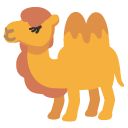


Appearance varies by platform and device. Google Noto, Twemoji, and OpenMoji are open-source.