🕝
The Emoji
Two-thirty
U+1F55D · :twothirty:
Trend 18
Meaning layers
- interpretation
- Used ironically to signal being 'on schedule' for nothing in particular, or to flex an odd sleep schedule. Sometimes signals 2:30 AM chaos energy or a spontaneous 'it's 2:30 somewhere' vibe.
- tiktok usage
- Appears in 'day in my life' content marking random timestamps, or in sleepy/chaotic late-night videos as a 2:30 AM confession aesthetic.
- irony level
- 5 / 10
Platform meanings
- meaning
- Timestamp marker for chaotic late-night or mid-afternoon content; signals a specific relatable moment in time.
- trend usage
- Used in 'storytime' videos and 'day in my life' TikToks to mark the exact moment something unexpected happened.
- hashtags
- #230am#230pm#clockcheck#latenightvibes#dayinmylife
- virality score
- 28 / 100
Cultural meanings
🇺🇸
Western / Gen-Z
Represents the chaotic 2:30 AM insomnia or 'doing nothing productive at 2:30 PM' energy that Gen Z romanticizes and memes freely.
🇵🇰
Pakistan & India
Primarily used as a literal scheduling tool in family and professional WhatsApp groups; the 2:30 PM time is associated with post-lunch relaxation or afternoon chai time.
🌍
Middle East
Used in scheduling contexts, particularly meaningful as 2:30 PM falls near post-Dhuhr prayer rest periods in many communities.
🌐
Global Neutral
Universally understood as a representation of the time 2:30, used across all cultures for scheduling and time-reference purposes without strong cultural connotations.
🇧🇩
Bangladesh
Used straightforwardly for scheduling in messaging apps; 2:30 PM aligns with afternoon nap or study break culture in many households.
🇱🇰
Sri Lanka
Practical scheduling use dominates; 2:30 PM is associated with the afternoon school dismissal time, giving it a mild nostalgic association for younger users.
🇨🇳
China
Used in WeChat and DingTalk for meeting confirmations; 2:30 PM is a common afternoon work meeting slot in Chinese corporate culture.
🇯🇵
Japan
Precise time communication is highly valued; this emoji is used respectfully to confirm exact meeting or appointment times in a culture that prizes punctuality.
🇰🇷
South Korea
Used in KakaoTalk to schedule meetups or study sessions; 2:30 PM is associated with afternoon study halls and hagwon (tutoring academy) schedules.
🇹🇼
Taiwan
Used functionally for scheduling in LINE messaging; 2:30 PM connotes the tail end of the Taiwanese afternoon break period.
🇭🇰
Hong Kong
Common in professional and casual scheduling; the fast-paced city culture makes precise time emojis practical in both work and social contexts.
🇵🇭
Philippines
Used in scheduling group chats for meetups; 2:30 PM has an association with afternoon merienda (snack time), giving it a warm social connotation.
🇮🇩
Indonesia
Used in WhatsApp and LINE for scheduling; 2:30 PM timing aligns with post-Dhuhr afternoon activities in Muslim-majority communities.
🇹🇭
Thailand
Functional scheduling use via LINE app; 2:30 PM is associated with afternoon rest or the lull between lunch and evening market activities.
🇻🇳
Vietnam
Used on Zalo for scheduling; 2:30 PM timing can relate to post-lunch rest breaks common in Vietnamese workplaces and schools.
🇲🇾
Malaysia
Used practically in WhatsApp scheduling; meaningful in Muslim contexts as 2:30 PM falls within the Dhuhr prayer window, signaling a break in the day.
🇸🇦
Saudi Arabia
Scheduling use is primary; 2:30 PM holds significance as part of the mid-afternoon period following Dhuhr prayers and before the resumption of business.
🇦🇪
UAE
Used in professional and casual scheduling in a multicultural context; the UAE's mixed time-zone workforce makes precise clock emojis especially useful.
🇪🇬
Egypt
Functional scheduling use; 2:30 PM in Egyptian culture often coincides with post-lunch family rest time before the afternoon picks up.
🇹🇷
Turkey
Used in WhatsApp for scheduling; 2:30 PM is associated with the quiet mid-afternoon before the evening social life begins in Turkish culture.
🇮🇷
Iran
Practical scheduling use; 2:30 PM aligns with mid-afternoon rest periods and is a common time for business or school activities to resume.
🇳🇬
Nigeria
Used in WhatsApp and Telegram for scheduling; 2:30 PM carries connotations of the busy mid-afternoon work or market hours.
🇿🇦
South Africa
Functional scheduling use across communities; 2:30 PM is a common time for afternoon school pickup, giving it a family-oriented association.
🇬🇧
UK & Ireland
Casual scheduling use; 2:30 PM is associated with the 'afternoon slump' that the British humorously link to needing a second tea break.
🇫🇷
France
Scheduling use; 2:30 PM in French culture falls just after the long lunch break, marking the return to work or afternoon classes.
🇩🇪
Germany
Precise time communication aligns perfectly with German cultural values of punctuality; this emoji is used seriously and functionally in scheduling.
🇪🇸
Spain & Italy
2:30 PM in Spain/Italy is deeply tied to post-siesta or late lunch culture, giving this emoji a relaxed, midday meal association in casual conversation.
🇧🇷
Brazil
Used in WhatsApp scheduling; 2:30 PM in Brazil is associated with post-lunch laziness or 'rachar o sono' (afternoon nap) culture in many regions.
🇲🇽
Mexico
Functional WhatsApp scheduling use; 2:30 PM aligns with post-comida (the main midday meal) relaxation, giving it a sleepy afternoon association.
🌎
Latin America
Broadly used for scheduling across Latin America; 2:30 PM represents the drowsy post-meal hour when productivity traditionally dips across the region.
🇦🇺
Australia & NZ
Casual scheduling use; 2:30 PM is associated with the mid-afternoon school pickup rush, giving it a busy parenting or student connotation.
How its meaning shifted
- 2010
Primarily a functional Unicode character used in early smartphone messaging to communicate exact times, with little cultural or emotional layering.
- 2015
Gained wider use as emoji keyboards became standard on iOS and Android; used almost exclusively for literal time scheduling in group chats and SMS.
- 2020
Began appearing in meme contexts around insomnia culture and pandemic-era disrupted sleep schedules, with '2:30 AM thoughts' becoming a relatable social media trope.
- 2026
Embedded in aesthetic 'time-coded' content on TikTok and Threads; used both literally for scheduling and symbolically for late-night chaos energy or the romanticized 2:30 AM creative hour.
See it on every platform
Compare with
Adjacent emojis
- Opposite
- sunrisesunalarm clock
- Often confused with
- two oclockclock face two thirtyhourglass done
- Can replace
- alarm clockcalendarspiral calendar
Share & embed
Frequently asked
01What does the 🕝 Two-thirty emoji mean?
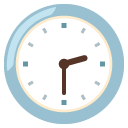
A clock face showing the time of two-thirty (2:30), with the hour hand pointing between two and three and the minute hand pointing to six.
02What does 🕝 mean on TikTok?
Timestamp marker for chaotic late-night or mid-afternoon content; signals a specific relatable moment in time.
03What does 🕝 mean on WhatsApp?
Simply communicates the time 2:30, used to set meeting times or confirm schedules.
04What does 🕝 mean in Gen-Z slang?
Used ironically to signal being 'on schedule' for nothing in particular, or to flex an odd sleep schedule. Sometimes signals 2:30 AM chaos energy or a spontaneous 'it's 2:30 somewhere' vibe.
05Is the 🕝 emoji safe to use?
A neutral clock emoji representing the time 2:30, used for scheduling, timestamps, and time-based expressions.
06What does 🕝 mean in texting?
Clocks evoke a subtle awareness of time passing; 2:30 specifically triggers associations with post-lunch slumps, late-night insomnia, or the liminal feeling of mid-afternoon or early morning.
07What is the shortcode for 🕝?
The shortcode for Two-thirty is :twothirty:
08What does 🕝 mean in dating?
Rarely used flirtatiously on its own, but can appear as 'meet me at 2:30? 🕝' with a playful implication of a secret afternoon rendezvous.
Safety & usage
- Safe meaning
- A neutral clock emoji representing the time 2:30, used for scheduling, timestamps, and time-based expressions.
- Caution
- Extremely rare toxic usage; theoretically could be used to passive-aggressively timestamp a late or missed commitment.
No significant safety concerns. Not associated with coded harmful language or toxic communities. Completely safe for all audiences.
How it looks across platforms


Appearance varies by platform and device. Google Noto, Twemoji, and OpenMoji are open-source.