🐪
The Emoji
Camel
U+1F42A · :camel:
Trend 48
Meaning layers
- interpretation
- Used to represent resilience, going long periods without something (like water, sleep, or attention), or as a humorous stand-in for 'hump day' (Wednesday) culture.
- tiktok usage
- Appears in videos about surviving on little sleep, fasting challenges, or desert aesthetics. Sometimes used ironically when someone claims they 'don't need' basic necessities.
- irony level
- 5 / 10
Platform meanings
- meaning
- Used in desert travel content, Wednesday posts, fasting/survival challenge videos, and 'no water needed' resilience humor.
- trend usage
- Paired with desert aesthetic trends, Sahara travel vlogs, or 'hump day' motivational content. Also used in BookTok for slow-burn romance references.
- hashtags
- #HumpDay#DesertVibes#CamelLife#Resilience#WednesdayMotivation
- virality score
- 42 / 100
Cultural meanings
🇺🇸
Western / Gen-Z
Primarily associated with 'Hump Day' Wednesday memes from the GEICO commercial era; used ironically to signal mid-week survival or extreme endurance.
🇵🇰
Pakistan & India
Used culturally to reference camels in festive contexts (weddings, fairs), Rajasthan desert tourism, and sometimes nostalgically for rural heritage.
🌍
Middle East
A deeply cultural symbol representing heritage, Bedouin tradition, and pride. Used sincerely in posts about Arabian culture, camel racing, and national identity.
🌐
Global Neutral
Universally understood as a desert animal symbol; used for travel content, wildlife appreciation, and mid-week humor across cultures.
🇧🇩
Bangladesh
Less commonly used; appears occasionally in content about South Asian animal fairs or Eid al-Adha, when camels are associated with sacrificial animals.
🇱🇰
Sri Lanka
Rarely used in daily communication; appears in zoo-visit posts or travel content about desert regions visited by Sri Lankan travelers.
🇨🇳
China
Used in travel content about Silk Road destinations (Dunhuang, Inner Mongolia), camel trekking tourism, and exotic animal novelty posts.
🇯🇵
Japan
Used in zoo visit posts and desert travel content. Camel is seen as an exotic, photogenic animal and often appears in kawaii-style animal content.
🇰🇷
South Korea
Appears in travel vlogs about Middle Eastern or African destinations and is sometimes used humorously to represent someone who 'doesn't drink enough water.'
🇹🇼
Taiwan
Used in travel content and zoo posts. Also appears in nature education content for children.
🇭🇰
Hong Kong
Used in travel posts about the Middle East or Africa. Occasionally appears in Eid-related posts within the Muslim community in Hong Kong.
🇵🇭
Philippines
Used in travel content and OFW (Overseas Filipino Worker) posts from Gulf countries as a cultural reference to life in the Middle East.
🇮🇩
Indonesia
Commonly used in Hajj and Umrah travel content, Eid posts, and as a reference to Saudi Arabia by the large Muslim population.
🇹🇭
Thailand
Used in travel content about desert tourism and occasionally in animal-themed posts. Associated with exotic travel and desert landscapes.
🇻🇳
Vietnam
Appears in travel content about the Middle East and Africa. Used by Vietnamese travelers sharing desert experiences.
🇲🇾
Malaysia
Frequently used in Hajj/Umrah pilgrimage posts, Eid content, and travel posts from Saudi Arabia, given Malaysia's large Muslim community.
🇸🇦
Saudi Arabia
A symbol of deep national pride and cultural heritage. Used in posts about camel racing, camel beauty contests, national day celebrations, and Bedouin traditions.
🇦🇪
UAE
Strongly associated with Emirati cultural identity, camel racing festivals, and desert safaris. Used sincerely in national pride and tourism content.
🇪🇬
Egypt
Used in tourism and travel content referencing the Sahara, desert excursions, and camel rides near the pyramids. A cultural and commercial symbol.
🇹🇷
Turkey
Used in Cappadocia travel content where camel rides are a tourist attraction, and in posts about Silk Road history and desert heritage.
🇮🇷
Iran
Associated with historical Silk Road trade routes, desert landscapes of central Iran, and traditional pastoral culture. Used in heritage and travel content.
🇳🇬
Nigeria
Used in northern Nigerian cultural content where camels are present in Sahel regions, and in Eid al-Adha related posts.
🇿🇦
South Africa
Primarily used in travel and wildlife content. Associated with exotic animal tourism and visits to northern African or Middle Eastern regions.
🇬🇧
UK & Ireland
Mainly used for Wednesday 'Hump Day' humor or in travel posts about desert destinations. The GEICO meme transcended to UK internet culture as well.
🇫🇷
France
Used in posts about Saharan travel, Moroccan tourism, and North African cultural references. France's close ties to Maghreb culture give it some authenticity.
🇩🇪
Germany
Used in travel content about the Middle East and Africa. Occasionally appears in Oktoberfest or zoo-related humor comparing endurance.
🇪🇸
Spain & Italy
Used in travel posts about Morocco and the Sahara, popular destinations from both countries. Also appears in campy Wednesday humor.
🇧🇷
Brazil
Used humorously in mid-week 'quarta-feira' (Wednesday) posts, though less dominant than in English-speaking cultures. Also appears in exotic animal content.
🇲🇽
Mexico
Used in 'Miércoles' (Wednesday) posts and in travel content about desert regions. Sometimes paired with desert-themed Mexican landscapes like Baja California.
🌎
Latin America
Used in Wednesday meme culture (miércoles = hump day) and travel content about Middle Eastern or African destinations among Latin American travelers.
🇦🇺
Australia & NZ
Used in Wednesday humor posts and outback travel content where desert landscapes are relatable. Also appears in zoo posts and animal appreciation content.
How its meaning shifted
- 2010
Used almost exclusively as a literal animal emoji — to represent camels in text, desert discussions, or animal conversations. Limited cultural meaning beyond the literal.
- 2015
Exploded in Wednesday 'Hump Day' usage following the viral GEICO commercial. Became one of the most recognized mid-week meme emojis globally.
- 2020
Retained its Wednesday meme meaning while also being adopted in desert travel aesthetics, Ramadan/Eid content, and resilience metaphor usage on social media.
- 2026
Nuanced usage across cultural contexts — sincere in Middle Eastern/South Asian cultural posts, meme-ironic in Western Gen Z spaces, aesthetic in travel content, and increasingly used in 'dry spell' and endurance humor.
See it on every platform
Compare with
Adjacent emojis
- Often confused with
- two hump camelllamahorse
- Can replace
- two hump camelllamahorse
Share & embed
Frequently asked
01What does the 🐪 Camel emoji mean?
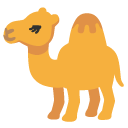
A one-humped dromedary camel, depicted in a brownish-tan color, used to represent the animal itself, desert environments, and endurance.
02What does 🐪 mean on TikTok?
Used in desert travel content, Wednesday posts, fasting/survival challenge videos, and 'no water needed' resilience humor.
03What does 🐪 mean on WhatsApp?
Sent on Wednesdays as a 'Happy Hump Day' greeting. Also used when describing a desert trip or referencing endurance in a conversation.
04What does 🐪 mean in Gen-Z slang?
Used to represent resilience, going long periods without something (like water, sleep, or attention), or as a humorous stand-in for 'hump day' (Wednesday) culture.
05Is the 🐪 emoji safe to use?
A desert animal emoji used for travel content, cultural expression, Wednesday humor, and wildlife appreciation.
06What does 🐪 mean in texting?
The camel symbolizes stoic perseverance and self-sufficiency in psychology. Using this emoji may signal someone communicating toughness or the ability to endure hardship without complaint.
07What is the shortcode for 🐪?
The shortcode for Camel is :camel:
08What does 🐪 mean in dating?
Rarely used flirtatiously; occasionally sent on Wednesdays as a playful 'happy hump day' innuendo.
Safety & usage
- Safe meaning
- A desert animal emoji used for travel content, cultural expression, Wednesday humor, and wildlife appreciation.
- Caution
- Rarely used toxically. Occasionally used in body-shaming contexts referencing humps, though this is uncommon and niche.
The 'Hump Day' double entendre can be mildly sexual in flirtatious contexts but is generally considered benign. No significant toxic usage patterns documented.
How it looks across platforms


Appearance varies by platform and device. Google Noto, Twemoji, and OpenMoji are open-source.