🌨️
The Emoji
Cloud With Snow
U+1F328 U+FE0F · :cloud_with_snow:
Trend 58
Meaning layers
- interpretation
- Used to signal cold vibes, winter aesthetic, or emotional numbness — sometimes deployed as a mood indicator for feeling 'frozen out' or disconnected.
- tiktok usage
- Appears in winter aesthetic videos, cozy season content, and 'cold girl era' trend captions. Also used when someone is being emotionally cold or distant.
- irony level
- 3 / 10
Platform meanings
- meaning
- Winter aesthetic marker, cozy season signifier, and emotional 'cold/frozen' mood indicator.
- trend usage
- Featured in 'cold girl era' trend, winter GRWM videos, snow day content, and lo-fi study aesthetic videos.
- hashtags
- #WinterAesthetic#CozyVibes#SnowDay#ColdGirlEra#WinterMood
- virality score
- 62 / 100
Cultural meanings
🇺🇸
Western / Gen-Z
Deeply tied to 'cold girl aesthetic,' cozy season content, and emotional detachment signaling. Used heavily in winter mood boards and vibe-setting captions.
🇵🇰
Pakistan & India
Primarily used literally to express excitement about rare or seasonal snowfall, especially in northern hill regions like Kashmir or Himachal. Carries a sense of novelty and wonder.
🌍
Middle East
Rarely experienced weather so carries a sense of exoticism and wonder. Used by travelers or expats to share snowy experiences abroad.
🌐
Global Neutral
Universally understood as a weather symbol for snow. Crosses language barriers easily as a literal meteorological indicator.
🇧🇩
Bangladesh
Highly unusual weather phenomenon locally, so this emoji is used almost exclusively in reference to news, travel abroad, or fantasy winter imagery.
🇱🇰
Sri Lanka
Used mostly in the context of travel content showing colder destinations or winter vacations since Sri Lanka has a tropical climate.
🇨🇳
China
Used practically for weather updates in northern cities like Harbin or Beijing during winter. Also appears in Winter Olympics-related content and festive season posts.
🇯🇵
Japan
Associated with the beautiful concept of winter quietude and yuki (snow) aesthetics. Used in poetic, seasonal captions and winter festival content.
🇰🇷
South Korea
Tied to winter drama aesthetics and the romantic first-snow (첫눈) cultural trope. Often used with heart emojis in romantic contexts during the first snowfall.
🇹🇼
Taiwan
Rarely literal due to warm climate; mostly used for travel content featuring Japan or Korea snow trips, or to evoke cozy winter feelings.
🇭🇰
Hong Kong
Used largely in the context of winter travel to Japan, Korea, or Europe. Signals aspirational cold-weather escapes from Hong Kong's mild winters.
🇵🇭
Philippines
Almost entirely aspirational — used when dreaming of or traveling to snowy destinations. Carries a sense of fantasy and adventure.
🇮🇩
Indonesia
Used to express envy or excitement about snowy destinations. Occasionally ironic when commenting on air-conditioned spaces being 'too cold.'
🇹🇭
Thailand
Primarily used in travel content or when expressing that an air-conditioned room feels like a snowstorm. Rarely literal.
🇻🇳
Vietnam
Used in northern Vietnam during rare cold spells in highland areas like Sa Pa, as well as in travel and winter holiday content.
🇲🇾
Malaysia
Near-exclusively used in travel posts featuring temperate or cold destinations. Occasionally ironic for describing overly cold malls or offices.
🇸🇦
Saudi Arabia
Occasionally literal for rare snowfall events in northern regions like Tabuk. Otherwise used in winter travel content from abroad.
🇦🇪
UAE
Used in Dubai and Abu Dhabi in the context of ski resort visits (like Ski Dubai) or winter travel destinations. Signals luxury winter tourism.
🇪🇬
Egypt
Rarely literal, but used to describe unusually cool winter days in Alexandria or Cairo, and commonly in travel posts from snowy destinations.
🇹🇷
Turkey
Frequently literal — Turkey has significant snowfall in Ankara, Erzurum, and eastern cities. Used casually in weather chats and winter road condition updates.
🇮🇷
Iran
Commonly literal in northern and western mountainous regions. Used in weather updates and ski resort content from Dizin and Shemshak.
🇳🇬
Nigeria
Primarily used in travel or aspirational content about visiting colder climates. Occasionally ironic when describing something unexpectedly 'cold' or unfeeling.
🇿🇦
South Africa
Used during the limited snow seasons in the Drakensberg or Western Cape highlands. Generates notable social media excitement given its rarity.
🇬🇧
UK & Ireland
Very commonly used and highly relatable — UK and Irish users deploy it frequently during the chaotic national response to even minor snowfall events.
🇫🇷
France
Used for literal winter weather updates, ski trip content, and Alpine holiday posts. Carries a romantic, crisp winter connotation.
🇩🇪
Germany
Practical and literal use in weather discussions, ski vacation posts, and winter driving warnings. Also embedded in Christmas market aesthetic content.
🇪🇸
Spain & Italy
More seasonal and vacation-oriented — used in reference to mountain ski trips or rare urban snow events that cause excitement and chaos.
🇧🇷
Brazil
Almost entirely aspirational and novelty-driven since snow is extremely rare. Used in travel content or to express feeling something is unusually cold.
🇲🇽
Mexico
Used in northern states like Chihuahua or Monterrey where snow occasionally falls, and more broadly in winter travel and holiday aesthetic content.
🌎
Latin America
Aspirational and travel-oriented across most of Latin America. Associated with dream winter destinations and holiday imagery.
🇦🇺
Australia & NZ
Literal in alpine regions of Victoria, NSW, and South Island NZ. Carries ski-trip nostalgia energy and is used heavily during the southern hemisphere winter months.
How its meaning shifted
- 2010
Barely used outside of technical weather apps and basic text weather forecasts. Emoji culture was nascent and this was treated as a purely functional symbol.
- 2015
Gained traction as emoji use exploded on iOS and Android. Began appearing in casual weather-related social media posts and early aesthetic Instagram accounts.
- 2020
Embedded in full winter aesthetic culture — hygge content, cozy pandemic lockdown posts, and winter mood boards on TikTok and Instagram made it ubiquitous.
- 2026
Fully integrated into seasonal aesthetic vocabulary, emotional metaphor language, and cross-platform winter content. Also adopted in AI-generated mood and weather prompts.
See it on every platform
Compare with
Emoji combinations
Adjacent emojis
- Opposite
- suncloud with sunfire
- Often confused with
- cloud with lightningcloudfoggy
Share & embed
Frequently asked
01What does the 🌨️ Cloud With Snow emoji mean?
A white or gray cloud releasing snowflakes, representing snowfall or wintry precipitation weather conditions.
02What does 🌨️ mean on TikTok?
Winter aesthetic marker, cozy season signifier, and emotional 'cold/frozen' mood indicator.
03What does 🌨️ mean on WhatsApp?
Straightforward weather update — 'it's snowing here!' Used casually in group chats to share weather conditions.
04What does 🌨️ mean in Gen-Z slang?
Used to signal cold vibes, winter aesthetic, or emotional numbness — sometimes deployed as a mood indicator for feeling 'frozen out' or disconnected.
05Is the 🌨️ emoji safe to use?
Weather symbol representing snowfall, winter conditions, and cozy seasonal vibes.
06What does 🌨️ mean in texting?
Snow is psychologically associated with stillness, isolation, and a muffled quietude that can feel both peaceful and lonely. This emoji carries that duality — cozy safety versus cold detachment.
07What is the shortcode for 🌨️?
The shortcode for Cloud With Snow is :cloud_with_snow:
08What does 🌨️ mean in dating?
Sometimes used as a subtle flirt implying 'it's cold outside, we should cuddle' energy. Can accompany winter date invitations.
Safety & usage
- Safe meaning
- Weather symbol representing snowfall, winter conditions, and cozy seasonal vibes.
- Caution
- Can be used as a subtle passive-aggressive signal of emotional coldness or to mock someone for being emotionally distant or icy.
Extremely low risk. Occasionally used in passive-aggressive emotional contexts but carries no serious harmful potential.
How it looks across platforms
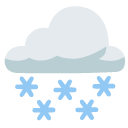


Appearance varies by platform and device. Google Noto, Twemoji, and OpenMoji are open-source.