HomeEmojis👩🏼❤️👩🏾 Couple With Heart: Woman, Woman, Medium-light Skin Tone, Medium-dark Skin ToneField Guide
👩🏼❤️👩🏾
The Emoji
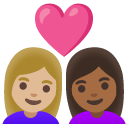
Couple With Heart: Woman, Woman, Medium-light Skin Tone, Medium-dark Skin Tone
U+1F469 U+1F3FC U+200D U+2764 U+FE0F U+200D U+1F469 U+1F3FE · :couple_with_heart_woman_woman_mediumlight_skin_tone_mediumdark_skin_tone:
Trend 65
Meaning layers
- interpretation
- Used to celebrate WLW (women-loving-women) relationships, sapphic love, and interracial queer couples; often dropped in captions to signal pride, relationship status, or solidarity.
- tiktok usage
- Appears in WLW couple videos, sapphic TikTok content, pride month edits, and 'soft girl' aesthetic relationship posts.
- irony level
- 1 / 10
Platform meanings
- meaning
- Represents WLW love, sapphic relationships, and queer pride; used to tag couple content or show solidarity with the community.
- trend usage
- Appears in 'couple check' trends, pride month duets, WLW storytime videos, and interracial couple appreciation content.
- hashtags
- #WLW#SapphicTikTok#QueerCouple#PrideMonth#BlackGirlMagic
- virality score
- 72 / 100
Cultural meanings
🇺🇸
Western / Gen-Z
Widely embraced as a symbol of WLW pride, interracial love, and queer visibility; used casually and proudly in everyday digital communication.
🇵🇰
Pakistan & India
Largely taboo due to social and legal stigma around same-sex relationships; rarely used publicly, though underground LGBTQ+ communities use it privately as a solidarity signal.
🌍
Middle East
Generally avoided due to criminalization or strong social disapproval of same-sex relationships in many countries; used discreetly within private LGBTQ+ digital spaces.
🌐
Global Neutral
Universally readable as a same-sex female couple emoji; reception depends heavily on local cultural attitudes toward LGBTQ+ relationships.
🇧🇩
Bangladesh
Not publicly used due to legal restrictions and strong social conservatism around same-sex relationships; limited to very private or anonymous online spaces.
🇱🇰
Sri Lanka
Same-sex relationships face significant stigma; this emoji is rarely used in mainstream digital communication but appears in small, private LGBTQ+ communities.
🇨🇳
China
Used cautiously given censorship of LGBTQ+ content on major platforms; found more freely on international apps among Chinese queer communities abroad.
🇯🇵
Japan
Used within Japan's growing but still somewhat closeted LGBTQ+ community; the skin tone combination may be seen as distinctly Western in context.
🇰🇷
South Korea
Gaining visibility among younger, urban queer Koreans influenced by global culture; still relatively uncommon in mainstream use due to persistent stigma.
🇹🇼
Taiwan
Widely used and celebrated, as Taiwan is the most LGBTQ+-affirming country in Asia with marriage equality enshrined in law since 2019.
🇭🇰
Hong Kong
Used within the active but increasingly pressured LGBTQ+ community; the political climate adds layers of complexity to public queer expression.
🇵🇭
Philippines
Used within the vibrant Filipino LGBTQ+ community, which has cultural visibility; the interracial skin tone combination resonates in a diverse archipelago context.
🇮🇩
Indonesia
Rarely used publicly due to strong religious conservatism and increasing anti-LGBTQ+ sentiment; confined to private digital spaces.
🇹🇭
Thailand
Used within Thailand's visible but legally unprotected LGBTQ+ community; the country's openness to gender diversity creates moderate acceptance of the emoji.
🇻🇳
Vietnam
Used quietly within Vietnam's small but growing queer community; same-sex relationships are not criminalized but face social stigma.
🇲🇾
Malaysia
Rarely used publicly due to legal prohibition of same-sex relations; used discreetly in private digital LGBTQ+ spaces.
🇸🇦
Saudi Arabia
Not publicly used due to strict criminalization of same-sex relationships; effectively invisible in mainstream Saudi digital culture.
🇦🇪
UAE
Avoided in public digital communication due to legal prohibition; used only in very private or anonymous contexts by LGBTQ+ individuals.
🇪🇬
Egypt
Rarely used openly due to social and legal pressures; found in underground LGBTQ+ digital communities using encrypted or private channels.
🇹🇷
Turkey
Used within Turkey's increasingly pressured but resilient LGBTQ+ community, particularly among younger urban users and activists.
🇮🇷
Iran
Essentially unused in public digital spaces due to severe criminalization; may appear in anonymous or diaspora-based LGBTQ+ communities.
🇳🇬
Nigeria
Rarely used publicly given criminalization of same-sex relationships and strong social stigma; found in diaspora and underground queer communities.
🇿🇦
South Africa
Actively used in South Africa's legally protected and vibrant LGBTQ+ community, one of Africa's most progressive queer contexts.
🇬🇧
UK & Ireland
Widely embraced and used freely; both countries have strong LGBTQ+ rights frameworks and a culturally affirming mainstream attitude toward the emoji.
🇫🇷
France
Used openly in France's secular and increasingly LGBTQ+-affirming culture; common in couple posts, pride content, and relationship announcements.
🇩🇪
Germany
Widely accepted and used in Germany's progressive LGBTQ+ landscape; frequently seen in pride content, advocacy posts, and couple communications.
🇪🇸
Spain & Italy
Spain embraces this emoji widely given its strong LGBTQ+ rights record; Italy has more mixed reception reflecting its conservative-progressive cultural divide.
🇧🇷
Brazil
Enthusiastically used in Brazil's enormous and vibrant LGBTQ+ community, one of the world's largest; common in Pride content, couple posts, and activism.
🇲🇽
Mexico
Used actively within Mexico's growing LGBTQ+ movement, particularly in progressive urban centers like Mexico City; still navigates conservative regional attitudes.
🌎
Latin America
Usage varies significantly by country; progressive urban communities in Argentina, Chile, and Colombia use it freely while more conservative regions use it sparingly.
🇦🇺
Australia & NZ
Freely and positively used in both countries' highly accepting LGBTQ+ cultural contexts; common in couple posts, pride content, and everyday queer communication.
How its meaning shifted
- 2010
This specific emoji did not exist yet; same-sex couple representation was absent from the Unicode standard, and LGBTQ+ digital expression relied on rainbow flags and text-based symbols.
- 2015
Early versions of same-sex couple emojis were introduced following Unicode 8.0; the skin tone and gender combination this specific emoji represents was not yet available.
- 2020
As skin tone modifier combinations expanded, this emoji became available and saw growing use during pride months and amid increased LGBTQ+ visibility in social media culture.
- 2026
Normalized across Western digital communication as a standard relationship emoji; increasingly used in interracial WLW couple content and embedded in everyday affectionate messaging without requiring special occasions.
See it on every platform
Adjacent emojis
- Often confused with
- two women holding handswomen with bunny earshandshake
- Can replace
- rainbow flagred heartfemale sign
Share & embed
Frequently asked
01What does the 👩🏼❤️👩🏾 Couple With Heart: Woman, Woman, Medium-light Skin Tone, Medium-dark Skin Tone emoji mean?
A couple with heart featuring two women, one with medium-light skin tone and one with medium-dark skin tone, representing romantic love between women across different skin tones.
02What does 👩🏼❤️👩🏾 mean on TikTok?
Represents WLW love, sapphic relationships, and queer pride; used to tag couple content or show solidarity with the community.
03What does 👩🏼❤️👩🏾 mean on WhatsApp?
Sent between partners as a symbol of love and couple identity; used in group chats to announce relationship news.
04What does 👩🏼❤️👩🏾 mean in Gen-Z slang?
Used to celebrate WLW (women-loving-women) relationships, sapphic love, and interracial queer couples; often dropped in captions to signal pride, relationship status, or solidarity.
05Is the 👩🏼❤️👩🏾 emoji safe to use?
A celebratory and affirming emoji representing love between two women of different skin tones; used to express romantic love, pride, and LGBTQ+ identity.
06What does 👩🏼❤️👩🏾 mean in texting?
Combines the emotional weight of romantic love with identity affirmation; for many users it signals both personal joy and public visibility, making it emotionally high-stakes and deeply meaningful.
07What is the shortcode for 👩🏼❤️👩🏾?
The shortcode for Couple With Heart: Woman, Woman, Medium-light Skin Tone, Medium-dark Skin Tone is :couple_with_heart_woman_woman_mediumlight_skin_tone_mediumdark_skin_tone:
08What does 👩🏼❤️👩🏾 mean in dating?
Used to signal interest in or availability within WLW communities; sometimes dropped by a woman in a DM or comment to subtly indicate she's queer and romantically interested.
Safety & usage
- Safe meaning
- A celebratory and affirming emoji representing love between two women of different skin tones; used to express romantic love, pride, and LGBTQ+ identity.
- Caution
- Rarely weaponized toxically; may attract homophobic harassment when used in public posts in culturally hostile environments.
Users in countries where same-sex relationships are criminalized or heavily stigmatized should exercise caution when using this emoji in public-facing digital communication. It can expose users to harassment or legal risk in certain regions.
How it looks across platforms
Appearance varies by platform and device. Google Noto, Twemoji, and OpenMoji are open-source.