🐄
The Emoji
Cow
U+1F404 · :cow:
Trend 58
Meaning layers
- interpretation
- Used humorously to call someone a 'cow' (clumsy, large, or silly), reference dairy culture, or self-deprecatingly describe overindulging in food. Also tied to 'cash cow' and 'milking' metaphors.
- tiktok usage
- Appears in farm aesthetic videos, cottagecore content, and as a reaction to someone being exploited or 'milked' for content or money.
- irony level
- 6 / 10
Platform meanings
- meaning
- Represents farm aesthetic, cottagecore lifestyle, and humorous 'milking' metaphors for overexploitation.
- trend usage
- Used in #cottagecore and #farmtok videos; also appears in duets reacting to people or brands getting 'milked'.
- hashtags
- #cottagecore#farmtok#cowgirl#moo#farmlife
- virality score
- 62 / 100
Cultural meanings
🇺🇸
Western / Gen-Z
Used ironically to imply someone is being 'milked' or exploited, and enthusiastically within cottagecore and farm aesthetic subcultures. Also used humorously as a mild insult borrowed from British slang.
🇵🇰
Pakistan & India
Carries deep cultural and religious significance — the cow is sacred in Hinduism, making this emoji sensitive in certain contexts. In Pakistan it's often used literally for Eid al-Adha (Qurbani) references and livestock discussion.
🌍
Middle East
Primarily associated with Eid al-Adha sacrificial traditions and livestock farming; used in conversations about Qurbani (sacrifice) and agricultural life.
🌐
Global Neutral
Universally recognized as a farm animal associated with dairy, agriculture, and rural life with no strong positive or negative connotation.
🇧🇩
Bangladesh
Used in agricultural and rural contexts; also relevant during Eid al-Adha for discussions about cattle sacrifice and livestock markets.
🇱🇰
Sri Lanka
Associated with farming, dairy production, and rural tradition; cows are revered in Buddhist and Hindu communities, giving the emoji a respectful tone.
🇨🇳
China
Generally used to represent farm animals, rural life, and the Chinese zodiac Ox (though the ox and cow are distinct, they're sometimes conflated). Associated with hard work and agricultural heritage.
🇯🇵
Japan
Often tied to dairy branding (Japanese milk and beef are premium products), cute farm animal imagery, and the popular 'gyuunyuu' (milk) culture. Appears in kawaii and farm-themed content.
🇰🇷
South Korea
Associated with Korean beef (Hanwoo) culture, dairy products, and farm aesthetics. Used in food content and occasionally in cute animal posts.
🇹🇼
Taiwan
Used in the context of milk tea culture (milk from cows), farm tourism, and cute animal content. Pairs well with boba and dairy-related posts.
🇭🇰
Hong Kong
Associated with local dairy brands (like Café de Coral milk imagery), Western fast food culture, and general farm animal references.
🇵🇭
Philippines
Used in farming and agricultural contexts, as well as food discussions. Carabao (water buffalo) is more culturally prominent, but the cow emoji is understood as a generic farm animal.
🇮🇩
Indonesia
Associated with Eid al-Adha cattle sacrifice, dairy farming, and rural Java/Sumatra agricultural life. A common emoji in Qurbani-related discussions.
🇹🇭
Thailand
Used in rural farming and agricultural contexts; also appears in content about Thai street food involving beef. Generally a neutral farm animal symbol.
🇻🇳
Vietnam
Associated with traditional farming, buffalo/cattle agricultural work, and rural village life. Used straightforwardly in food and farm content.
🇲🇾
Malaysia
Appears in Eid al-Adha Qurbani discussions, dairy product content, and rural lifestyle posts. Considered neutral with religious undertones during Islamic holidays.
🇸🇦
Saudi Arabia
Strongly associated with Eid al-Adha sacrificial traditions; commonly used in Qurbani-related posts and livestock market discussions during the Hajj season.
🇦🇪
UAE
Used in Eid al-Adha contexts and also in luxury food culture posts referencing wagyu or premium beef. Generally neutral with seasonal religious significance.
🇪🇬
Egypt
Associated with Eid al-Adha cattle traditions, dairy farming, and rural agricultural life along the Nile. Used straightforwardly in food and religious holiday contexts.
🇹🇷
Turkey
Used in Eid al-Adha (Kurban Bayramı) conversations about sacrifice cattle, as well as in discussions about Turkish dairy products and rural Anatolian life.
🇮🇷
Iran
Associated with livestock farming and Nowruz/spring agricultural symbolism; also used in everyday food conversations involving dairy and beef.
🇳🇬
Nigeria
Used in agricultural discussions, cattle herding (Fulani culture), and food content. The Fulani cattle-herding tradition gives it cultural depth beyond a generic farm animal.
🇿🇦
South Africa
Associated with cattle farming (a major industry), Nguni cattle cultural pride, and braai (BBQ) beef culture. Used in farming and food content across communities.
🇬🇧
UK & Ireland
Used both literally for the dairy and beef farming industries (a major UK/Irish topic) and as a mild insult ('calling someone a cow' is a common British expression). Adds a layer of dual meaning.
🇫🇷
France
Associated with French dairy excellence (cheese, butter, cream) and regional farm pride. Used in food content, especially referencing Norman or Breton pastoral landscapes.
🇩🇪
Germany
Connected to German dairy farming, Bavarian agricultural tradition, and Oktoberfest food culture. Generally used literally in farming and food contexts.
🇪🇸
Spain & Italy
Associated with Mediterranean farming, beef and dairy products, and rural pastoral life. In Spain, there is a tangential connection to bullfighting culture (though bulls, not cows, are the focus).
🇧🇷
Brazil
Brazil is one of the world's largest beef exporters, so the cow emoji is strongly linked to agricultural pride, the beef industry, and rural fazenda (ranch) culture.
🇲🇽
Mexico
Associated with ranching culture (charros, vaqueros), dairy products like queso fresco, and the traditional agricultural heartland. Used in food and farming contexts.
🌎
Latin America
Broadly associated with cattle ranching, dairy farming, and rural traditions across Latin America. The beef and dairy industries are points of cultural and economic pride.
🇦🇺
Australia & NZ
Tied to the massive cattle and dairy farming industries central to both economies. Used in farming content, food discussions, and occasionally with dry humor in rural community contexts.
How its meaning shifted
- 2010
Used almost exclusively in its literal sense — to represent a cow, farm, or dairy product. Part of the early emoji set, treated as a simple animal pictogram.
- 2015
Still mostly literal, but beginning to appear in early cottagecore-adjacent content and Minecraft community posts as the game's popularity surged.
- 2020
Exploded in cottagecore and farmcore aesthetics on TikTok and Instagram during pandemic-era escapism trends. Also began appearing in 'cash cow' and corporate exploitation memes.
- 2026
Firmly embedded in cottagecore aesthetics, Minecraft nostalgia culture, and ironic 'being milked' metaphors. Used across a wide spectrum from sincere farm content to satirical commentary on exploitation.
See it on every platform
Compare with
Emoji combinations
Share & embed
Frequently asked
01What does the 🐄 Cow emoji mean?
A domestic cow, typically depicted as a brown or black-and-white bovine animal used for dairy and agriculture.
02What does 🐄 mean on TikTok?
Represents farm aesthetic, cottagecore lifestyle, and humorous 'milking' metaphors for overexploitation.
03What does 🐄 mean on WhatsApp?
Generally used to reference cows in conversation, farm life, or dairy products. Occasionally used playfully between friends.
04What does 🐄 mean in Gen-Z slang?
Used humorously to call someone a 'cow' (clumsy, large, or silly), reference dairy culture, or self-deprecatingly describe overindulging in food. Also tied to 'cash cow' and 'milking' metaphors.
05Is the 🐄 emoji safe to use?
A harmless farm animal emoji used for agriculture, dairy, nature, and cottagecore contexts.
06What does 🐄 mean in texting?
Cows are culturally associated with gentleness, abundance, and slow-paced life. Using this emoji can signal comfort, humor, or a desire to disconnect from urban stress.
07What is the shortcode for 🐄?
The shortcode for Cow is :cow:
08What does 🐄 mean in dating?
Rarely used flirtatiously; occasionally used playfully between partners as a cute nickname or inside joke referencing someone who is sweet and gentle.
Safety & usage
- Safe meaning
- A harmless farm animal emoji used for agriculture, dairy, nature, and cottagecore contexts.
- Caution
- Can be used as a mild insult (calling someone a 'cow' to imply they are fat, stupid, or rude — common in British English). Also used to mock exploitation in a passive-aggressive way.
Exercise cultural sensitivity in Hindu communities where the cow is sacred; using it in a mocking or insulting context could be offensive. In Islamic contexts during Eid al-Adha, it carries religious weight.
How it looks across platforms
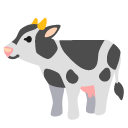


Appearance varies by platform and device. Google Noto, Twemoji, and OpenMoji are open-source.