🧝
The Emoji
Elf
U+1F9DD · :elf:
Trend 62
Meaning layers
- interpretation
- Used to express whimsical, chaotic, or mischievous energy — someone acting unbothered and feral in a magical way. Also used for 'cottagecore' and fantasy aesthetics.
- tiktok usage
- Appears in fantasy cosplay content, 'main character' energy videos, and LOTR/fantasy fandom edits. Also used ironically to describe someone who is small and chaotic.
- irony level
- 5 / 10
Platform meanings
- meaning
- Fantasy identity marker, used in LOTR edits, cosplay videos, and whimsical 'main character' content.
- trend usage
- Used in #ElfCheck and fantasy aesthetic trends, often paired with ethereal music and forest visuals.
- hashtags
- #ElfVibes#FantasyTok#ElfCosplay#CottageCore#LOTRTok
- virality score
- 68 / 100
Cultural meanings
🇺🇸
Western / Gen-Z
Embraced as a fantasy identity marker and used ironically to describe chaotic, mischievous, or ethereal behavior — 'living my elf era 🧝'.
🇵🇰
Pakistan & India
Primarily understood through Western fantasy media like LOTR; used by online fandom communities and gamers but not part of mainstream emoji vocabulary.
🌍
Middle East
Mostly recognized through international fantasy media and gaming; occasionally used in festive/Christmas contexts by expat communities.
🌐
Global Neutral
Universally understood as a fantasy or folklore creature; used in fantasy media discussions worldwide without strong cultural baggage.
🇧🇩
Bangladesh
Limited mainstream use; primarily appears in gamer and fantasy fandom circles influenced by Western media.
🇱🇰
Sri Lanka
Rare in everyday communication; used mainly by younger demographics engaged with Western fantasy media and gaming.
🇨🇳
China
Associated with Western fantasy rather than traditional Chinese mythological creatures; used in gaming and LOTR fan communities online.
🇯🇵
Japan
Connected to the broader fantasy genre (isekai, RPG culture); used in anime and RPG gaming communities, often associated with elf character archetypes common in Japanese media.
🇰🇷
South Korea
Popular in gaming communities (RPG, fantasy games are huge); also used in K-fantasy webtoon and novel fandoms.
🇹🇼
Taiwan
Used in gaming and fantasy media communities; recognized through both Western LOTR and Japanese fantasy RPG influences.
🇭🇰
Hong Kong
Found in gaming and fandom spaces; associated with both Western fantasy films and Japanese RPG elf characters.
🇵🇭
Philippines
Used by gaming communities and fantasy media fans; Christmas elf associations also strong given the Philippines' deep Christmas culture.
🇮🇩
Indonesia
Appears in gaming and fantasy fandom spaces; occasionally associated with local fantasy folklore discussions online.
🇹🇭
Thailand
Used in gaming and fantasy contexts; Thai fantasy media consumers connect it to LOTR and RPG elf archetypes.
🇻🇳
Vietnam
Seen in gaming communities and among younger users engaged with fantasy media; Christmas associations secondary.
🇲🇾
Malaysia
Used among gamers and fantasy media fans; Christmas elf associations present given the country's multicultural holiday awareness.
🇸🇦
Saudi Arabia
Primarily associated with Western fantasy media by younger, gaming-oriented demographics; not tied to local folklore traditions.
🇦🇪
UAE
Used by the cosmopolitan, expat-heavy population in gaming and fantasy contexts; Christmas associations present in expat communities.
🇪🇬
Egypt
Recognized through Western media influence; used primarily by younger, gaming and fantasy-oriented demographics.
🇹🇷
Turkey
Associated with fantasy media and gaming; Turkey has a rich tradition of fantasy literature so elf tropes are well understood online.
🇮🇷
Iran
Recognized through gaming and fantasy media among younger demographics; not tied to Persian mythological traditions.
🇳🇬
Nigeria
Primarily associated with Western fantasy media; Christmas elf associations carry some weight due to Western cultural influence.
🇿🇦
South Africa
Understood through Western fantasy media and gaming culture; Christmas elf associations also common given cultural ties to Western holiday traditions.
🇬🇧
UK & Ireland
Strong Christmas elf associations alongside LOTR and fantasy fandom usage; UK has deep fantasy literature heritage so both ironic and sincere use is common.
🇫🇷
France
Associated with fantasy media and holiday elves; used in gaming communities and LOTR fan spaces with some ironic flair.
🇩🇪
Germany
Connected to Norse/Germanic folklore roots where elves have deep mythological significance; used both sincerely in folklore discussions and in fantasy media fandoms.
🇪🇸
Spain & Italy
Primarily associated with fantasy media and Christmas; used in gaming communities and holiday posts.
🇧🇷
Brazil
Popular in gaming communities and fantasy media fandoms; used with playful and mischievous connotations in Brazilian internet culture.
🇲🇽
Mexico
Used in gaming and fantasy contexts; Christmas elf associations present alongside Day of the Dead-adjacent fantastical creature humor.
🌎
Latin America
Broadly associated with fantasy gaming and Western media; used by younger demographics in gaming and fandom communities across the region.
🇦🇺
Australia & NZ
Strong LOTR associations given New Zealand's filming heritage; used with both sincere fandom pride and playful irony in fantasy and holiday contexts.
How its meaning shifted
- 2010
Did not exist yet; fantasy creature expression relied on text-based descriptions or generic wizard/magic emojis.
- 2015
Still absent from Unicode; fantasy fandoms used workarounds like 👂✨ to suggest elfin traits in online conversations.
- 2020
Recently introduced (2017) and gaining traction in fantasy fandoms, LOTR communities, D&D discussions, and Christmas content as awareness grew.
- 2026
Firmly established across fantasy fandom, cottagecore, and gaming communities; ironic 'elf behavior' usage popularized on TikTok and Threads; seasonal Christmas elf spikes every December.
See it on every platform
Compare with
Emoji combinations
Adjacent emojis
- Often confused with
- fairyperson with pointy hatmage
- Can replace
- fairysparklesmagic wand
Share & embed
Frequently asked
01What does the 🧝 Elf emoji mean?
A fantasy humanoid creature with pointed ears, typically depicted with magical or nature-related connotations, shown as a person with elf-like features.
02What does 🧝 mean on TikTok?
Fantasy identity marker, used in LOTR edits, cosplay videos, and whimsical 'main character' content.
03What does 🧝 mean on WhatsApp?
Playfully calling someone magical, mischievous, or small and cute.
04What does 🧝 mean in Gen-Z slang?
Used to express whimsical, chaotic, or mischievous energy — someone acting unbothered and feral in a magical way. Also used for 'cottagecore' and fantasy aesthetics.
05Is the 🧝 emoji safe to use?
Fantasy creature reference, holiday elf, whimsical identity expression, gaming character class.
06What does 🧝 mean in texting?
Evoking fantasy and magic often signals a desire to escape reality or embrace imaginative identity. The elf archetype represents both innocence and cunning mischief.
07What is the shortcode for 🧝?
The shortcode for Elf is :elf:
08What does 🧝 mean in dating?
Used flirtatiously to suggest someone is otherworldly beautiful, mysterious, or has an ethereal, fairy-like quality — 'you look like an elf 🧝'.
Safety & usage
- Safe meaning
- Fantasy creature reference, holiday elf, whimsical identity expression, gaming character class.
- Caution
- Rarely used in toxic contexts; occasionally weaponized in body-shaming to mock someone's height or appearance as 'elf-like'.
Generally safe; minimal toxic usage potential. May appear in fantasy-themed harassment in rare cases.
How it looks across platforms
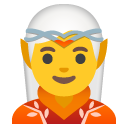


Appearance varies by platform and device. Google Noto, Twemoji, and OpenMoji are open-source.