🧝🏻
The Emoji
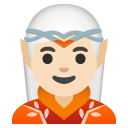
Elf: Light Skin Tone
U+1F9DD U+1F3FB · :elf_light_skin_tone:
Trend 52
Meaning layers
- interpretation
- Used to express a whimsical, magical, or 'not of this world' personality. Gen Z uses it to describe someone who gives ethereal, fairy-core, or cottagecore vibes, or to self-identify as a fantasy-obsessed person.
- tiktok usage
- Appears in fantasy aesthetic content, LOTR/Tolkien edits, DnD TikTok, Elf-on-the-Shelf memes, and 'you have elf energy' comment trends. Also used ironically to call out someone being chaotic or mischievous.
- irony level
- 5 / 10
Platform meanings
- meaning
- Signals fantasy aesthetics, DnD content, LOTR fandom, or cottagecore/elfcore identity. Also used ironically for chaotic or mischievous behavior.
- trend usage
- Frequently paired with LOTR edits, fantasy soundtracks, elf cosplay transformations, and Elf-on-the-Shelf content in December.
- hashtags
- #elfcore#fantasytiktok#dndtok#lotr#elvish
- virality score
- 55 / 100
Cultural meanings
🇺🇸
Western / Gen-Z
Heavily associated with DnD, LOTR fandom, and cottagecore/elfcore aesthetics. Used as a self-identifier for those who embrace fantasy culture and magical thinking.
🇵🇰
Pakistan & India
Relatively uncommon in everyday usage; may be associated with fantasy Bollywood or gaming contexts. Among younger urban users, tied to anime elf characters and fantasy gaming.
🌍
Middle East
Rarely used in traditional contexts; more common among younger, Western-media-influenced users in gaming and anime communities. Not tied to local mythological frameworks.
🌐
Global Neutral
Universally understood as a reference to fantasy elves from Western mythology and media. Carries a whimsical, magical connotation across most cultures regardless of local context.
🇧🇩
Bangladesh
Limited use outside gaming and anime circles. When used, it's typically tied to fantasy mobile games or anime elf characters rather than Western mythology.
🇱🇰
Sri Lanka
Uncommon in mainstream usage; seen occasionally in gaming communities. More likely interpreted through the lens of anime or mobile RPG elf characters.
🇨🇳
China
Associated with elf characters from popular games like World of Warcraft, Genshin Impact, and domestic fantasy novels (仙侠). Used in gaming and cosplay communities.
🇯🇵
Japan
Strongly linked to anime elf characters (e.g., in isekai genres) and fantasy RPGs. Widely recognized and used in gaming, anime, and cosplay communities.
🇰🇷
South Korea
Popular in gaming contexts (e.g., Maple Story, Lost Ark) and fantasy webtoon fandoms. Also used in K-fantasy drama discussions and cosplay culture.
🇹🇼
Taiwan
Used in gaming communities and fantasy media fandoms. Associated with both Western (LOTR) and Eastern (xianxia) fantasy elf archetypes.
🇭🇰
Hong Kong
Recognized primarily through Western media and gaming. Used in cosplay and gaming communities, with some seasonal use during Christmas for the holiday elf interpretation.
🇵🇭
Philippines
Used among gamers and anime fans. Also carries a Christmas elf interpretation given the strong Filipino Christmas culture, making it seasonally popular.
🇮🇩
Indonesia
Primarily used in gaming and anime communities. The fantasy elf archetype is familiar through RPGs and webtoons; not strongly tied to local folklore.
🇹🇭
Thailand
Common among gaming and anime communities. Thai fantasy culture sometimes blends local mythological creatures with Western elf archetypes in fan content.
🇻🇳
Vietnam
Seen in gaming (MOBA, RPG) and anime fandoms. Less common in general chat; more specialized to fantasy subcultures.
🇲🇾
Malaysia
Used in gaming, anime, and fantasy communities. The multicultural nature of Malaysia means it's received neutrally without strong cultural baggage.
🇸🇦
Saudi Arabia
Rare in traditional usage; found mainly among younger gamers and anime fans. Not tied to local mythology; understood through Western gaming and media exposure.
🇦🇪
UAE
Among the more cosmopolitan Gulf states, appears in gaming, cosplay events, and fantasy fan communities in Dubai and Abu Dhabi.
🇪🇬
Egypt
Uncommon outside gaming and Western-media-influenced youth circles. Egypt's rich mythological tradition means local users may find it less culturally resonant than pharaoh-themed symbols.
🇹🇷
Turkey
Used in gaming and fantasy communities. Turkey has a rich tradition of fantasy literature influenced by both Western and Eastern sources, giving the elf emoji moderate traction.
🇮🇷
Iran
Found in gaming and underground fantasy fan communities. Western fantasy media is consumed widely among youth despite restrictions, giving this emoji some relevance.
🇳🇬
Nigeria
Used mainly in urban, tech-savvy gaming communities. Nollywood fantasy does not strongly feature Western elf archetypes, so the emoji is relatively niche.
🇿🇦
South Africa
Used in gaming and cosplay communities, particularly in Cape Town and Johannesburg. Western media influence makes LOTR and DnD elves recognizable.
🇬🇧
UK & Ireland
Strongly associated with LOTR, Tolkien's English roots, and British fantasy literature. Also used in seasonal Christmas elf contexts and panto traditions.
🇫🇷
France
Associated with fantasy RPGs, LOTR, and French fantasy literature (e.g., Tolkien translations are widely read). Bandes dessinées (BD) fantasy culture also gives it traction.
🇩🇪
Germany
Germany has a strong fantasy board game and RPG culture; the elf emoji is well-recognized and used in gaming, LARP, and convention communities.
🇪🇸
Spain & Italy
Used in gaming and fantasy communities. Fantasy RPG and LOTR fandoms are strong in both countries; Italy's Lucca Comics & Games festival particularly drives cosplay usage.
🇧🇷
Brazil
Popular in gaming, anime, and cosplay communities. Brazil's massive gamer base and vibrant cosplay culture give this emoji active use in fantasy contexts.
🇲🇽
Mexico
Used in gaming communities and among fans of fantasy literature. Christmas elf associations are also strong given Mexican holiday traditions.
🌎
Latin America
Broadly recognized through gaming and LOTR media. Cosplay culture across Latin America drives fantasy emoji usage; Christmas elf interpretation also common.
🇦🇺
Australia & NZ
New Zealand's deep connection to LOTR filming locations gives this emoji special cultural resonance. Used heavily in LOTR tourism, fantasy fandoms, and gaming communities.
How its meaning shifted
- 2010
The elf emoji did not exist in 2010. Elves were conveyed using text descriptions, ASCII art, or generic face emojis in fantasy-themed conversations.
- 2015
Still not yet released; fantasy users relied on witch, wizard, or fairy emojis as substitutes in online gaming and fantasy discussions.
- 2020
Newly released and gaining traction post-2017; used primarily in LOTR anniversary content, DnD TikTok rise, Christmas Elf-on-the-Shelf memes, and fantasy cosplay communities.
- 2026
Firmly established in fantasy subculture emoji vocabulary. Used across DnD content, LOTR media events (Amazon series), cottagecore aesthetics, and holiday season content, with growing ironic usage.
See it on every platform
Compare with
Adjacent emojis
- Often confused with
- fairyperson with blond hairperson in steamy room
Share & embed
Frequently asked
01What does the 🧝🏻 Elf: Light Skin Tone emoji mean?
An elf with light skin tone, depicted as a fantasy humanoid creature with pointed ears, often associated with magic, forests, and mythical lore. This is a skin tone modifier variant of the base elf emoji.
02What does 🧝🏻 mean on TikTok?
Signals fantasy aesthetics, DnD content, LOTR fandom, or cottagecore/elfcore identity. Also used ironically for chaotic or mischievous behavior.
03What does 🧝🏻 mean on WhatsApp?
Used casually to describe someone as quirky, magical, or otherworldly. Also sent during Christmas season in Elf-on-the-Shelf conversations.
04What does 🧝🏻 mean in Gen-Z slang?
Used to express a whimsical, magical, or 'not of this world' personality. Gen Z uses it to describe someone who gives ethereal, fairy-core, or cottagecore vibes, or to self-identify as a fantasy-obsessed person.
05Is the 🧝🏻 emoji safe to use?
A playful, whimsical emoji representing fantasy elves, magical identity, or holiday elf characters. Safe for all ages in most contexts.
06What does 🧝🏻 mean in texting?
Elves are archetypally associated with grace, intelligence, and otherworldliness. Using this emoji signals a desire to be seen as magical or special, or to escape mundane reality through fantasy. It can also indicate a playful, mischievous energy.
07What is the shortcode for 🧝🏻?
The shortcode for Elf: Light Skin Tone is :elf_light_skin_tone:
08What does 🧝🏻 mean in dating?
Used playfully in flirtatious messages to suggest someone has an otherworldly or ethereal beauty. 'You look like an elf 🧝🏻' is considered a niche but genuine compliment in fantasy-nerd circles.
Safety & usage
- Safe meaning
- A playful, whimsical emoji representing fantasy elves, magical identity, or holiday elf characters. Safe for all ages in most contexts.
- Caution
- Extremely rare toxic usage; in some niche online spaces it could be used to mock someone's physical appearance (e.g., ear shape) but this is uncommon and not a recognized pattern.
No significant safety concerns. Occasionally used in fantasy roleplay communities which may contain adult themes, but the emoji itself is benign.
How it looks across platforms


Appearance varies by platform and device. Google Noto, Twemoji, and OpenMoji are open-source.