🧚🏽
The Emoji
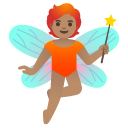
Fairy: Medium Skin Tone
U+1F9DA U+1F3FD · :fairy_medium_skin_tone:
Trend 68
Meaning layers
- interpretation
- Used to express whimsy, magical energy, fairy-tale aesthetics, or to describe someone who is carefree, ethereal, or living in their own fantasy world. Also used to signal 'main character energy' or a dreamy, unbothered attitude.
- tiktok usage
- Appears in cottagecore, dark academia, and fairy aesthetic videos. Used in captions like 'living my fairy life 🧚🏽' or to denote a magical, effortless vibe.
- irony level
- 4 / 10
Platform meanings
- meaning
- Represents fairy aesthetic content, cottagecore vibes, magical transformations, and the 'main character' trope. Also signals an unbothered, chaotic-neutral personality.
- trend usage
- Used in fairy-core TikTok trends, 'day in my life as a fairy' content, aesthetic transformation videos, and ironic 'not my problem' response memes.
- hashtags
- #fairycore#cottagecore#fairyaesthetic#magicvibes#maincharacter
- virality score
- 72 / 100
Cultural meanings
🇺🇸
Western / Gen-Z
Central emoji to the fairycore and cottagecore subcultures; used to signal a whimsical, carefree, nature-connected identity. Also widely used in the ironic 'not my problem' meme format.
🇵🇰
Pakistan & India
Used sincerely to describe someone as magical, angelic, or otherworldly beautiful. Also appears in Bollywood-adjacent content referencing fairy-tale romance tropes (परी/پری - meaning fairy/angel).
🌍
Middle East
Associated with the concept of a magical, ethereal being similar to the Jinn mythology. Used to compliment someone's otherworldly beauty or describe something enchanting.
🌐
Global Neutral
Universally understood as representing magic, fantasy, and whimsy. Broadly used to signal a carefree, enchanting mood without strong cultural-specific connotations.
🇧🇩
Bangladesh
Used to describe someone as ethereally beautiful or magical, similar to the Bengali concept of 'pori' (পরী - fairy). Common in romantic and aesthetic contexts.
🇱🇰
Sri Lanka
Associated with folkloric spirit beings in Sinhala and Tamil culture. Used to describe something or someone as magical and enchanting in casual digital communication.
🇨🇳
China
Less commonly used given different fairy/fantasy traditions (仙女 xiānnǚ - immortal fairy). When used, typically signals a Western aesthetic interest or kawaii-adjacent whimsy.
🇯🇵
Japan
Lightly associated with the 妖精 (yōsei) fairy concept but more commonly linked to kawaii and magical girl aesthetics. Used in fairy-kei fashion and pastel aesthetic communities.
🇰🇷
South Korea
Used in aesthetic and fantasy contexts, often linked to K-pop idol 'fairy-like' visuals. Fans use it to describe idols with ethereal beauty or otherworldly stage presence.
🇹🇼
Taiwan
Associated with fantasy aesthetics and used in creative communities. Appears in content related to fantasy storytelling, idol culture, and cute/whimsical aesthetic posts.
🇭🇰
Hong Kong
Used in lifestyle and aesthetic contexts, often borrowed from Western social media trends. Appears in content related to fantasy fashion and dreamy photography.
🇵🇭
Philippines
Linked to local fairy folklore (engkanto, diwata). Used both sincerely to describe magical beauty and playfully in modern digital communication for whimsical vibes.
🇮🇩
Indonesia
Associated with peri (fairy) in local storytelling traditions. Used to describe someone as magical or beautiful, and appears in fantasy-themed creative content.
🇹🇭
Thailand
Associated with celestial beings in Thai folklore. Used to describe ethereal beauty or magical moments, and popular in aesthetic social media content among Thai youth.
🇻🇳
Vietnam
Used to describe something or someone as magical and enchanting. Appears in aesthetic lifestyle content and fantasy-themed creative posts on Vietnamese social media.
🇲🇾
Malaysia
Associated with peri (fairy) in Malay folklore. Used to describe magical beauty and appears in aesthetic content, often mixing local and Western fantasy concepts.
🇸🇦
Saudi Arabia
Less commonly used due to cultural preferences, but appears among youth on social media to signal a whimsical or magical aesthetic influenced by Western trends.
🇦🇪
UAE
Used among cosmopolitan youth to signal a magical, carefree aesthetic. Appears in lifestyle content and is understood through exposure to global social media trends.
🇪🇬
Egypt
Associated with magical beings in folkloric contexts. Used among youth to describe someone as enchantingly beautiful or to signal a dreamy, fantasy-oriented mood.
🇹🇷
Turkey
Associated with the peri (پری) fairy figure from shared Turco-Persian mythology. Used to describe ethereal beauty or magical moments in digital communication.
🇮🇷
Iran
Strongly resonates with the Persian پری (peri) fairy mythology, which is a beloved cultural figure. Used to describe someone as angelically beautiful or otherworldly.
🇳🇬
Nigeria
Used primarily among younger, social-media-savvy Nigerians to signal a magical, carefree aesthetic. Less tied to local folklore, more to Western social media trends.
🇿🇦
South Africa
Used in urban youth culture to signal a whimsical, carefree identity. Appears in aesthetic social media content and is understood through global platform exposure.
🇬🇧
UK & Ireland
Strongly connected to Celtic and English fairy folklore tradition. Used both sincerely for fairy-tale aesthetics and ironically — the 'not my problem fairy' meme is popular here.
🇫🇷
France
Associated with fée (fairy) from French folklore and fairy tales. Used in aesthetic content and to describe something as magically charming or enchanting (enchanté).
🇩🇪
Germany
Linked to Elfen and fairy-tale (Märchen) traditions. Used in fantasy communities and aesthetic contexts, with some ironic usage among younger German internet users.
🇪🇸
Spain & Italy
Associated with hada/fata (fairy) from Romance language fairy-tale traditions. Used to describe magical beauty, whimsical aesthetics, and enchanting moments in digital content.
🇧🇷
Brazil
Used in aesthetic and fantasy content, often in the context of fada (fairy) imagery. Popular in Brazilian fairy-core communities and to describe someone as magically beautiful.
🇲🇽
Mexico
Associated with hada (fairy) imagery and magical realism cultural aesthetic. Used to describe enchanting beauty and appears in fantasy-themed creative content.
🌎
Latin America
Broadly used across Latin American countries to signal magical aesthetics, describe enchanting beauty, and engage with fairy-tale themed content influenced by both local and global traditions.
🇦🇺
Australia & NZ
Used in cottagecore and fairy aesthetic communities. The ironic 'not my problem fairy' usage is popular, and it appears widely in aesthetic lifestyle and fantasy-themed social media content.
How its meaning shifted
- 2010
The fairy emoji did not exist yet (introduced in 2018). Fantasy and magic were represented by stars, sparkles, and wand emojis in early emoji sets.
- 2015
Still pre-release. Fairy concepts on social media were represented through combinations like ✨🌟💫 or described in text. Fairy aesthetic communities were growing on Tumblr.
- 2020
Newly popular following its 2018 release, gaining traction in cottagecore and fairycore aesthetics that exploded during the COVID-19 pandemic lockdowns. Used sincerely for nature escapism.
- 2026
Dual-purpose emoji: sincerely used in established fairycore/cottagecore aesthetics and widely used in ironic 'not my problem' and 'unbothered' meme contexts. Medium skin tone variant normalized as part of inclusive emoji representation.
See it on every platform
Adjacent emojis
- Opposite
- skullconstruction workerrobot
- Often confused with
- woman elfangelwoman in lotus position
- Can replace
- sparklesmagic wanddizzy
Share & embed
Frequently asked
01What does the 🧚🏽 Fairy: Medium Skin Tone emoji mean?
A fairy with medium skin tone, depicted as a small magical winged humanoid figure, typically shown with wings and a wand, representing folklore fairy creatures.
02What does 🧚🏽 mean on TikTok?
Represents fairy aesthetic content, cottagecore vibes, magical transformations, and the 'main character' trope. Also signals an unbothered, chaotic-neutral personality.
03What does 🧚🏽 mean on WhatsApp?
Sent to describe someone as magical, sweet, or otherworldly. Also used playfully when someone does something surprisingly helpful or when deflecting responsibility.
04What does 🧚🏽 mean in Gen-Z slang?
Used to express whimsy, magical energy, fairy-tale aesthetics, or to describe someone who is carefree, ethereal, or living in their own fantasy world. Also used to signal 'main character energy' or a dreamy, unbothered attitude.
05Is the 🧚🏽 emoji safe to use?
Represents magical fantasy beings, whimsical aesthetics, and carefree energy. Used in fairy-tale, cottagecore, and fantasy creative contexts.
06What does 🧚🏽 mean in texting?
Evokes a sense of escapism and fantasy, psychologically associated with nostalgia for childhood magic and a desire to be carefree. The medium skin tone adds a layer of personal identity and representation.
07What is the shortcode for 🧚🏽?
The shortcode for Fairy: Medium Skin Tone is :fairy_medium_skin_tone:
08What does 🧚🏽 mean in dating?
Used to signal a playful, flirtatious energy — implying the sender is enchanting or magical. Can be used to say 'I'm a little magical and mysterious' without being overtly flirtatious.
Safety & usage
- Safe meaning
- Represents magical fantasy beings, whimsical aesthetics, and carefree energy. Used in fairy-tale, cottagecore, and fantasy creative contexts.
- Caution
- Occasionally used to dismiss or infantilize someone's concerns by implying their problems are not real or are as trivial as fairy tales. Can be used condescendingly.
Generally safe for all audiences. The medium skin tone modifier is positive representation. No significant toxic or NSFW co-optation documented. Mild risk of condescending dismissal in argument contexts.
How it looks across platforms


Appearance varies by platform and device. Google Noto, Twemoji, and OpenMoji are open-source.