🏯
The Emoji
Japanese Castle
U+1F3EF · :japanese_castle:
Trend 48
Meaning layers
- interpretation
- Used to signal aesthetic vibes, Japan travel dreams, anime settings, or ironically to call something 'fortified' or untouchable — like someone's ego or emotional walls.
- tiktok usage
- Appears in Japan travel vlogs, anime aesthetic edits, and 'main character' energy posts. Also used sarcastically when someone acts overly defensive or regal.
- irony level
- 4 / 10
Platform meanings
- meaning
- Signals Japan travel content, anime aesthetic, historical architecture appreciation, or ironic 'royalty behavior'.
- trend usage
- Frequently used in Japan travel vlogs, Studio Ghibli tribute videos, and 'places I must visit' montages with lofi music.
- hashtags
- #JapanTravel#CastleAesthetic#AnimeVibes#VisitJapan#HistoricalPlaces
- virality score
- 52 / 100
Cultural meanings
🇺🇸
Western / Gen-Z
Primarily a Japan travel dream emoji and anime aesthetic symbol; used ironically to call someone unapproachably defensive or self-important.
🇵🇰
Pakistan & India
Appreciated for its architectural grandeur and often compared to Mughal forts; used in travel content and history appreciation posts.
🌍
Middle East
Viewed as an exotic Eastern landmark; used in travel bucket lists and cultural appreciation content, sometimes compared to Islamic fortress architecture.
🌐
Global Neutral
Universally recognized as a symbol of Japanese historical heritage, used in travel, culture, and history contexts across all platforms.
🇧🇩
Bangladesh
Used primarily in travel aspirations and Japan-related cultural content; associated with anime fandom and Japanese pop culture enthusiasm.
🇱🇰
Sri Lanka
Seen as a symbol of exotic Eastern travel; used among anime fans and Japan travel dreamers in social media posts.
🇨🇳
China
Carries nuanced historical connotations given Sino-Japanese history; primarily used in architecture and tourism contexts, occasionally with irony about Japan relations.
🇯🇵
Japan
Deeply meaningful as a symbol of national heritage and pride; used to reference specific castles like Himeji or Osaka and in discussions of samurai history and tourism.
🇰🇷
South Korea
Used in Japan travel content and historical discussions; occasionally appears in K-drama fan posts comparing Japanese and Korean historical aesthetics.
🇹🇼
Taiwan
Used enthusiastically in Japan travel content and cultural appreciation; Taiwan has strong cultural ties with Japan making this emoji warmly received.
🇭🇰
Hong Kong
Common in Japan travel planning content and architecture appreciation; Hong Kong residents frequently visit Japan so this emoji is practically relatable.
🇵🇭
Philippines
Popular among Japan OFWs and anime fans; used in travel wish lists and cultural exchange content celebrating Japanese aesthetics.
🇮🇩
Indonesia
Used in Japan travel dream posts and anime community content; associated with the large and active Indonesian anime fandom.
🇹🇭
Thailand
Heavily used in Japan travel content given Thailand's strong tourism ties with Japan; also appears in anime fan communities and J-culture appreciation posts.
🇻🇳
Vietnam
Used in Japan travel aspirations and by the growing Vietnamese anime fanbase; often paired with cherry blossom and sushi emojis.
🇲🇾
Malaysia
Common in Japan travel content especially among Malaysian Chinese communities with strong Japan cultural ties; used in anime and J-pop fan posts.
🇸🇦
Saudi Arabia
Used in travel content as Saudi tourists frequently visit Japan; appreciated as a symbol of ancient architectural grandeur comparable to historical Islamic fortresses.
🇦🇪
UAE
Popular in luxury travel content as Japan is a top destination for UAE travelers; used to signal refined travel taste and cultural exploration.
🇪🇬
Egypt
Used in historical architecture appreciation content; Egyptians with interests in world history and travel post this alongside other ancient fortifications.
🇹🇷
Turkey
Appreciated for its architectural parallels to Ottoman fortresses; used in history and travel content, particularly in discussions of Eastern architectural traditions.
🇮🇷
Iran
Used in cultural and historical appreciation content; Iranian users interested in Eastern civilizations often use this alongside Persian heritage symbols.
🇳🇬
Nigeria
Used primarily in anime fan communities and Japan travel aspiration posts; part of Nollywood and influencer culture around aspirational travel content.
🇿🇦
South Africa
Used in travel bucket list content and by the active South African anime community; signals cultural curiosity and travel aspiration.
🇬🇧
UK & Ireland
Used in Japan travel planning content, history discussions, and anime fandoms; British enthusiasm for Japan travel makes this emoji commonly understood.
🇫🇷
France
Used in Japan travel and cultural content; given France's deep cultural admiration for Japan (Japonisme), this emoji resonates strongly with French aesthetics.
🇩🇪
Germany
Used in historical architecture discussions and Japan travel content; German precision culture finds appreciation in Japanese craftsmanship symbolized by the castle.
🇪🇸
Spain & Italy
Used in travel bucket list content and cross-cultural architecture comparisons; the visual grandeur appeals to Southern European appreciation for historic buildings.
🇧🇷
Brazil
Very popular in the large Brazilian anime and J-culture community (one of the world's largest); used in Japan travel dreams and otaku culture posts.
🇲🇽
Mexico
Used in anime fan communities and Japan travel aspiration content; Mexico has a growing anime culture that embraces Japanese heritage symbols.
🌎
Latin America
Broadly used across Latin America in anime fan content, Japan travel aspirations, and cultural appreciation posts given Latin America's massive anime fanbase.
🇦🇺
Australia & NZ
Commonly used in Japan travel content as Japan is a top destination for Australians and New Zealanders; also popular in anime and skiing-in-Japan posts.
How its meaning shifted
- 2010
Rarely used, primarily by tech-savvy Japan enthusiasts and travel bloggers to represent actual Japanese castle landmarks in early smartphone emoji days.
- 2015
Gained traction with the rise of anime culture online and Japan travel blogging; used more broadly for Japanese aesthetic content on Instagram and Tumblr.
- 2020
Became a staple in anime aesthetics, Japan travel TikTok content, and lo-fi music communities; ironic usage as a 'fortress of stubbornness' meme began emerging.
- 2026
Established as a core emoji in Japan aesthetic culture, gaming communities (feudal Japan games), and ironic social commentary about emotional walls and unapproachable behavior.
See it on every platform
Adjacent emojis
- Opposite
- housetentderelict house
- Often confused with
- shinto shrinepagodaclassical building
- Can replace
- shinto shrinepagodaeuropean castle
Share & embed
Frequently asked
01What does the 🏯 Japanese Castle emoji mean?
A traditional Japanese castle (shiro), typically depicted as a multi-tiered pagoda-style fortress with white walls and curved roofs, representing feudal Japanese architecture.
02What does 🏯 mean on TikTok?
Signals Japan travel content, anime aesthetic, historical architecture appreciation, or ironic 'royalty behavior'.
03What does 🏯 mean on WhatsApp?
Used when sharing Japan travel plans, recommending historical sites, or describing someone's house/office as overly grand.
04What does 🏯 mean in Gen-Z slang?
Used to signal aesthetic vibes, Japan travel dreams, anime settings, or ironically to call something 'fortified' or untouchable — like someone's ego or emotional walls.
05Is the 🏯 emoji safe to use?
A symbol of Japanese cultural heritage, architecture, history, and travel used in entirely benign and positive contexts across all major platforms.
06What does 🏯 mean in texting?
Triggers feelings of escapism and romanticism about distant or historical places; can evoke a sense of solitude and strength similar to fortress imagery in Jungian archetypes.
07What is the shortcode for 🏯?
The shortcode for Japanese Castle is :japanese_castle:
08What does 🏯 mean in dating?
Rarely used in direct flirting; occasionally used to say 'you live in a castle in my mind' or to describe someone as royalty in a playful compliment.
Safety & usage
- Safe meaning
- A symbol of Japanese cultural heritage, architecture, history, and travel used in entirely benign and positive contexts across all major platforms.
- Caution
- Extremely rare; could theoretically be used in nationalistic Japanese far-right content or in Sino-Japanese political arguments, though this is uncommon.
Virtually no safety concerns. In rare geopolitical discussions between China and Japan, historical context may make usage sensitive, but this is not a common issue.
How it looks across platforms
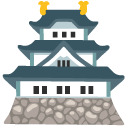


Appearance varies by platform and device. Google Noto, Twemoji, and OpenMoji are open-source.