㊗️
The Emoji
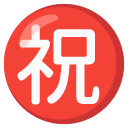
Japanese “congratulations” Button
U+3297 U+FE0F · :japanese_congratulations_button:
Trend 32
Meaning layers
- interpretation
- Rarely used organically by Gen Z; when used, it signals ironic or exaggerated congratulations, often mocking someone's minor 'achievement' or celebrating something absurd. Occasionally used unironically by those who appreciate its retro or niche appeal.
- tiktok usage
- Appears in comment sections to sarcastically congratulate creators on mediocre or chaotic content, e.g., 'You did that ㊗️'. Also used in 'achievement unlocked' style meme formats.
- irony level
- 7 / 10
Platform meanings
- meaning
- Used in comments to mock or ironically celebrate creators, or in videos themed around Japanese culture, anime, or retro internet aesthetics.
- trend usage
- Appears in 'achievement unlocked' trend overlays, congratulatory stitch reactions, and ironic comment spam on viral fails or cringe content.
- hashtags
- #congratulations#japanesemoji#achievementunlocked#animememes#retrointernet
- virality score
- 38 / 100
Cultural meanings
🇺🇸
Western / Gen-Z
Mostly ironic or niche usage — appreciated by anime fans and retro-internet enthusiasts, but largely overlooked by mainstream Gen Z who prefer expressive face emojis. Deployed sarcastically in meme contexts to mock-award minor achievements.
🇵🇰
Pakistan & India
Used in WhatsApp and family group chats to sincerely congratulate on occasions like exams, weddings, job offers, and Eid celebrations. The bold red color is associated with auspiciousness, adding cultural resonance in festive contexts.
🌍
Middle East
Used straightforwardly as a congratulations symbol in messaging apps, though less common than Arabic text expressions. The formality of the symbol aligns with regional values of honoring achievements with gravity.
🌐
Global Neutral
Universally recognized as a congratulations indicator due to its label in emoji keyboards; serves as a cross-cultural celebration marker when language barriers exist.
🇧🇩
Bangladesh
Used in academic and family achievement contexts — exam results, promotions, and religious celebrations. WhatsApp group usage is most prevalent, where the visual symbol communicates across literacy levels.
🇱🇰
Sri Lanka
Appears in congratulatory messages for academic, professional, and religious milestones. Appreciated for its clear visual meaning, especially in multilingual messaging contexts.
🇨🇳
China
Although the kanji '祝' is shared with Chinese (zhù, meaning 'wish' or 'congratulate'), this emoji is associated with Japanese branding. Used in congratulatory messages but may be perceived as culturally Japanese rather than universally East Asian.
🇯🇵
Japan
Deeply culturally resonant — '祝' is a formal congratulatory character seen on banners, gifts, and ceremonial envelopes. Used both digitally and as a reference to real-world celebratory signage; carries genuine formality and warmth.
🇰🇷
South Korea
Recognized through exposure to Japanese pop culture and kanji familiarity; used in congratulatory messages and K-pop fan communities to celebrate artist achievements, comebacks, and milestones.
🇹🇼
Taiwan
Highly familiar due to shared kanji literacy; used sincerely in digital congratulations for graduations, business openings, and National Day celebrations with understood cultural weight.
🇭🇰
Hong Kong
Used fluently given kanji literacy and Japanese cultural influence; appears in professional and personal congratulatory messages, especially in business announcements and social media milestone posts.
🇵🇭
Philippines
Used in celebratory messages influenced by K-pop and anime fandoms; appears in graduation, birthday, and achievement posts with genuine congratulatory intent, often mixed with other festive emojis.
🇮🇩
Indonesia
Common in WhatsApp and Instagram congratulatory messages, often used alongside 🎉 and 🥳 for graduations, promotions, and Eid. Appreciated for its bold visual clarity in group celebrations.
🇹🇭
Thailand
Popular among anime and Japanese pop culture fans; used sincerely in congratulatory social media posts and LINE messaging. The formal aesthetic aligns with Thai cultural values of respectful celebration.
🇻🇳
Vietnam
Used in digital congratulations, particularly in academic and career contexts. Younger users familiar with anime and Japanese culture use it with awareness of its origin; older users treat it as a generic congratulations symbol.
🇲🇾
Malaysia
Widely used across multicultural Malaysia in congratulatory messages for Hari Raya, Deepavali, Chinese New Year achievements, and graduations. The shared kanji recognition among Chinese Malaysians adds cultural familiarity.
🇸🇦
Saudi Arabia
Used in messaging apps to mark formal congratulations for milestones like weddings, promotions, and Vision 2030 achievements. The formality of the button design resonates with Saudi communication norms around honoring success.
🇦🇪
UAE
Used in cosmopolitan digital communication to congratulate on business achievements, national milestones, and personal events. The multicultural population includes many East Asian expats who recognize its Japanese origin.
🇪🇬
Egypt
Used straightforwardly in WhatsApp and Facebook messages as a congratulations symbol. Most users interpret it at face value without cultural nuance; associated with formal digital celebrations.
🇹🇷
Turkey
Used in social media congratulations posts, especially for academic achievements and sports victories. Younger Turkish users familiar with anime may use it with cultural awareness, while others treat it as a generic celebration emoji.
🇮🇷
Iran
Appears in Telegram and Instagram congratulatory messages for significant personal and national achievements. The bold red design is visually striking and associated with celebratory energy in Persian color symbolism.
🇳🇬
Nigeria
Used in WhatsApp and Twitter congratulatory messages, particularly for graduations, business launches, and social media milestones. Often paired with other celebratory emojis in festive message chains.
🇿🇦
South Africa
Used in multicultural digital communication to mark celebrations and achievements. More common among younger users familiar with Japanese culture through anime and gaming communities.
🇬🇧
UK & Ireland
Used ironically in meme culture and sarcastically on X and Reddit to mock-award achievements; also used genuinely in niche anime and Japanese culture communities. Less common in mainstream UK digital communication than 🎉.
🇫🇷
France
Appears in congratulatory messages among anime and manga enthusiasts. Mainstream usage is limited due to unfamiliarity with Japanese kanji symbolism, but the bold aesthetic appeals to design-conscious French users.
🇩🇪
Germany
Used in straightforward congratulatory contexts by users who recognize its meaning; popular in anime and Japanese culture communities. German digital communication tends toward clarity, making the labeled button emoji functionally appealing.
🇪🇸
Spain & Italy
Common in anime fandom communities and among younger social media users familiar with Japanese culture. Used sincerely in celebratory posts for graduations, football victories, and personal milestones.
🇧🇷
Brazil
Popular among Brazil's large anime and Japanese-Brazilian community; used both sincerely and ironically. Brazilian internet culture embraces playful emoji use, making this emoji appear in meme contexts as a mock-official stamp.
🇲🇽
Mexico
Used in congratulatory messages among anime fans and in ironic meme contexts. Mexican internet culture's love of humor means this emoji is often deployed sarcastically to celebrate absurd or minor achievements.
🌎
Latin America
Used across Latin America in anime fandom spaces and general congratulatory messaging. The visual clarity of the button transcends language barriers, making it a functional celebration marker in diverse digital communities.
🇦🇺
Australia & NZ
Used ironically in Australian and NZ internet culture, particularly on Reddit and X, to sarcastically award 'official congratulations' to fails or absurdities. Also used genuinely in Japanese culture communities and multicultural celebrations.
How its meaning shifted
- 2010
Primarily used in Japanese mobile messaging as a genuine congratulatory symbol, consistent with its real-world signage counterpart. Limited global usage due to restricted emoji keyboard access and low awareness outside Japan.
- 2015
Gained broader usage as emoji became standardized across platforms. Non-Japanese users began adopting it as a formal-looking alternative to 🎉, though meaning remained largely sincere. Anime communities started using it as cultural shorthand.
- 2020
Ironic and meme usage exploded alongside the rise of irony culture on TikTok and Twitter. Used as mock-official awards in meme formats, achievement unlocked templates, and sarcastic congratulations. Retro-internet aesthetic trend increased its niche appeal.
- 2026
Primarily an irony-coded emoji in Western internet culture, used in niche meme formats and retro-aesthetic content. Remains sincerely used in Japan, East Asia, and South/Southeast Asian messaging apps. Increasingly featured in Y2K and early-internet nostalgia aesthetics.
See it on every platform
Compare with
Adjacent emojis
- Often confused with
- red circlejapanese secret buttonjapanese prohibited button
- Can replace
- party poppertrophyhundred points
Share & embed
Frequently asked
01What does the ㊗️ Japanese “congratulations” Button emoji mean?
A red square button featuring the Japanese kanji character '祝' (shuku/iwai), meaning 'congratulations' or 'celebration'. Used to mark celebratory occasions, achievements, and festivities.
02What does ㊗️ mean on TikTok?
Used in comments to mock or ironically celebrate creators, or in videos themed around Japanese culture, anime, or retro internet aesthetics.
03What does ㊗️ mean on WhatsApp?
Sent to genuinely congratulate someone on milestones like graduations, promotions, or new babies, especially in communities familiar with Japanese emoji sets.
04What does ㊗️ mean in Gen-Z slang?
Rarely used organically by Gen Z; when used, it signals ironic or exaggerated congratulations, often mocking someone's minor 'achievement' or celebrating something absurd. Occasionally used unironically by those who appreciate its retro or niche appeal.
05Is the ㊗️ emoji safe to use?
A celebratory emoji used to mark congratulations, achievements, and joyful milestones. Completely safe for all audiences in its standard usage.
06What does ㊗️ mean in texting?
This emoji carries a culturally formal emotional weight — it signals recognition and honor rather than casual excitement. Psychologically, it evokes a sense of official acknowledgment, similar to receiving a certificate or trophy, which can feel more meaningful than generic celebration emojis.
07What is the shortcode for ㊗️?
The shortcode for Japanese “congratulations” Button is :japanese_congratulations_button:
08What does ㊗️ mean in dating?
Almost never used in flirtatious contexts. If used, it might appear as a quirky, nerdy way to congratulate a date on something, signaling playful personality rather than romantic intent.
Safety & usage
- Safe meaning
- A celebratory emoji used to mark congratulations, achievements, and joyful milestones. Completely safe for all audiences in its standard usage.
- Caution
- When used sarcastically in targeted harassment contexts, it can function as a mocking 'award' to belittle someone's failure or humiliate them publicly — though this requires significant contextual framing to be harmful.
Minimal risk emoji. The primary concern is potential cultural insensitivity from non-Japanese users who misuse or mock the kanji character without understanding its formal cultural significance in Japan. Not weaponizable in any serious capacity.
How it looks across platforms


Appearance varies by platform and device. Google Noto, Twemoji, and OpenMoji are open-source.