👨🏿❤️💋👨🏽
The Emoji
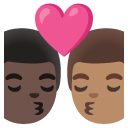
Kiss: Man, Man, Dark Skin Tone, Medium Skin Tone
U+1F468 U+1F3FF U+200D U+2764 U+FE0F U+200D U+1F48B U+200D U+1F468 U+1F3FD · :kiss_man_man_dark_skin_tone_medium_skin_tone:
Trend 58
Meaning layers
- interpretation
- Used to celebrate queer male relationships, show pride, or express affection between male-identifying individuals across racial or skin tone diversity.
- tiktok usage
- Appears in coming-out videos, pride content, interracial couple vlogs, and wholesome LGBTQ+ relationship montages.
- irony level
- 1 / 10
Platform meanings
- meaning
- Symbol of gay male romance and interracial/skin-tone-diverse queer love, frequently used in pride and relationship content.
- trend usage
- Paired with trending sounds about love and identity; used in #PrideMonth challenges, coming-out stories, and couple reveal videos.
- hashtags
- #GayCouple#PrideMonth#QueerLove#LGBTQRepresentation#InterracialLove
- virality score
- 62 / 100
Cultural meanings
🇺🇸
Western / Gen-Z
Widely embraced as a natural representation of gay male couples with diverse skin tones; used freely and positively in online spaces as a symbol of love and pride.
🇵🇰
Pakistan & India
Rarely used publicly due to social stigma and legal context around same-sex relationships; within underground LGBTQ+ communities it may be used carefully as a discreet identity signal.
🌍
Middle East
Largely avoided or considered taboo due to legal and religious prohibitions on same-sex relationships; occasionally used by diaspora or activist accounts as a statement of resistance.
🌐
Global Neutral
Recognized internationally as a symbol of same-sex male romantic love; interpretation varies widely from celebration to controversy depending on local context.
🇧🇩
Bangladesh
Not commonly used due to strict social and legal norms against homosexuality; limited to private LGBTQ+ digital spaces or international-facing social media accounts.
🇱🇰
Sri Lanka
Used rarely in public; small LGBTQ+ communities may use it privately as part of identity expression while navigating a conservative social environment.
🇨🇳
China
Usage is suppressed by platform censorship and social conservatism; may be used in private chats or VPN-accessed platforms by LGBTQ+ individuals as a quiet identity marker.
🇯🇵
Japan
Used within LGBTQ+ communities and among younger progressive users; Japan's generally tolerant but non-vocal cultural attitude means it appears more in online spaces than offline.
🇰🇷
South Korea
Used within the growing Korean LGBTQ+ community, especially online; faces backlash in conservative circles but is becoming more visible in younger, urban digital culture.
🇹🇼
Taiwan
Widely and positively used given Taiwan's status as the first Asian country to legalize same-sex marriage; seen as a celebratory symbol of love and equality.
🇭🇰
Hong Kong
Used positively by the LGBTQ+ community and allies, though political tension has added complexity to public identity expression in recent years.
🇵🇭
Philippines
Used openly among LGBTQ+ communities and allies in a country with relatively high visibility for gay culture; still navigates conservative Catholic social norms.
🇮🇩
Indonesia
Used cautiously due to growing anti-LGBTQ+ sentiment and legal pressures; primarily appears in private or diaspora digital spaces.
🇹🇭
Thailand
Used positively, especially in LGBTQ+-friendly urban areas and tourist contexts; Thailand's visible kathoey and gay culture makes this emoji relatively accepted.
🇻🇳
Vietnam
Used within smaller LGBTQ+ online communities; social acceptance is growing slowly but public use remains limited due to traditional family values.
🇲🇾
Malaysia
Rarely used publicly due to legal prohibitions on same-sex relationships; restricted to private LGBTQ+ networks and diaspora communities.
🇸🇦
Saudi Arabia
Effectively avoided in public digital spaces due to strict legal and religious prohibitions; any use is confined to anonymous or diaspora accounts.
🇦🇪
UAE
Not used in mainstream public digital spaces due to legal restrictions; occasionally seen in expat or diaspora LGBTQ+ communities online.
🇪🇬
Egypt
Avoided publicly due to social conservatism and legal risk; used only in private or anonymous LGBTQ+ digital spaces.
🇹🇷
Turkey
Once more visible during Istanbul Pride era, now used more cautiously as LGBTQ+ events face government bans; still present in activist and diaspora digital spaces.
🇮🇷
Iran
Essentially unused in public due to severe legal penalties for homosexuality; only appears in diaspora or anonymous activist accounts.
🇳🇬
Nigeria
Avoided in public use due to legal prohibitions and strong social stigma; present in diaspora and activist communities outside the country.
🇿🇦
South Africa
Used positively, particularly in urban areas, as South Africa has constitutional protections for LGBTQ+ rights and an active pride culture.
🇬🇧
UK & Ireland
Freely used and celebrated; both countries have strong LGBTQ+ rights cultures and the emoji appears regularly in relationship content, pride events, and ally messaging.
🇫🇷
France
Used openly as France has robust LGBTQ+ protections and a culturally progressive stance on sexuality; appears in couple content and pride celebrations.
🇩🇪
Germany
Widely accepted and used in a country with strong LGBTQ+ rights; appears in pride content, relationship posts, and diversity campaigns.
🇪🇸
Spain & Italy
Spain uses it freely with strong pride culture; Italy has a more mixed reception due to conservative political currents but urban LGBTQ+ communities embrace it openly.
🇧🇷
Brazil
Used extensively given Brazil's massive pride events and vibrant LGBTQ+ community, though juxtaposed against ongoing political challenges to queer rights.
🇲🇽
Mexico
Used positively in urban LGBTQ+ communities, especially in Mexico City; navigates tension between progressive urban attitudes and conservative regional cultures.
🌎
Latin America
Usage varies significantly by country; urban LGBTQ+ communities across Latin America use it actively, while more conservative regions limit public expression.
🇦🇺
Australia & NZ
Freely and positively used following same-sex marriage legalization; both countries have active pride cultures and the emoji appears regularly in couple and community content.
How its meaning shifted
- 2010
This specific emoji did not exist; same-sex couples had minimal representation in emoji sets and LGBTQ+ digital expression relied on text-based symbols like <3 and rainbow flags.
- 2015
Early versions of couple kiss emojis began appearing but lacked skin tone diversity; same-sex kiss emojis were rare and often required third-party keyboard apps.
- 2020
With expanded Unicode support, skin tone combinations for same-sex couple emojis became more available; usage surged during pandemic-era digital pride celebrations.
- 2026
A normalized and celebrated emoji used by gay couples, allies, and LGBTQ+ content creators globally; integrated into mainstream digital communication alongside calls for even broader representation.
See it on every platform
Adjacent emojis
- Often confused with
- two men holding handshandshakepeople hugging
- Can replace
- red heartkiss markrainbow flag
Share & embed
Frequently asked
01What does the 👨🏿❤️💋👨🏽 Kiss: Man, Man, Dark Skin Tone, Medium Skin Tone emoji mean?
A kiss emoji depicting two men with dark skin tone and medium skin tone locked in a romantic kiss, represented by a heart and lips symbol between them.
02What does 👨🏿❤️💋👨🏽 mean on TikTok?
Symbol of gay male romance and interracial/skin-tone-diverse queer love, frequently used in pride and relationship content.
03What does 👨🏿❤️💋👨🏽 mean on WhatsApp?
Sent between gay male partners as a kiss or romantic gesture, or by friends showing support for LGBTQ+ loved ones.
04What does 👨🏿❤️💋👨🏽 mean in Gen-Z slang?
Used to celebrate queer male relationships, show pride, or express affection between male-identifying individuals across racial or skin tone diversity.
05Is the 👨🏿❤️💋👨🏽 emoji safe to use?
A positive representation of romantic love between two men with different skin tones, used to celebrate LGBTQ+ relationships and diversity.
06What does 👨🏿❤️💋👨🏽 mean in texting?
This emoji carries significant emotional weight for LGBTQ+ individuals as it validates their identity and relationships in digital spaces, often serving as a quiet but powerful act of self-expression.
07What is the shortcode for 👨🏿❤️💋👨🏽?
The shortcode for Kiss: Man, Man, Dark Skin Tone, Medium Skin Tone is :kiss_man_man_dark_skin_tone_medium_skin_tone:
08What does 👨🏿❤️💋👨🏽 mean in dating?
Used by gay or bisexual men to signal romantic interest or affection toward another man, especially when celebrating their bond publicly.
Safety & usage
- Safe meaning
- A positive representation of romantic love between two men with different skin tones, used to celebrate LGBTQ+ relationships and diversity.
- Caution
- Can be weaponized in harassment campaigns targeting LGBTQ+ individuals or used to taunt people in homophobic contexts.
In regions where same-sex relationships are criminalized or heavily stigmatized, using this emoji publicly can expose individuals to real-world harm. Platforms should be aware of geolocation-based risk when content containing this emoji is amplified.
How it looks across platforms
Appearance varies by platform and device. Google Noto, Twemoji, and OpenMoji are open-source.