👨🏾❤️💋👨🏽
The Emoji
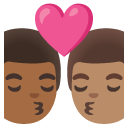
Kiss: Man, Man, Medium-dark Skin Tone, Medium Skin Tone
U+1F468 U+1F3FE U+200D U+2764 U+FE0F U+200D U+1F48B U+200D U+1F468 U+1F3FD · :kiss_man_man_mediumdark_skin_tone_medium_skin_tone:
Trend 58
Meaning layers
- interpretation
- Used to celebrate queer love, show support for gay couples, or express that two men are romantically involved. Often used proudly in queer spaces or as an ally signal.
- tiktok usage
- Appears in LGBTQ+ content, pride-related videos, couple reveal videos, and queer relationship content. Used in captions like 'him and him 💋' or pride month tributes.
- irony level
- 2 / 10
Platform meanings
- meaning
- Represents gay male romance, used in LGBTQ+ couple content, pride celebrations, and queer storytelling videos.
- trend usage
- Featured in pride month compilations, gay couple day-in-the-life videos, queer coming-out stories, and LGBTQ+ community support videos.
- hashtags
- #GayCouple#QueerLove#PrideMonth#LGBTQPlus#GayTikTok
- virality score
- 62 / 100
Cultural meanings
🇺🇸
Western / Gen-Z
Widely embraced as a positive symbol of gay love and LGBTQ+ representation; used freely in social media, dating apps, and everyday digital communication among queer and allied Gen Z users.
🇵🇰
Pakistan & India
Rarely used openly due to social stigma around same-sex relationships; may appear in private LGBTQ+ communities or among urban progressive youth but is generally avoided in mainstream communication.
🌍
Middle East
Largely taboo due to legal and religious prohibitions on same-sex relationships in most countries; its use is almost exclusively confined to private LGBTQ+ underground communities or diaspora users.
🌐
Global Neutral
Internationally recognized as representing a romantic kiss between two men; interpretation varies widely based on local cultural attitudes toward LGBTQ+ relationships.
🇧🇩
Bangladesh
Extremely rare in public usage due to strong social and legal taboos against same-sex relationships; may circulate privately among small LGBTQ+ communities but is effectively hidden.
🇱🇰
Sri Lanka
Seldom used openly given conservative social attitudes; may appear among progressive or internationally connected youth but is largely avoided in mainstream digital spaces.
🇨🇳
China
Used cautiously due to government censorship and social conservatism around LGBTQ+ topics; exists in private queer communities and on platforms like Weibo in niche LGBTQ+ circles before potential removal.
🇯🇵
Japan
Used in LGBTQ+ communities and among allies, particularly in urban areas; Japan's generally tolerant but non-vocal stance means it appears in queer spaces without mainstream controversy.
🇰🇷
South Korea
Used within Korea's growing but still underground LGBTQ+ community; mainstream usage is limited due to conservative societal attitudes but is more visible among younger progressive demographics.
🇹🇼
Taiwan
Freely used and celebrated given Taiwan's status as the first Asian country to legalize same-sex marriage; appears across mainstream social media with pride and positive reception.
🇭🇰
Hong Kong
Used among LGBTQ+ communities and allies; despite recent political changes, queer digital spaces still actively use this emoji to express gay romance and pride.
🇵🇭
Philippines
Moderately used in a country with high social media engagement and a visible LGBTQ+ community; accepted in queer-friendly spaces though mixed reception in conservative or religious contexts.
🇮🇩
Indonesia
Rarely used publicly due to significant social and religious conservatism around LGBTQ+ issues; restricted to private or underground queer communities online.
🇹🇭
Thailand
Relatively accepted given Thailand's visible LGBTQ+ culture and tolerance; used in queer communities, LGBTQ+ tourism content, and by allies without major controversy.
🇻🇳
Vietnam
Used cautiously in a socially conservative environment that is slowly becoming more tolerant; appears in urban LGBTQ+ communities and among younger internet users engaging with queer content.
🇲🇾
Malaysia
Rarely used openly due to strong legal and religious opposition to same-sex relationships; confined to private LGBTQ+ communications or used by diaspora and progressive communities online.
🇸🇦
Saudi Arabia
Effectively taboo and potentially dangerous to use publicly; same-sex relationships are criminalized and this emoji would only appear in deeply private or encrypted communications.
🇦🇪
UAE
Similar to Saudi Arabia, its use is heavily restricted due to legal prohibition of same-sex relationships; confined to expat communities or private digital spaces.
🇪🇬
Egypt
Used only in underground LGBTQ+ spaces given strong social and legal hostility toward same-sex relationships; extremely rare in public digital communication.
🇹🇷
Turkey
Increasingly rare in public digital spaces as social conservatism grows; used among Turkey's resilient LGBTQ+ community especially around İstanbul Pride events despite government restrictions.
🇮🇷
Iran
Virtually absent from public digital communication due to severe legal penalties for same-sex relationships; may exist in encrypted private spaces among Iranian LGBTQ+ individuals.
🇳🇬
Nigeria
Extremely rare in public usage given strong legal prohibitions and social stigma; exists only in deeply private LGBTQ+ networks and among diaspora communities abroad.
🇿🇦
South Africa
Relatively openly used given South Africa's constitutional protections for LGBTQ+ rights and a visible queer community, especially in urban centers like Cape Town and Johannesburg.
🇬🇧
UK & Ireland
Widely accepted and used freely; both countries have strong LGBTQ+ rights frameworks and this emoji is a normal part of queer expression in everyday digital communication.
🇫🇷
France
Used openly in France's generally secular and progressive social environment; appears in LGBTQ+ communities and mainstream ally spaces without significant controversy.
🇩🇪
Germany
Freely used in one of Europe's most LGBTQ+-friendly countries; common in queer communities, Pride content, and among younger generations expressing allyship.
🇪🇸
Spain & Italy
Broadly accepted in Spain with its strong LGBTQ+ rights history; somewhat more varied in Italy where public attitudes are more conservative in certain regions but still used in progressive urban spaces.
🇧🇷
Brazil
Widely used in Brazil's large and vibrant LGBTQ+ community; Brazil hosts the world's largest Pride parade and this emoji is a staple of queer Brazilian digital culture.
🇲🇽
Mexico
Used in Mexico's growing LGBTQ+ visibility spaces; more common in urban areas like Mexico City and among younger generations, though conservative regions may view it negatively.
🌎
Latin America
Usage varies significantly across Latin America; more visible in progressive urban hubs and queer communities, but restricted in conservative regions with strong religious influence.
🇦🇺
Australia & NZ
Freely and widely used following marriage equality legislation in both countries; a normalized part of LGBTQ+ digital expression and mainstream ally culture.
How its meaning shifted
- 2010
This specific emoji did not exist in 2010; same-sex couple representation in emoji was entirely absent and LGBTQ+ digital expression relied on text-based symbols and Pride flag imagery.
- 2015
Same-sex couple emojis began emerging following Unicode updates; initial versions lacked skin tone diversity and this specific combination was not yet available, but the concept was gaining momentum post-marriage equality rulings.
- 2020
Became more widely available with ZWJ (Zero Width Joiner) sequence support across platforms; used prominently during COVID-era Pride Month celebrations when in-person events were canceled and digital expression surged.
- 2026
A normalized part of LGBTQ+ digital vocabulary; used across all major platforms with consistent rendering, featured in brand Pride campaigns, and embraced by a generation that views queer representation in emoji as standard.
See it on every platform
Adjacent emojis
- Often confused with
- people hugginghandshakekiss man woman
- Can replace
- rainbow flagred heartkiss mark
Share & embed
Frequently asked
01What does the 👨🏾❤️💋👨🏽 Kiss: Man, Man, Medium-dark Skin Tone, Medium Skin Tone emoji mean?
A kiss emoji depicting two men with medium-dark and medium skin tones, shown with a heart and kissing lips to represent romantic affection between same-sex male partners.
02What does 👨🏾❤️💋👨🏽 mean on TikTok?
Represents gay male romance, used in LGBTQ+ couple content, pride celebrations, and queer storytelling videos.
03What does 👨🏾❤️💋👨🏽 mean on WhatsApp?
Sent between gay partners as a kiss or affection signal, or by allies supporting LGBTQ+ friends.
04What does 👨🏾❤️💋👨🏽 mean in Gen-Z slang?
Used to celebrate queer love, show support for gay couples, or express that two men are romantically involved. Often used proudly in queer spaces or as an ally signal.
05Is the 👨🏾❤️💋👨🏽 emoji safe to use?
A representation of romantic love and affection between two men; used to celebrate LGBTQ+ relationships, express gay pride, and show allyship.
06What does 👨🏾❤️💋👨🏽 mean in texting?
This emoji carries significant emotional weight for many LGBTQ+ individuals as it provides representation and validation. For queer users it signals belonging, visibility, and unapologetic self-expression.
07What is the shortcode for 👨🏾❤️💋👨🏽?
The shortcode for Kiss: Man, Man, Medium-dark Skin Tone, Medium Skin Tone is :kiss_man_man_mediumdark_skin_tone_medium_skin_tone:
08What does 👨🏾❤️💋👨🏽 mean in dating?
Used by gay or queer men to signal romantic interest, flirt playfully, or confirm mutual attraction in DMs and dating app conversations.
Safety & usage
- Safe meaning
- A representation of romantic love and affection between two men; used to celebrate LGBTQ+ relationships, express gay pride, and show allyship.
- Caution
- Can be weaponized in homophobic harassment contexts where it is sent mockingly to straight men to provoke or demean; in rare cases used to out people without consent.
Use of this emoji in certain regions carries real-world risks given local laws against same-sex relationships. It should be used with awareness of the audience's cultural and legal context. Avoid using it to mock or forcibly associate it with individuals without their consent.
How it looks across platforms
Appearance varies by platform and device. Google Noto, Twemoji, and OpenMoji are open-source.