🐆
The Emoji
Leopard
U+1F406 · :leopard:
Trend 55
Meaning layers
- interpretation
- Used to convey being fast, stealthy, stylish, or dangerously attractive — 'moving in silence like a leopard.' Also used for wild, untamed energy or flexing a bold fashion choice (especially leopard print).
- tiktok usage
- Appears in outfit videos featuring leopard print, hype-beast aesthetics, or videos about moving strategically and quietly before a big reveal.
- irony level
- 3 / 10
Platform meanings
- meaning
- Represents speed, stealth, fierce aesthetics, and bold fashion choices; used in transformation videos or 'moving in silence' content.
- trend usage
- Paired with leopard print OOTD videos, 'glow up' montages, predator/prey relationship metaphors, and hustle culture content.
- hashtags
- #LeopardPrint#WildFashion#MovingInSilence#FierceVibes#AnimalPrint
- virality score
- 58 / 100
Cultural meanings
🇺🇸
Western / Gen-Z
Represents fierce fashion, stealthy confidence, and 'moving in silence' hustle culture energy; heavily tied to leopard print aesthetics and independent identity.
🇵🇰
Pakistan & India
Associated with power, wildness, and natural beauty; also used culturally to reference the Indian leopard in conservation discourse and occasionally in cricket hype contexts.
🌍
Middle East
Symbolizes royalty, power, and prestige — historically leopards and cheetahs were kept by royalty; the emoji carries connotations of luxury and elite status.
🌐
Global Neutral
Universally recognized as a wild, dangerous, and beautiful big cat; used cross-culturally to signal speed, ferocity, and untamed natural power.
🇧🇩
Bangladesh
Used in wildlife contexts referencing the clouded leopard found in the Chittagong Hill Tracts; also appears in fashion and bold personality expressions online.
🇱🇰
Sri Lanka
Deeply connected to the Sri Lankan leopard (Panthera pardus kotiya), a national symbol; used with strong conservation and national pride connotations.
🇨🇳
China
The leopard (豹) is associated with speed and bravery in Chinese culture; used in gaming, sports hype, and occasionally in fashion contexts influenced by Western trends.
🇯🇵
Japan
Used in anime and manga fandom contexts for fierce, agile characters; also appears in fashion communities embracing leopard print (豹柄) which is especially popular in Osaka culture.
🇰🇷
South Korea
Used in K-fashion and K-pop fan communities to describe bold, fierce idol looks or high-fashion animal print moments; associated with luxury streetwear aesthetics.
🇹🇼
Taiwan
Used in wildlife discussions and outdoor adventure content; also appears in fashion contexts where animal print is used to signal bold, Western-influenced style.
🇭🇰
Hong Kong
Associated with luxury fashion and bold personal style; used in Cantonese pop culture to express something being 'wildly impressive' or unexpectedly fierce.
🇵🇭
Philippines
Used in wildlife conservation posts and social media to discuss the Palawan leopard cat; also used casually to describe fierce, confident, or fashionably bold people.
🇮🇩
Indonesia
Connected to the Javan leopard in conservation conversations; also used in fashion and fitness communities to signal wild strength and bold energy.
🇹🇭
Thailand
Used in wildlife and national park discussions; also popular in fitness culture and Muay Thai communities to symbolize explosive speed and predatory skill.
🇻🇳
Vietnam
Primarily used in wildlife and nature photography contexts; also appears in gaming communities to signify agile, fast-moving characters or strategies.
🇲🇾
Malaysia
Used in eco-tourism and wildlife conservation contexts referencing the Malayan leopard; also appears in fashion communities celebrating animal print trends.
🇸🇦
Saudi Arabia
Carries connotations of royal heritage and elite power — the Arabian leopard is critically endangered and symbolic; used in conservation campaigns and luxury brand contexts.
🇦🇪
UAE
Strongly associated with luxury, prestige, and Emirati heritage — the Arabian leopard features in conservation efforts backed by royal families; used in high-fashion and prestige branding.
🇪🇬
Egypt
Connected to ancient Egyptian symbolism where leopard skins represented power and priestly authority; modern use focuses on fashion and fierce personality expression.
🇹🇷
Turkey
Used in fashion and lifestyle communities to signal bold, Western-influenced style; also appears in wildlife contexts discussing Anatolian leopard conservation.
🇮🇷
Iran
The Persian leopard is a national symbol of strength; used in conservation contexts, national pride posts, and metaphorically to describe someone of great power or skill.
🇳🇬
Nigeria
Used to signal power, prestige, and fierce competitiveness — the leopard is a symbol of royalty in many Nigerian cultures; popular in fashion and music hype contexts.
🇿🇦
South Africa
Part of the 'Big Five' wildlife experience; used extensively in safari tourism content, wildlife photography, and conservation campaigns with genuine cultural reverence.
🇬🇧
UK & Ireland
Primarily associated with leopard print fashion — a staple of British working-class and glam fashion culture; used humorously and affectionately in fashion discourse.
🇫🇷
France
Tied to high fashion — leopard print (imprimé léopard) is a perennial Parisian style; used in fashion discourse to signal timeless boldness and effortless chic.
🇩🇪
Germany
Used in wildlife and nature contexts more literally; in fashion communities it appears in discussions of bold pattern choices; also used in sports for explosive athletic performance.
🇪🇸
Spain & Italy
Heavily associated with luxury fashion and Mediterranean boldness — leopard print is a beloved pattern in both cultures; used to signal fierce elegance and passionate energy.
🇧🇷
Brazil
Connected to the broader jaguar/leopard big-cat symbolism in South American wildlife; used in fashion, carnival aesthetics, and to signal fierce, untamed energy.
🇲🇽
Mexico
Similar to Brazil, tied to big-cat symbolism with pre-Columbian roots — the jaguar and leopard are conflated; used in street fashion, lucha libre aesthetics, and fierce identity expression.
🌎
Latin America
Broadly used across Latin America to signal wildness, boldness, and jungle power; appears in music (reggaeton, trap Latino), fashion, and fierce personality expression.
🇦🇺
Australia & NZ
Used in wildlife and exotic animal discussions (leopards are not native but seen in zoos); popular in fashion communities for leopard print and in fitness culture for explosive power metaphors.
How its meaning shifted
- 2010
Primarily used literally to represent the leopard animal in early smartphone emoji adoption; limited creative or metaphorical use, mostly in wildlife and nature conversations.
- 2015
Began appearing in fashion contexts as leopard print trended; started being used to describe fierce or fast people; early association with 'you can't change your spots' idiom.
- 2020
Widely adopted in Gen Z fashion discourse, hustle culture content, and TikTok aesthetics; 'moving in silence like a leopard' trope took hold; used in fitness and empowerment content.
- 2026
Firmly embedded in fierce fashion aesthetics, luxury branding, and stealth-success culture; used across all major platforms for bold identity expression, wildlife conservation awareness, and high-energy content.
See it on every platform
Compare with
Emoji combinations
Adjacent emojis
Share & embed
Frequently asked
01What does the 🐆 Leopard emoji mean?
The leopard emoji 🐆 depicts a large wild cat with distinctive black rosette spots on a yellow-gold coat, representing the animal species Panthera pardus.
02What does 🐆 mean on TikTok?
Represents speed, stealth, fierce aesthetics, and bold fashion choices; used in transformation videos or 'moving in silence' content.
03What does 🐆 mean on WhatsApp?
Casual use to describe something wild, fierce, or fast — 'she went full 🐆 in that meeting.' Also used when sharing animal print outfits or wildlife content.
04What does 🐆 mean in Gen-Z slang?
Used to convey being fast, stealthy, stylish, or dangerously attractive — 'moving in silence like a leopard.' Also used for wild, untamed energy or flexing a bold fashion choice (especially leopard print).
05Is the 🐆 emoji safe to use?
Represents the leopard animal, wild nature, fierce fashion, speed, and bold confidence — entirely safe in standard usage.
06What does 🐆 mean in texting?
The leopard symbolizes solitary strength and calculated action in psychology — people who use it often signal self-sufficiency, ambition, and a desire to be seen as untameable yet elegant.
07What is the shortcode for 🐆?
The shortcode for Leopard is :leopard:
08What does 🐆 mean in dating?
Used to call someone wildly attractive or animalistic in their appeal — 'you move like a 🐆' implies sleek, confident, irresistible energy.
Safety & usage
- Safe meaning
- Represents the leopard animal, wild nature, fierce fashion, speed, and bold confidence — entirely safe in standard usage.
- Caution
- Very rarely used in toxic contexts; may occasionally appear in predatory flirting contexts or to imply someone is a 'cougar' (older person pursuing younger partners).
The 'cougar' implication is context-dependent and not inherently harmful; overall this emoji carries very low risk for misuse or toxic interpretation.
How it looks across platforms
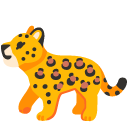


Appearance varies by platform and device. Google Noto, Twemoji, and OpenMoji are open-source.