💄
The Emoji
Lipstick
U+1F484 · :lipstick:
Trend 74
Meaning layers
- interpretation
- Symbol of confidence, femininity, self-expression, or getting glam. Also used ironically to mean 'serving looks' or as a femme power signal. Sometimes used sarcastically to imply someone is putting on a facade.
- tiktok usage
- Used in GRWM (Get Ready With Me) content, glam transformations, 'that girl' aesthetic videos, and femme empowerment posts. Also used in the phrase 'putting on lipstick and logging off.'
- irony level
- 5 / 10
Platform meanings
- meaning
- Beauty, glam, transformation, confidence, and femme energy. Also used in villain-coded or unbothered aesthetics.
- trend usage
- GRWM videos, 'villain era' content, makeup tutorials, 'that girl' routines, and 'lipstick on and logging off' sign-off trends.
- hashtags
- #GRWM#GlamUp#MakeupTok#VillainEra#LipstickEmoji
- virality score
- 78 / 100
Cultural meanings
🇺🇸
Western / Gen-Z
A femme empowerment symbol and confidence signal, frequently used in 'villain era,' GRWM, and glam content. Has strong ironic usage in 'unbothered chaos' meme formats.
🇵🇰
Pakistan & India
Associated with glamour, Bollywood aesthetics, and feminine beauty. Used in beauty content, bridal makeup discussions, and fashion contexts with relatively little ironic use.
🌍
Middle East
Tied to beauty and femininity but used more conservatively in public social media. Common in women's private chats, beauty group discussions, and cosmetics commerce contexts.
🌐
Global Neutral
Universally recognized as representing lipstick, makeup, and cosmetics. Generally safe and straightforward in international contexts.
🇧🇩
Bangladesh
Used in beauty and fashion content, often in bridal and festive makeup discussions. Straightforward cosmetics symbolism with growing usage among younger beauty content creators.
🇱🇰
Sri Lanka
Associated with beauty, self-care, and glamour in women's social media. Used in makeup and fashion contexts, particularly in festive and bridal beauty discussions.
🇨🇳
China
Popular in beauty commerce and lifestyle content on platforms like WeChat, Xiaohongshu (RED), and Douyin. Strongly associated with K-beauty influence, luxury cosmetics, and '口红经济' (lipstick economy) culture.
🇯🇵
Japan
Used in kawaii beauty, J-beauty, and cosmetics content. Associated with delicate femininity and meticulous makeup culture. Popular in fashion and beauty influencer spaces.
🇰🇷
South Korea
Heavily used in K-beauty content, idol makeup discussions, and cosmetics reviews. Associated with the beauty industry's global influence and personal grooming standards.
🇹🇼
Taiwan
Common in beauty and lifestyle content. Associated with K-beauty and J-beauty trends, used freely in makeup discussions and fashion-forward social media contexts.
🇭🇰
Hong Kong
Used in beauty, fashion, and cosmetics contexts. Carries associations with luxury beauty brands and the city's cosmopolitan fashion culture.
🇵🇭
Philippines
Widely used in beauty content, especially in OPM celebrity and influencer culture. Associated with glam Filipina beauty standards and popular beauty vloggers.
🇮🇩
Indonesia
Used in beauty and halal cosmetics discussions. Common in modest fashion and beauty content, though sometimes navigated carefully in conservative contexts.
🇹🇭
Thailand
Associated with beauty, self-care, and K-beauty influenced content. Popular in Thai beauty influencer culture and cosmetics commerce contexts.
🇻🇳
Vietnam
Common in beauty and skincare content. Associated with Vietnamese beauty standards, cosmetics commerce, and growing beauty influencer culture.
🇲🇾
Malaysia
Used in beauty content across diverse cultural contexts. Common in halal beauty discussions, makeup tutorials, and women's lifestyle content.
🇸🇦
Saudi Arabia
Primarily used in private women's beauty discussions and cosmetics content. As social liberalization grows, appears more openly in public beauty and fashion social media.
🇦🇪
UAE
Associated with luxury beauty, glam culture, and Dubai's fashion-forward identity. Used freely in beauty influencer content and cosmetics commerce across the diverse population.
🇪🇬
Egypt
Used in beauty and fashion content, particularly in makeup tutorials and celebrity glam discussions. Associated with Egyptian entertainment culture and feminine beauty ideals.
🇹🇷
Turkey
Common in beauty, fashion, and lifestyle content. Associated with Turkish beauty standards and the country's strong cosmetics and personal care industry.
🇮🇷
Iran
Used carefully in women's beauty contexts, often in private conversations. Carries symbolic weight around femininity and self-expression given social restrictions on makeup in public spaces.
🇳🇬
Nigeria
Used in glam and beauty content, associated with Nollywood aesthetics and Nigerian beauty influencer culture. Signals confidence and polished femininity.
🇿🇦
South Africa
Common in beauty and lifestyle content across multiple cultural communities. Associated with cosmetics, self-care, and feminine empowerment in the local beauty scene.
🇬🇧
UK & Ireland
Used in beauty content, night-out preparation, and glam contexts. Has ironic usage in British humor — 'putting on lipstick before the apocalypse' — alongside sincere beauty usage.
🇫🇷
France
Associated with classic French elegance and the iconic red lip aesthetic. Used in beauty, fashion, and lifestyle content with connotations of Parisian chic.
🇩🇪
Germany
Primarily used in beauty and cosmetics contexts. Less ironic than in English-speaking markets; straightforwardly represents makeup and self-care.
🇪🇸
Spain & Italy
Linked to Mediterranean beauty culture, femininity, and the tradition of the bold red lip. Used in beauty content, fashion posts, and glam occasions.
🇧🇷
Brazil
Strongly associated with beauty, glam culture, and Brazil's vibrant cosmetics market. Used in beauty influencer content, carnival preparation posts, and confident self-expression.
🇲🇽
Mexico
Common in beauty and glam content, tied to Mexican beauty culture and traditions. Used in makeup tutorials, night-out prep, and quinceañera-related beauty discussions.
🌎
Latin America
Widely used across Latin America in beauty, fashion, and self-care content. Associated with bold femininity, confidence, and the region's vibrant cosmetics culture.
🇦🇺
Australia & NZ
Used in beauty and lifestyle content with both sincere and ironic registers. Common in GRWM posts, night-out preparation, and casual femme empowerment expressions.
How its meaning shifted
- 2010
Primarily used literally to indicate lipstick, makeup, or beauty topics. Limited to straightforward cosmetics discussions in early social media and SMS.
- 2015
Became more common in beauty blogger and YouTube culture. Associated with the rise of beauty influencers and used heavily in Instagram makeup content and beauty brand marketing.
- 2020
Expanded into ironic and meme usage, particularly in 'unbothered chaos' formats. Heavily adopted in TikTok GRWM culture, femme empowerment movements, and 'villain era' aesthetics during the pandemic.
- 2026
Multi-layered symbol functioning as both a sincere beauty indicator and a femme power/irony signal. Deeply embedded in Gen Z's expressive vocabulary across platforms with strong 'villain era,' 'that girl,' and femme identity associations.
See it on every platform
Emoji combinations
Adjacent emojis
- Opposite
- bar of soapsleeping faceno entry
- Often confused with
- red circlecandycherry
- Can replace
- nail polishsparklescrown
Share & embed
Frequently asked
01What does the 💄 Lipstick emoji mean?
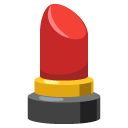
A red or pink lipstick tube, typically shown in a classic bullet-style with the cap off and the product extended, representing cosmetics, beauty, and makeup.
02What does 💄 mean on TikTok?
Beauty, glam, transformation, confidence, and femme energy. Also used in villain-coded or unbothered aesthetics.
03What does 💄 mean on WhatsApp?
Getting ready, going out, or signaling you're looking cute. Often sent before a night out or date.
04What does 💄 mean in Gen-Z slang?
Symbol of confidence, femininity, self-expression, or getting glam. Also used ironically to mean 'serving looks' or as a femme power signal. Sometimes used sarcastically to imply someone is putting on a facade.
05Is the 💄 emoji safe to use?
Makeup, beauty, cosmetics, self-care, glamour, femininity, getting ready, confidence.
06What does 💄 mean in texting?
Lipstick is psychologically linked to transformation rituals and self-empowerment. Applying lipstick is often associated with preparing to face the world, boosting self-esteem, and signaling social readiness.
07What is the shortcode for 💄?
The shortcode for Lipstick is :lipstick:
08What does 💄 mean in dating?
Sent in flirtatious contexts to signal attraction, seduction, or getting dressed up for someone. Can imply 'I'm putting on my best look for you.'
Safety & usage
- Safe meaning
- Makeup, beauty, cosmetics, self-care, glamour, femininity, getting ready, confidence.
- Caution
- Can be used to mock femininity or reduce women to their appearance. In rare contexts, used dismissively toward women in professional settings.
Generally safe. In certain ironic or sexist contexts, can be used to diminish or stereotype women. On professional platforms, overuse may be perceived as undermining credibility depending on industry context.
How it looks across platforms


Appearance varies by platform and device. Google Noto, Twemoji, and OpenMoji are open-source.