🧴
The Emoji
Lotion Bottle
U+1F9F4 · :lotion_bottle:
Trend 68
Meaning layers
- interpretation
- Used to represent skincare routines, self-care culture, 'that girl' aesthetic, moisturizing habits, or sarcastically referencing lotion-related jokes (e.g., dry skin shaming or the Buffalo Bill 'Silence of the Lambs' meme).
- tiktok usage
- Frequently appears in skincare routine videos, 'get ready with me' content, and ironic memes about people who don't use lotion.
- irony level
- 6 / 10
Platform meanings
- meaning
- Represents skincare routines, self-care nights, moisturizing tips, and wellness content.
- trend usage
- Used in 'that girl' morning routine trends, skincare duet reactions, and comedic videos about people refusing to use lotion.
- hashtags
- #skincare#selfcare#moisturize#skincaeroutine#thatgirl
- virality score
- 72 / 100
Cultural meanings
🇺🇸
Western / Gen-Z
Symbolizes skincare culture and the 'clean girl' or 'that girl' aesthetic; also widely used for the Silence of the Lambs dark humor meme.
🇵🇰
Pakistan & India
Commonly used to refer to moisturizers and fairness creams, which are deeply embedded in daily personal care culture; also used to discuss popular brands like Vaseline or Nivea.
🌍
Middle East
Represents skincare and body care routines, which are taken seriously culturally; also associated with luxury beauty products and oud-infused lotions.
🌐
Global Neutral
Universally understood as a personal care or hygiene product, with no significant cultural baggage beyond its literal meaning.
🇧🇩
Bangladesh
Associated with everyday personal care products; moisturizer use is common and the emoji is used straightforwardly in beauty and health discussions.
🇱🇰
Sri Lanka
Used in the context of skincare and beauty product discussions; coconut oil-based skincare is culturally prominent so it aligns with traditional care practices.
🇨🇳
China
Heavily associated with skincare culture, which is highly developed in China; used in discussions about C-beauty routines, serums, and whitening products.
🇯🇵
Japan
Strongly tied to J-beauty skincare rituals, where moisturizing is a cornerstone of elaborate multi-step routines; evokes premium, minimalist skincare culture.
🇰🇷
South Korea
Deeply connected to K-beauty culture and the famous multi-step skincare routine; one of the most relevant emojis in Korean beauty (K-beauty) social media content.
🇹🇼
Taiwan
Associated with skincare and personal care; Taiwan has a strong beauty culture influenced by both K-beauty and J-beauty trends.
🇭🇰
Hong Kong
Used in the context of international beauty product discussions and skincare routines popular in urban Hong Kong lifestyle content.
🇵🇭
Philippines
Linked to moisturizing and whitening skincare products, which are culturally significant; also used humorously about sun protection needs in tropical weather.
🇮🇩
Indonesia
Associated with skincare and personal care in the context of tropical climate beauty needs; halal skincare is an important consideration reflected in discussions using this emoji.
🇹🇭
Thailand
Connected to Thai skincare culture, which blends traditional herbal ingredients with modern products; heavily used in K-beauty influenced Thai beauty content.
🇻🇳
Vietnam
Used in skincare and beauty contexts; Vietnamese beauty culture emphasizes skin-brightening and hydration, making this emoji relevant in product discussions.
🇲🇾
Malaysia
Associated with skincare and halal beauty product discussions; Malaysia's multicultural beauty market makes this emoji widely relatable.
🇸🇦
Saudi Arabia
Represents luxury body lotions and skincare products; in a culture that values personal grooming and fragrant body care, this emoji is associated with premium self-care.
🇦🇪
UAE
Tied to luxury beauty and skincare culture; Dubai's status as a beauty retail hub makes this emoji synonymous with high-end product hauls and influencer content.
🇪🇬
Egypt
Used in personal care and beauty contexts; skincare routines are growing in cultural relevance among younger Egyptians influenced by global beauty trends.
🇹🇷
Turkey
Associated with skincare and personal grooming; Turkish beauty culture has strong traditions around skincare including hammam rituals, making this emoji culturally resonant.
🇮🇷
Iran
Used in beauty and personal care discussions; skincare is an important part of Iranian beauty culture, particularly among women who invest significantly in skin health.
🇳🇬
Nigeria
Strongly associated with body lotion and moisturizing, which is central to Nigerian beauty culture; shea butter and body lotion use is widespread and the emoji resonates deeply.
🇿🇦
South Africa
Connected to moisturizing and skincare in a diverse beauty market; body lotions are a daily staple and this emoji is used practically in beauty discussions.
🇬🇧
UK & Ireland
Used in skincare and self-care contexts; also widely understood in its meme context referencing Silence of the Lambs, which remains culturally embedded in British humor.
🇫🇷
France
Associated with French pharmacy skincare (pharmacie beauty) culture; France's reputation for minimalist, effective skincare makes this emoji tied to a sophisticated beauty identity.
🇩🇪
Germany
Represents practical skincare and personal hygiene; German consumers favor functional, dermatologist-approved products, so the emoji is used straightforwardly in health and beauty contexts.
🇪🇸
Spain & Italy
Linked to Mediterranean beauty and personal care routines; olive oil-based skincare traditions give this emoji a culturally warm, natural beauty connotation.
🇧🇷
Brazil
Associated with body care, which is deeply important in Brazilian culture; body lotion use is a daily ritual and Brazil's beauty market is one of the largest globally.
🇲🇽
Mexico
Used in skincare and personal care contexts; Mexican beauty culture blends traditional ingredients with modern products, and the emoji is used practically in beauty discussions.
🌎
Latin America
Broadly associated with personal care and beauty routines across Latin America; body moisturizing is a cultural norm and this emoji is widely understood without irony.
🇦🇺
Australia & NZ
Strongly tied to sunscreen and sun protection culture given high UV index; also used in general skincare contexts and occasionally in the Silence of the Lambs meme context.
How its meaning shifted
- 2010
The emoji did not yet exist; lotion was represented by generic symbols or descriptive text in digital conversations.
- 2015
Still pre-introduction; beauty and skincare topics were discussed on emerging platforms without a dedicated emoji, using alternatives like 💆 or 🛁.
- 2020
Introduced in 2018 and gaining traction; widely adopted in skincare communities on TikTok and Instagram during the pandemic self-care boom; the Silence of the Lambs meme association became popular.
- 2026
Firmly established as the go-to emoji for skincare, self-care routines, and the 'clean girl' aesthetic; also a staple of dry skin humor and dark meme culture on all major platforms.
See it on every platform
Compare with
Emoji combinations
Adjacent emojis
- Opposite
- wilted flowerskullfire
- Often confused with
- test tubebaby bottlehoney pot
- Can replace
- bar of soapbathtubsparkles
Share & embed
Frequently asked
01What does the 🧴 Lotion Bottle emoji mean?
A lotion or liquid bottle with a pump dispenser, typically used to represent skincare products, moisturizers, sunscreen, soap, or personal care items.
02What does 🧴 mean on TikTok?
Represents skincare routines, self-care nights, moisturizing tips, and wellness content.
03What does 🧴 mean on WhatsApp?
Sent to remind someone to moisturize or as part of a skincare recommendation conversation.
04What does 🧴 mean in Gen-Z slang?
Used to represent skincare routines, self-care culture, 'that girl' aesthetic, moisturizing habits, or sarcastically referencing lotion-related jokes (e.g., dry skin shaming or the Buffalo Bill 'Silence of the Lambs' meme).
05Is the 🧴 emoji safe to use?
Skincare, moisturizing, personal hygiene, self-care routines, and beauty product recommendations.
06What does 🧴 mean in texting?
The lotion bottle evokes feelings of routine comfort, self-love, and bodily care. It can also trigger humor or slight disgust when used in meme contexts about poor hygiene.
07What is the shortcode for 🧴?
The shortcode for Lotion Bottle is :lotion_bottle:
08What does 🧴 mean in dating?
Sometimes used flirtatiously in the context of offering or needing a massage, or as a subtle innuendo depending on context.
Safety & usage
- Safe meaning
- Skincare, moisturizing, personal hygiene, self-care routines, and beauty product recommendations.
- Caution
- In some contexts, used to reference the disturbing 'it puts the lotion on its skin' quote from Silence of the Lambs, which can be used to harass or threaten someone in an extremely dark manner.
Largely safe and benign. The Silence of the Lambs reference is usually used as dark humor between friends but could be used in a threatening or harassing context depending on the situation. Monitor usage in direct messages if paired with aggressive language.
How it looks across platforms
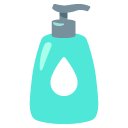


Appearance varies by platform and device. Google Noto, Twemoji, and OpenMoji are open-source.