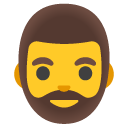
🧔♂️
The Emoji
Man: Beard
U+1F9D4 U+200D U+2642 U+FE0F · :man_beard:
Trend 48
Meaning layers
- interpretation
- Used to represent the stereotypical 'guy' archetype — often the lumberjack type, a rugged outdoorsman, or just a regular dude. Sometimes used self-referentially by bearded men or ironically to describe a 'bro' or 'manly man' figure.
- tiktok usage
- Appears in videos about men's grooming, beard care routines, or as a stand-in character in storytimes about a generic guy. Also used in 'he did this 🧔♂️' meme format.
- irony level
- 4 / 10
Platform meanings
- meaning
- Represents a bearded man character, often used as a visual shorthand in storytimes or POV videos. Also a staple of beard-care content.
- trend usage
- Used in 'he 🧔♂️' narrative formats and beard transformation videos. Appears in trending sounds about rugged or outdoorsy men.
- hashtags
- #beardgang#beardedmen#beardcare#manlyvibes#beardlife
- virality score
- 52 / 100
Cultural meanings
🇺🇸
Western / Gen-Z
Used ironically and literally in equal measure — represents 'a guy' in memes or a self-identifier for bearded men who are proud of their beard. Often paired with lumberjack or outdoors imagery.
🇵🇰
Pakistan & India
Beards carry significant cultural and religious weight; this emoji is often used to represent a religious or traditionally masculine man, or in humor about strict uncles or fathers.
🌍
Middle East
Strongly associated with religious observance and traditional masculinity. Frequently used to represent pious men or in contexts involving Islamic identity and male grooming customs.
🌐
Global Neutral
Universally understood as a man with a beard. Used straightforwardly to reference a bearded individual across most global contexts.
🇧🇩
Bangladesh
Similar to Pakistan/India usage — often represents a religiously observant man or a traditionally respected male elder figure in digital conversation.
🇱🇰
Sri Lanka
Used to represent a bearded man in casual conversation; carries mild associations with maturity or religious identity depending on context.
🇨🇳
China
Beards are less common in mainstream Chinese culture, so this emoji is sometimes used to represent a foreign or non-Chinese man, or someone with an unconventional appearance.
🇯🇵
Japan
Beards are relatively uncommon in Japanese professional culture; the emoji is often used to represent a foreign man, a creative type, or a character in a rugged/Western narrative.
🇰🇷
South Korea
K-beauty culture skews toward clean-shaven aesthetics, so this emoji is sometimes used humorously to represent an 'uncouth' or foreign male, or as a contrast to Korean beauty standards.
🇹🇼
Taiwan
Used similarly to mainland East Asian contexts — often denotes a foreign or unconventional man, or is used humorously in contrast to smooth, clean-cut male ideals.
🇭🇰
Hong Kong
Deployed casually to represent a bearded man in chat; may carry a slightly exotic or Western connotation given local beauty norms.
🇵🇭
Philippines
Used in everyday chat to represent a rugged or mature man. Beards are associated with masculinity and are fairly common, so the emoji is used naturally and positively.
🇮🇩
Indonesia
Carries dual meaning — can represent a stylish modern bearded man or, in certain contexts, a religiously observant Muslim man. Both interpretations coexist depending on community.
🇹🇭
Thailand
Less culturally prominent given that facial hair is less common; often used to represent a foreign man or a character in a story, sometimes with a comedic undertone.
🇻🇳
Vietnam
Similar to other Southeast Asian contexts — beards are less mainstream, so the emoji can represent an older, foreign, or unconventional male figure.
🇲🇾
Malaysia
Used to represent both a stylish modern bearded man and, in Muslim communities, a religiously observant man. Context determines which interpretation applies.
🇸🇦
Saudi Arabia
Beards are deeply tied to Islamic tradition and are widely worn; this emoji is commonly used and well-regarded, often representing a pious or respected man.
🇦🇪
UAE
Used in a context where beards are common and respected, both for religious and fashion reasons. The emoji is used naturally to represent Emirati men or any bearded individual.
🇪🇬
Egypt
Beards are common and culturally valued in Egypt; the emoji is used casually and positively, often representing a religious man, a father figure, or a stylish young man.
🇹🇷
Turkey
Beards are fashionable and culturally present; the emoji is used to represent stylish bearded men or, in religious contexts, a traditionally observant Muslim male.
🇮🇷
Iran
Beards hold cultural and political associations in Iran — they can signify religious conservatism or, among youth, a modern fashion choice. The emoji's meaning shifts depending on the community using it.
🇳🇬
Nigeria
Beards are widely embraced across Nigerian culture and are seen as masculine and attractive. The emoji is used positively to represent a bearded man, often with pride.
🇿🇦
South Africa
Used casually to represent a bearded man. In Afrikaner culture, the beard carries strong masculine heritage associations, while in urban contexts it's simply a style marker.
🇬🇧
UK & Ireland
Used colloquially to represent 'a bloke with a beard' — common in hipster culture references, pub culture memes, and general lad humor. Often used fondly.
🇫🇷
France
The beard is fashionable in French culture; the emoji is used to represent a stylish bearded man, often in the context of Parisian or intellectual male aesthetics.
🇩🇪
Germany
Used to represent a bearded man in casual digital communication. Beards are fashionable and the emoji carries no unusual cultural weight beyond representing a well-groomed or rugged man.
🇪🇸
Spain & Italy
Beards are highly fashionable in both Spain and Italy; the emoji is used to represent an attractive, stylish bearded man and often carries positive, sometimes flirtatious connotations.
🇧🇷
Brazil
Used casually and positively to represent a bearded man. Beards are trendy and associated with attractiveness; the emoji appears frequently in dating and social contexts.
🇲🇽
Mexico
Beards are masculine and fashionable; the emoji is used to represent a rugged or attractive man, and is common in meme culture referencing 'un tipo con barba' (a guy with a beard).
🌎
Latin America
Broadly positive across Latin America — beards are associated with masculinity and attractiveness. The emoji is used to reference a bearded man in casual, dating, and humor contexts.
🇦🇺
Australia & NZ
Used in a similar way to UK/Ireland — casual, friendly, sometimes ironic. Associated with the 'bloke' archetype, tradie culture, and outdoor/rugged masculinity.
How its meaning shifted
- 2010
Emoji of bearded men did not yet exist in standard Unicode sets; facial hair was typically added as a modifier or described in text. Beard culture was beginning its mainstream revival.
- 2015
The beard trend was at peak hipster culture prominence. Generic bearded person emojis started appearing in custom keyboards and sticker packs, ahead of official Unicode support.
- 2020
The gendered man-with-beard emoji was now widely available across platforms. Used heavily during pandemic beard-growth content, men's wellness discourse, and Movember campaigns.
- 2026
Firmly established as a go-to emoji for representing a bearded man in memes, storytimes, grooming content, and casual conversation. Also used in gender and identity representation discussions.
See it on every platform
Compare with
Adjacent emojis
- Opposite
- woman no beardbabyman bald
- Often confused with
- bearded personold mansanta claus
- Can replace
- bearded personmanman facepalming
Share & embed
Frequently asked
01What does the 🧔♂️ Man: Beard emoji mean?
A man with a beard, representing a male-presenting person with visible facial hair. Added to Unicode as a gender-specific variant of the bearded person emoji.
02What does 🧔♂️ mean on TikTok?
Represents a bearded man character, often used as a visual shorthand in storytimes or POV videos. Also a staple of beard-care content.
03What does 🧔♂️ mean on WhatsApp?
Used to refer to a specific bearded man in conversation — 'yeah the one with the beard 🧔♂️' — or as shorthand for a boyfriend or husband.
04What does 🧔♂️ mean in Gen-Z slang?
Used to represent the stereotypical 'guy' archetype — often the lumberjack type, a rugged outdoorsman, or just a regular dude. Sometimes used self-referentially by bearded men or ironically to describe a 'bro' or 'manly man' figure.
05Is the 🧔♂️ emoji safe to use?
Represents a bearded man in a neutral to positive context — grooming, identity, casual reference to a male person.
06What does 🧔♂️ mean in texting?
Beards are culturally associated with wisdom, maturity, and strength. The emoji can trigger subconscious associations with fatherhood, protection, or a dependable male figure, depending on cultural background.
07What is the shortcode for 🧔♂️?
The shortcode for Man: Beard is :man_beard:
08What does 🧔♂️ mean in dating?
Used by people who find beards attractive — 'I love a bearded man 🧔♂️' or sent to a partner as a compliment about their beard.
Safety & usage
- Safe meaning
- Represents a bearded man in a neutral to positive context — grooming, identity, casual reference to a male person.
- Caution
- In rare cases, could be used in misogynistic or hypermasculine contexts to mock sensitivity, reinforce toxic masculinity tropes, or stereotype religious men.
Generally safe for all audiences. Caution in contexts where it's used to mock religious observance or enforce harmful gender stereotypes. Religious connotations in Middle Eastern and South Asian contexts should be handled respectfully.
How it looks across platforms
Appearance varies by platform and device. Google Noto, Twemoji, and OpenMoji are open-source.