🚴🏻♂️
The Emoji
Man Biking: Light Skin Tone
U+1F6B4 U+1F3FB U+200D U+2642 U+FE0F · :man_biking_light_skin_tone:
Trend 55
Meaning layers
- interpretation
- Used to signal someone who is active, outdoorsy, or health-conscious. Can also be used ironically to describe someone who is 'in their era' of fitness or grinding through life's challenges.
- tiktok usage
- Appears in fitness motivation videos, cycling vlogs, and 'main character' aesthetic content. Also used humorously when someone is pedaling hard metaphorically — like working through drama or avoiding problems.
- irony level
- 4 / 10
Platform meanings
- meaning
- Signals fitness content, outdoor lifestyle, or humorous escape from problems. Appears in workout motivation and 'day in my life' cycling videos.
- trend usage
- Used in trending sounds paired with cycling transitions, Tour de France commentary memes, and fitness challenge videos.
- hashtags
- #cyclinglife#bikeride#fitcheck#outdoorvibes#cyclingtiktok
- virality score
- 58 / 100
Cultural meanings
🇺🇸
Western / Gen-Z
Signals active, outdoorsy identity or is used ironically to represent escaping from problems and responsibilities in meme culture.
🇵🇰
Pakistan & India
Cycling carries connotations of working-class commuting in everyday life, but this emoji is increasingly used by urban youth in fitness and sports contexts.
🌍
Middle East
Predominantly used in fitness and sports contexts, gaining popularity as cycling culture grows in Gulf cities and urban fitness communities.
🌐
Global Neutral
Universally understood as representing cycling — used to indicate biking as transport, sport, or recreational activity.
🇧🇩
Bangladesh
Primarily associated with commuting and everyday transportation, though younger urban populations use it in fitness and health contexts.
🇱🇰
Sri Lanka
Associated with both everyday cycling for commuting and growing recreational cycling culture among urban youth.
🇨🇳
China
Popular in fitness communities and cycling club groups on WeChat; cycling culture has surged in cities post-pandemic.
🇯🇵
Japan
Associated with cycling tourism, daily commuting, and the popular 'jitensha' (bicycle) culture; used earnestly in fitness and travel content.
🇰🇷
South Korea
Linked to the growing cycling trend along river paths like Han River; used in fitness content and healthy lifestyle posts on Instagram and KakaoTalk.
🇹🇼
Taiwan
Strong cycling culture especially for scenic route rides; used authentically by cycling enthusiasts and tourists exploring bike-friendly routes.
🇭🇰
Hong Kong
Used in fitness and leisure contexts as cycling grows in popularity for recreational weekend activities.
🇵🇭
Philippines
Surged post-pandemic as cycling became a major commuting alternative; used both practically and aspirationally in social media fitness content.
🇮🇩
Indonesia
Associated with the growing cycling boom; used by urban fitness communities and cycling clubs across Jakarta and other major cities.
🇹🇭
Thailand
Connected to cycling tourism and recreational weekend rides; used in fitness and outdoor adventure content.
🇻🇳
Vietnam
Cycling is a traditional mode of transport but the emoji is increasingly used in fitness and sporting contexts by urban youth.
🇲🇾
Malaysia
Used in urban cycling communities and fitness groups; associated with weekend rides and endurance sports culture.
🇸🇦
Saudi Arabia
Cycling culture has grown significantly, especially post-Vision 2030 fitness initiatives; used in sports and active lifestyle content.
🇦🇪
UAE
Popular in the UAE's growing cycling community; used in fitness content, especially for desert and coastal cycling routes.
🇪🇬
Egypt
Cycling is seen as both a transport and fitness activity; used increasingly in youth fitness and sports communities online.
🇹🇷
Turkey
Associated with recreational cycling and growing urban bike culture; used in fitness, tourism, and outdoor activity content.
🇮🇷
Iran
Used in sports and fitness contexts; cycling is a popular recreational activity and competitive sport.
🇳🇬
Nigeria
Cycling is associated with both transport and growing fitness culture among urban youth; emoji is used in sports and health content.
🇿🇦
South Africa
Strong cycling culture especially for road racing and mountain biking; used earnestly in sports and fitness communities.
🇬🇧
UK & Ireland
Common in fitness content, cycling commute references, and Tour de France fandom; also used humorously to signal escaping awkward situations.
🇫🇷
France
Deeply tied to cycling heritage and Tour de France culture; used with pride and enthusiasm in sports and national identity contexts.
🇩🇪
Germany
Cycling is a major part of daily commuting culture and sport; emoji is used practically and enthusiastically in fitness and transport discussions.
🇪🇸
Spain & Italy
Connected to strong cycling traditions (Vuelta, Giro); used with sporting passion and also for everyday leisure cycling content.
🇧🇷
Brazil
Associated with fitness culture and weekend recreational cycling; used in sports and active lifestyle social media content.
🇲🇽
Mexico
Used in fitness, cycling club, and urban transport contexts; cycling culture is growing in major cities.
🌎
Latin America
Represents both everyday cycling transport and recreational fitness activity across Latin American urban communities.
🇦🇺
Australia & NZ
Strong cycling culture for both sport and commuting; used in fitness content, cycling events, and outdoor lifestyle posts.
How its meaning shifted
- 2010
Rarely used — emoji was nascent and cycling emojis were not yet widely available or skin-tone modifiable; used only in early adopter tech communities.
- 2015
Gained traction as cycling apps like Strava grew; used in fitness posts and early Instagram cycling content without much irony.
- 2020
Surged during the pandemic cycling boom; became a symbol of outdoor exercise, mental health, and escaping lockdown monotony. Meme usage began growing.
- 2026
Established as both a genuine fitness/cycling signifier and a widely understood meme symbol for 'escaping problems'; skin tone modifier is regularly used for personal representation.
See it on every platform
Adjacent emojis
- Opposite
- person in bedcouch and lampsloth
- Often confused with
- person mountain bikingkick scootermotor scooter
- Can replace
- bicycleperson runningwoman biking
Share & embed
Frequently asked
01What does the 🚴🏻♂️ Man Biking: Light Skin Tone emoji mean?
A man with light skin tone riding a bicycle, depicted in a cycling posture typically wearing a helmet and athletic gear.
02What does 🚴🏻♂️ mean on TikTok?
Signals fitness content, outdoor lifestyle, or humorous escape from problems. Appears in workout motivation and 'day in my life' cycling videos.
03What does 🚴🏻♂️ mean on WhatsApp?
Telling someone you are going for a bike ride or are currently outdoors exercising.
04What does 🚴🏻♂️ mean in Gen-Z slang?
Used to signal someone who is active, outdoorsy, or health-conscious. Can also be used ironically to describe someone who is 'in their era' of fitness or grinding through life's challenges.
05Is the 🚴🏻♂️ emoji safe to use?
Represents cycling, outdoor exercise, fitness, and active transportation — entirely benign and positive.
06What does 🚴🏻♂️ mean in texting?
Cycling imagery is psychologically linked to self-reliance, forward momentum, and stress relief. The emoji can evoke feelings of independence and purposeful movement, often used when someone feels like they are progressing in life.
07What is the shortcode for 🚴🏻♂️?
The shortcode for Man Biking: Light Skin Tone is :man_biking_light_skin_tone:
08What does 🚴🏻♂️ mean in dating?
Occasionally used by someone signaling they are active and health-focused, subtly implying physical fitness or inviting a partner to join them on a ride.
Safety & usage
- Safe meaning
- Represents cycling, outdoor exercise, fitness, and active transportation — entirely benign and positive.
- Caution
- No significant toxic usage patterns identified; occasionally used to dismissively signal 'riding away' from accountability in online arguments.
No notable safety concerns. Skin tone modifier use is inclusive and encouraged for personal representation. No documented misuse in harmful contexts.
How it looks across platforms
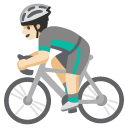
Appearance varies by platform and device. Google Noto, Twemoji, and OpenMoji are open-source.