🏋🏿♂️
The Emoji
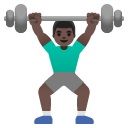
Man Lifting Weights: Dark Skin Tone
U+1F3CB U+1F3FF U+200D U+2642 U+FE0F · :man_lifting_weights_dark_skin_tone:
Trend 68
Meaning layers
- interpretation
- Used to flex gym dedication, hype someone's progress, or ironically mock people who only talk about working out without actually doing it. Also signals 'no days off' grind culture.
- tiktok usage
- Appears in gym transformation videos, 'what I eat in a day' content, and gym bro satire reels. Often paired with motivational audio.
- irony level
- 5 / 10
Platform meanings
- meaning
- Represents gym dedication, fitness hustle, and athletic identity. Frequently used by creators in workout transformation content.
- trend usage
- Appears in 'gym rat' identity trends, 'no days off' challenges, fitness check-ins, and motivational montages. Also used in POV gym bro satire.
- hashtags
- #GymTok#LiftingTok#GainsTok#FitnessMotivation#GymBro
- virality score
- 72 / 100
Cultural meanings
🇺🇸
Western / Gen-Z
Central to gym bro identity and fitness influencer culture. The dark skin tone variant is used specifically to celebrate Black athletic identity and representation in fitness spaces.
🇵🇰
Pakistan & India
Used to represent gym culture which is rapidly growing, especially among urban youth. Signals modern lifestyle aspirations and physical discipline, sometimes with machismo undertones.
🌍
Middle East
Represents gym culture popular among younger generations in Gulf states and urban centers. Associated with masculine fitness identity and increasingly popular bodybuilding culture.
🌐
Global Neutral
Universally recognized as representing weightlifting and gym culture. The dark skin tone is generally interpreted as inclusive representation of diverse athletes.
🇧🇩
Bangladesh
Gym culture is growing in urban areas like Dhaka. This emoji is used by fitness-conscious youth to signal modern lifestyle and physical self-improvement goals.
🇱🇰
Sri Lanka
Represents emerging gym culture among urban youth. Used on social media to signal fitness dedication, sometimes aspirationally toward Western fitness aesthetics.
🇨🇳
China
Used in fitness contexts on platforms like WeChat and Weibo. Chinese gym culture has grown significantly and this emoji resonates with urban fitness communities, though skin tone awareness is less prominent in cultural interpretation.
🇯🇵
Japan
Represents gym and sports culture in Japan. Used in fitness communities on Twitter and LINE. The dark skin tone is largely interpreted neutrally as emoji diversity rather than carrying specific cultural connotations.
🇰🇷
South Korea
Common in fitness and K-pop idol body goal discussions. Korean gym culture is intense and image-focused, making this emoji popular in health and body transformation content.
🇹🇼
Taiwan
Used in fitness social media contexts similar to South Korea. Gym culture is growing and this emoji appears in workout check-in posts and fitness motivation content.
🇭🇰
Hong Kong
Popular in urban fitness communities. Used on Instagram and Facebook to signal gym lifestyle and physical dedication among health-conscious young professionals.
🇵🇭
Philippines
Used across Filipino fitness communities on Facebook and TikTok. Resonates with growing gym culture and aspirational fitness content popular among younger demographics.
🇮🇩
Indonesia
Gym culture is expanding in Indonesian urban centers. This emoji is used on Instagram and TikTok by fitness-conscious youth, often with Islamic-compatible messaging around health.
🇹🇭
Thailand
Represents Muay Thai, general gym culture, and fitness identity. Used widely in fitness content and sports discussions, especially boxing and combat sports communities.
🇻🇳
Vietnam
Appears in growing Vietnamese fitness social media communities. Urban youth use it to signal modern gym culture and health-conscious lifestyles.
🇲🇾
Malaysia
Used in Malaysian fitness communities across Instagram and TikTok. Represents dedication to physical health and is common in both Malay and Chinese-Malaysian fitness communities.
🇸🇦
Saudi Arabia
Gym culture has boomed in Saudi Arabia, especially post-Vision 2030 social reforms. This emoji is popular among Saudi fitness influencers and represents masculine strength and discipline.
🇦🇪
UAE
Dubai and Abu Dhabi have vibrant gym cultures. This emoji is widely used by fitness enthusiasts and influencers in the UAE, crossing expat and Emirati communities.
🇪🇬
Egypt
Represents growing gym culture in Egypt, particularly among Cairo's youth. Used in fitness content on Facebook and TikTok, often tied to masculine identity.
🇹🇷
Turkey
Common in Turkish fitness communities on Instagram. Gym culture is strong in Turkey and this emoji signals physical dedication and athletic identity.
🇮🇷
Iran
Despite social media restrictions, gym culture is very popular in Iran. This emoji circulates in fitness Telegram channels and Instagram workout content.
🇳🇬
Nigeria
Strongly resonates in Nigeria where gym culture is growing rapidly. The dark skin tone variant is particularly meaningful as positive representation of Black Africans in global emoji sets.
🇿🇦
South Africa
Used in South African fitness communities across racial demographics. The dark skin tone variant carries notable significance in representing Black South African athletes and gym-goers.
🇬🇧
UK & Ireland
Common in UK gym culture, lad culture contexts, and fitness influencer content. Also appears in self-deprecating British humor about going to the gym vs. actually going.
🇫🇷
France
Used in French fitness communities on Instagram. French gym culture values aesthetics and this emoji appears in transformation content and athletic lifestyle posts.
🇩🇪
Germany
Represents disciplined workout culture in Germany. Used in fitness communities and sports-related content, resonating with German cultural values around physical performance and efficiency.
🇪🇸
Spain & Italy
Popular in Mediterranean fitness culture where physical appearance and beach body culture are prominent. Used in summer fitness motivation and gym content across Instagram.
🇧🇷
Brazil
Extremely popular in Brazil's massive fitness culture. Brazilian gym culture is one of the largest in the world, and this emoji is ubiquitous in fitness content, particularly on Instagram and TikTok.
🇲🇽
Mexico
Used in Mexican fitness communities on Instagram and TikTok. Represents machismo-aligned gym culture while also appearing in progressive fitness spaces celebrating diverse athletic bodies.
🌎
Latin America
Broadly used across Latin America's growing fitness social media landscape. Signals gym dedication and physical aspirations across diverse regional fitness communities.
🇦🇺
Australia & NZ
Common in Australian and New Zealand gym and outdoor fitness communities. Used in workout content and sporting contexts, often with casual laid-back energy unlike more intense American gym culture.
How its meaning shifted
- 2010
Emoji barely existed in mainstream use; weightlifting symbols were rare and skin tone modifiers hadn't been introduced yet. Fitness digital communication relied on text abbreviations.
- 2015
Skin tone modifiers were introduced by Unicode in 2015, making this specific variant available. Early adoption was limited, primarily used for literal gym references in fitness communities.
- 2020
Usage expanded significantly with the fitness boom during COVID-19 lockdowns and home workout culture. Also gained cultural resonance through Black Lives Matter movement increasing awareness of diverse representation.
- 2026
Deeply embedded in gym bro culture, fitness influencer identity, and ironic meme usage. The dark skin tone variant is specifically valued in conversations about Black athletic excellence and diversity in digital representation.
See it on every platform
Adjacent emojis
- Often confused with
- man in lotus positionperson bouncing balltrophy
- Can replace
- flexed bicepsfiremuscle emoji
Share & embed
Frequently asked
01What does the 🏋🏿♂️ Man Lifting Weights: Dark Skin Tone emoji mean?
A man with dark skin tone engaged in weightlifting, typically shown pressing a barbell overhead in a competitive or gym setting.
02What does 🏋🏿♂️ mean on TikTok?
Represents gym dedication, fitness hustle, and athletic identity. Frequently used by creators in workout transformation content.
03What does 🏋🏿♂️ mean on WhatsApp?
Sent to announce a gym visit, hype a friend's workout, or signal being in beast mode for the day.
04What does 🏋🏿♂️ mean in Gen-Z slang?
Used to flex gym dedication, hype someone's progress, or ironically mock people who only talk about working out without actually doing it. Also signals 'no days off' grind culture.
05Is the 🏋🏿♂️ emoji safe to use?
Represents physical fitness, gym culture, athletic dedication, and healthy lifestyle motivation. Widely used as positive encouragement and fitness identity.
06What does 🏋🏿♂️ mean in texting?
Taps into achievement motivation and self-efficacy. Using this emoji often signals a desire for external validation of discipline and physical effort, rooted in identity investment in fitness culture.
07What is the shortcode for 🏋🏿♂️?
The shortcode for Man Lifting Weights: Dark Skin Tone is :man_lifting_weights_dark_skin_tone:
08What does 🏋🏿♂️ mean in dating?
Sent to signal physical fitness, implying attractiveness through implied body strength. Sometimes used to say 'I take care of myself' as a subtle flex in DMs.
Safety & usage
- Safe meaning
- Represents physical fitness, gym culture, athletic dedication, and healthy lifestyle motivation. Widely used as positive encouragement and fitness identity.
- Caution
- Can appear in toxic gym bro culture, body shaming contexts, or be used to mock those who don't meet certain physical standards. Occasionally used in steroid/performance-enhancing drug culture discussions.
Generally safe. In rare cases, may appear in contexts promoting extreme or unhealthy body image standards. The dark skin tone variant is occasionally misused in racial stereotype contexts, though this is uncommon.
How it looks across platforms
Appearance varies by platform and device. Google Noto, Twemoji, and OpenMoji are open-source.