🚵🏾♂️
The Emoji
Man Mountain Biking: Medium-dark Skin Tone
U+1F6B5 U+1F3FE U+200D U+2642 U+FE0F · :man_mountain_biking_mediumdark_skin_tone:
Trend 55
Meaning layers
- interpretation
- Used to flex an active, outdoorsy lifestyle or signal that someone is 'that guy' who takes fitness seriously. Also used ironically to imply someone is going through something emotionally by 'riding through it.'
- tiktok usage
- Appears in fitness transformation videos, outdoor adventure content, and POV skits about dads who 'found themselves' through cycling. Often used with hustle culture montages.
- irony level
- 3 / 10
Platform meanings
- meaning
- Represents adventure, fitness grind, and outdoor lifestyle. Used to caption trail riding videos or hype up athletic content.
- trend usage
- Appears in 'day in my life' outdoor adventure videos, fitness challenges, and motivational montages with lo-fi or hip-hop soundtracks.
- hashtags
- #mountainbike#traillife#getoutside#fitnessmotivation#outdooradventure
- virality score
- 52 / 100
Cultural meanings
🇺🇸
Western / Gen-Z
Represents the outdoor fitness aesthetic popular among Gen Z who valorize active lifestyles as part of identity. Often used ironically to escape drama or flex an adventurous persona.
🇵🇰
Pakistan & India
Less common in everyday use but recognized in urban fitness communities. Associated with upper-middle-class outdoor recreation culture and is gaining traction with the growing cycling community in major cities.
🌍
Middle East
Cycling is increasingly popular in countries like Jordan and Lebanon. This emoji is used by active youth in urban areas who engage in outdoor sports as part of a modern, health-conscious lifestyle.
🌐
Global Neutral
Universally understood as representing cycling and outdoor physical activity. Carries positive connotations of health, adventure, and an active lifestyle across cultures.
🇧🇩
Bangladesh
Cycling is functional rather than recreational for many, so this emoji's mountain biking context is mostly associated with sports enthusiasts and the growing urban fitness community.
🇱🇰
Sri Lanka
Used by outdoor sports enthusiasts and is associated with adventure tourism in hilly regions. Gaining use among younger Sri Lankans interested in fitness culture.
🇨🇳
China
Mountain biking is a growing hobby among urban youth and middle-class professionals. This emoji is used in cycling community groups and fitness content on platforms like WeChat and Douyin.
🇯🇵
Japan
Cycling culture is strong in Japan, particularly road biking. Mountain biking is a niche but respected activity, and this emoji is used in sports and outdoor communities with appreciation for the precision and discipline involved.
🇰🇷
South Korea
Used in fitness and outdoor hobby communities. Aligned with the growing trend of 'healthy living' content popular among Korean youth on platforms like KakaoTalk and Instagram.
🇹🇼
Taiwan
Cycling is culturally significant in Taiwan, with scenic cycling routes being popular tourist attractions. This emoji resonates strongly with locals who value outdoor biking culture.
🇭🇰
Hong Kong
With limited open terrain, mountain biking is a niche activity practiced in designated trail areas. Used by outdoor enthusiasts who stand out for their adventurous pursuits in an urban environment.
🇵🇭
Philippines
Used in adventure sports communities and by outdoor enthusiasts. Mountain biking is growing in popularity especially in regions like Benguet and Cebu known for their trails.
🇮🇩
Indonesia
Cycling is widely popular for both recreation and commuting. Mountain biking specifically resonates in communities near hilly or volcanic terrain, and this emoji is used by active outdoor communities.
🇹🇭
Thailand
Used by fitness-conscious urban Thais and expat communities. Mountain biking is associated with adventure tourism in northern regions like Chiang Mai.
🇻🇳
Vietnam
Mountain biking is gaining popularity as a sport and tourist activity. Used by younger, fitness-oriented Vietnamese who explore trail riding in regions like Da Lat and Sapa.
🇲🇾
Malaysia
Used in outdoor sports circles and fitness communities. Mountain biking is a popular weekend activity, especially in forested areas, and this emoji resonates with that active demographic.
🇸🇦
Saudi Arabia
Cycling, including mountain biking, has seen a significant rise in popularity as part of Vision 2030 health initiatives. This emoji is used positively in fitness and outdoor communities.
🇦🇪
UAE
Active lifestyle culture is strong in the UAE with organized cycling events in desert and mountain terrain. This emoji is commonly used by the fitness-forward expatriate and local community.
🇪🇬
Egypt
Used in urban fitness communities and by adventure tourists exploring desert trails. Mountain biking as a recreational sport is growing among younger, health-conscious Egyptians.
🇹🇷
Turkey
Turkey has a growing mountain biking scene especially in regions like Cappadocia. This emoji is used by outdoor sports communities and adventure tourism promoters.
🇮🇷
Iran
Cycling is a popular recreational activity in mountainous regions. Used by the growing outdoor sports community, though social media usage is filtered through VPN-accessed platforms.
🇳🇬
Nigeria
Used in urban fitness communities and by sport enthusiasts. Cycling is growing as a recreational hobby among middle-class Nigerians in cities like Lagos and Abuja.
🇿🇦
South Africa
Mountain biking is hugely popular in South Africa with world-class trails. This emoji is widely used and well-recognized in the robust local cycling community.
🇬🇧
UK & Ireland
Mountain biking is a well-established outdoor sport with dedicated trail centers. This emoji is commonly used in cycling groups, fitness content, and outdoor adventure communities across the UK and Ireland.
🇫🇷
France
Cycling culture is deeply embedded in French identity. Mountain biking alongside road cycling is respected, and this emoji is used naturally in sports and outdoor activity contexts.
🇩🇪
Germany
Germans have a strong cycling culture for both commuting and sport. Mountain biking is popular in alpine and forested regions, and this emoji is used in fitness and outdoor communities.
🇪🇸
Spain & Italy
Both countries have strong cycling traditions and scenic mountain terrain. This emoji is enthusiastically used in sports communities, cycling clubs, and outdoor adventure content.
🇧🇷
Brazil
Mountain biking is very popular in Brazil with a vibrant trail community. This emoji is widely used in fitness content, sports communities, and adventure lifestyle posts.
🇲🇽
Mexico
Used in outdoor sports and fitness communities, particularly in regions with mountain terrain. Mountain biking is growing as both a sport and tourist activity in Mexico.
🌎
Latin America
Generally associated with outdoor adventure and fitness culture across Latin America. Used positively in cycling communities and adventure tourism content throughout the region.
🇦🇺
Australia & NZ
Mountain biking is extremely popular with world-class trail networks. This emoji is widely used and enthusiastically received in outdoor sports communities across Australia and New Zealand.
How its meaning shifted
- 2010
Barely existed in digital communication; emoji sets were limited and mountain biking was not yet represented. Sports emoji were generic and skin tone variants didn't exist.
- 2015
Mountain biking emoji introduced in Unicode with the broader sports emoji expansion. Skin tone modifiers added, allowing for representation. Primarily used literally for cycling-related content.
- 2020
Usage expanded beyond literal meaning into fitness culture, motivational content, and outdoor lifestyle branding on Instagram and TikTok. Skin tone variant gained visibility in diversity representation conversations.
- 2026
Widely used across platforms to represent active outdoor lifestyles, escape from drama, and fitness culture. Embedded in Gen Z vocabulary for signaling adventure-oriented identity and used both sincerely and ironically.
See it on every platform
Adjacent emojis
- Often confused with
- bicyclistperson mountain bikingracing car
- Can replace
- bicycleperson runningperson hiking
Share & embed
Frequently asked
01What does the 🚵🏾♂️ Man Mountain Biking: Medium-dark Skin Tone emoji mean?
A man riding a mountain bike, depicted with a medium-dark skin tone. The emoji represents mountain biking as a sport, outdoor cycling, and adventure activity.
02What does 🚵🏾♂️ mean on TikTok?
Represents adventure, fitness grind, and outdoor lifestyle. Used to caption trail riding videos or hype up athletic content.
03What does 🚵🏾♂️ mean on WhatsApp?
Casually used to say someone is going for a bike ride or is into cycling as a hobby. Friendly and active vibe.
04What does 🚵🏾♂️ mean in Gen-Z slang?
Used to flex an active, outdoorsy lifestyle or signal that someone is 'that guy' who takes fitness seriously. Also used ironically to imply someone is going through something emotionally by 'riding through it.'
05Is the 🚵🏾♂️ emoji safe to use?
Represents outdoor sports, active lifestyle, cycling, and adventure. Entirely positive and inclusive in standard use.
06What does 🚵🏾♂️ mean in texting?
Mountain biking evokes themes of overcoming obstacles and pushing limits. Psychologically linked to thrill-seeking personalities, stress relief through physical exertion, and a desire for autonomy and connection with nature.
07What is the shortcode for 🚵🏾♂️?
The shortcode for Man Mountain Biking: Medium-dark Skin Tone is :man_mountain_biking_mediumdark_skin_tone:
08What does 🚵🏾♂️ mean in dating?
Used on dating apps to signal an active, adventurous lifestyle — essentially a flex that says 'I'm fit and I do cool outdoor stuff.' Can be an opener like 'take you on a trail ride?'
Safety & usage
- Safe meaning
- Represents outdoor sports, active lifestyle, cycling, and adventure. Entirely positive and inclusive in standard use.
- Caution
- No known toxic or harmful usage patterns. Occasionally used dismissively to signal 'I'm leaving this conversation' but this is mild at worst.
No significant safety concerns. The medium-dark skin tone modifier is a representation feature and carries no additional risk. Use is universally benign.
How it looks across platforms
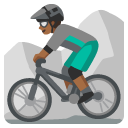
Appearance varies by platform and device. Google Noto, Twemoji, and OpenMoji are open-source.