👨🎤
The Emoji
Man Singer
U+1F468 U+200D U+1F3A4 · :man_singer:
Trend 58
Meaning layers
- interpretation
- Used to signal someone who is dramatic, extra, performing for attention, or unironically passionate about music. Also used as a self-identifier by aspiring artists.
- tiktok usage
- Appears in duets or reply videos when someone is singing, performing, or being theatrically emotional. Used in 'main character' energy content.
- irony level
- 5 / 10
Platform meanings
- meaning
- Represents performing, singing, or being dramatically expressive in video content.
- trend usage
- Used in lip-sync videos, original song posts, 'main character' montages, and singer reveal trends.
- hashtags
- #singertok#voiceover#musictok#maincharacter#singlife
- virality score
- 62 / 100
Cultural meanings
🇺🇸
Western / Gen-Z
Used ironically and sincerely — both as a 'main character' signifier and as genuine celebration of musical identity. Very common in TikTok and Instagram music culture.
🇵🇰
Pakistan & India
Commonly used to represent ghazal singers, Bollywood playback singers, or local musical talent. Carries high respect and is frequently used in social media posts about music reality shows.
🌍
Middle East
Associated with respected male vocalists in Arabic pop and classical traditions. Used sincerely in music appreciation posts and artist fan communities.
🌐
Global Neutral
Universally understood as a male singer or music performer. Carries positive connotations of talent and artistic expression across most global contexts.
🇧🇩
Bangladesh
Used to tag or celebrate local folk, Baul, or pop singers on social media. Often appears in posts about music competitions and cultural events.
🇱🇰
Sri Lanka
Represents traditional and contemporary male musicians, often used in posts celebrating local artists or Sri Lankan pop culture events.
🇨🇳
China
Associated with male C-pop idols and talent show contestants. Frequently used by fan communities (饭圈) to represent their favorite male vocalists.
🇯🇵
Japan
Linked to male J-pop artists, Visual Kei performers, and anime singer culture. Used by fans in concert reviews and idol fandom content on platforms like Twitter/X.
🇰🇷
South Korea
Heavily associated with K-pop male idols and vocalists. Extremely common in fan content, fancafe posts, and Twitter threads about male artists and groups.
🇹🇼
Taiwan
Used to celebrate Mandopop male singers and emerging indie artists. Common in fan posts and concert announcement sharing on Instagram and Facebook.
🇭🇰
Hong Kong
Tied to Cantopop tradition and respect for iconic male vocalists. Used both nostalgically for classic artists and for contemporary performers.
🇵🇭
Philippines
Associated with OPM (Original Pilipino Music) singers and contest culture (e.g., The Voice, Idol). Very positively received and used enthusiastically in fan communities.
🇮🇩
Indonesia
Represents pop, dangdut, or indie male singers. Commonly used in TikTok content celebrating local musicians and in music reality show fan discussions.
🇹🇭
Thailand
Used for T-pop and Thai indie male musicians. Appears in fan content on Twitter and TikTok, particularly around entertainment company artist announcements.
🇻🇳
Vietnam
Associated with V-pop male singers and ballad artists. Used in fan posts, music video comments, and social media celebrations of vocal talent.
🇲🇾
Malaysia
Represents local male pop and indie artists. Used in posts celebrating Malaysian music awards and fan interactions with artists on social media.
🇸🇦
Saudi Arabia
Used carefully but positively in the context of the growing entertainment industry post-Vision 2030 reforms. Represents male vocalists in an increasingly accepted public music scene.
🇦🇪
UAE
Used in cosmopolitan contexts celebrating both Arabic and international male musicians. Common in event announcements and concert promotions in Dubai and Abu Dhabi.
🇪🇬
Egypt
Strongly associated with iconic male Arabic singers and the rich tradition of Egyptian vocal music. Used with deep cultural respect and admiration for vocal artistry.
🇹🇷
Turkey
Linked to Turkish pop (Türkçe pop) and arabesque male singers. Used in fan communities, music show discussions, and nostalgic posts about classic artists.
🇮🇷
Iran
Used in diaspora communities and among youth to represent Persian music artists. Carries some sensitivity given restrictions on public music performance for men in certain contexts.
🇳🇬
Nigeria
Associated with Afrobeats, Afropop, and highlife male artists. Used enthusiastically in fan posts, music release celebrations, and concert announcements.
🇿🇦
South Africa
Represents male vocalists across genres including Amapiano, gospel, and kwaito. Used in music event promotions and artist appreciation posts.
🇬🇧
UK & Ireland
Casually used for any male singer or performatively for someone being dramatic. Associated with indie, grime, and pop music culture; used both sincerely and with British dry humor.
🇫🇷
France
Used to represent chansonniers, French pop, and international male artists. Carries a slightly sophisticated, artistic connotation in French digital culture.
🇩🇪
Germany
Straightforwardly represents male vocalists or performers. Used in concert announcements, music forum discussions, and fan community posts.
🇪🇸
Spain & Italy
Associated with passionate vocal performance and the romanticized male singer archetype (Latin lovers, opera tenors). Used enthusiastically in music-related content.
🇧🇷
Brazil
Linked to sertanejo, pagode, and samba male singers. Extremely popular in music event posts and is often used to hype up a male vocalist's performance.
🇲🇽
Mexico
Associated with mariachi vocalists, regional Mexican music, and pop artists. Used with cultural pride in music celebration posts and artist appreciation content.
🌎
Latin America
Broadly used to represent the celebrated tradition of male vocal performance in Latin music — from vallenato to reggaeton. High positive sentiment.
🇦🇺
Australia & NZ
Used casually and sometimes ironically in line with Aussie humor culture. Associated with both sincere music appreciation and mock-heroic use when someone is being theatrical.
How its meaning shifted
- 2010
The emoji did not yet exist in 2010; the ZWJ sequences for profession emojis were not introduced until later, so there was no digital representation of this concept as a single emoji.
- 2015
Still not yet introduced as a standardized emoji; early versions of profession ZWJ sequences were being developed. Users relied on 🎤 alone to imply a singer.
- 2020
Gained traction as profession emojis normalized. Used primarily by actual musicians and music fans in sincere contexts, with early ironic usage beginning to emerge on TikTok.
- 2026
Widely understood in both sincere (musician identity, music content) and ironic (drama, main character energy) registers. Integrated into music creator culture across all major platforms.
See it on every platform
Adjacent emojis
- Opposite
- mute personno entrysleeping face
- Often confused with
- man dancingman in tuxedoperson playing guitar
- Can replace
- microphonemusical notesheadphone
Share & embed
Frequently asked
01What does the 👨🎤 Man Singer emoji mean?
A male-presenting person depicted as a singer or music performer, often shown with a microphone or styled hair associated with rock/pop culture.
02What does 👨🎤 mean on TikTok?
Represents performing, singing, or being dramatically expressive in video content.
03What does 👨🎤 mean on WhatsApp?
Casually indicates someone is a singer, music lover, or is currently listening to/performing music.
04What does 👨🎤 mean in Gen-Z slang?
Used to signal someone who is dramatic, extra, performing for attention, or unironically passionate about music. Also used as a self-identifier by aspiring artists.
05Is the 👨🎤 emoji safe to use?
Represents a male singer, musician, or performer. Universally safe and positive in music and entertainment contexts.
06What does 👨🎤 mean in texting?
Represents the drive for self-expression and the desire to be seen and heard. Psychologically linked to extroversion, creative identity, and the performer archetype.
07What is the shortcode for 👨🎤?
The shortcode for Man Singer is :man_singer:
08What does 👨🎤 mean in dating?
Sent to someone to imply 'I'd serenade you' or to show off a musical personality as an attractive trait.
Safety & usage
- Safe meaning
- Represents a male singer, musician, or performer. Universally safe and positive in music and entertainment contexts.
- Caution
- Rarely used toxically; can occasionally be used condescendingly to imply someone is being performatively emotional or seeking attention.
No significant misuse patterns documented. Extremely low risk emoji with no known coded or harmful secondary meanings.
How it looks across platforms
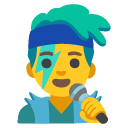


Appearance varies by platform and device. Google Noto, Twemoji, and OpenMoji are open-source.