🦿
The Emoji
Mechanical Leg
U+1F9BF · :mechanical_leg:
Trend 48
Meaning layers
- interpretation
- Used to signal resilience, badassery, or 'built different' energy. Also used ironically to say someone is 'so robotic' or emotionally detached. Sometimes paired with cyborg/robot aesthetics.
- tiktok usage
- Appears in transformation videos, disability pride content, gym motivation, and dark humor about being 'half machine.' Used in #CyborgVibes and biohacking subcultures.
- irony level
- 5 / 10
Platform meanings
- meaning
- Resilience, disability pride, cyborg aesthetics, or ironic 'I'm a machine' energy in gym and hustle content.
- trend usage
- Used in prosthetic reveal videos, adaptive athlete content, motivational transitions, and dark humor skits about being emotionally or physically 'mechanical.'
- hashtags
- #CyborgVibes#DisabilityPride#BuiltDifferent#AdaptiveAthlete#ProstheticLife
- virality score
- 52 / 100
Cultural meanings
🇺🇸
Western / Gen-Z
Primarily used as a symbol of resilience and 'built different' identity, with ironic use in sigma grindset and cyborg meme culture also common.
🇵🇰
Pakistan & India
Generally understood literally as representing a prosthetic limb; used in disability awareness campaigns and veteran/accident recovery discussions online.
🌍
Middle East
Commonly associated with disability and prosthetic limb contexts; used with respect in discussions about war veterans, accident survivors, and medical advancement.
🌐
Global Neutral
Universally recognized as a prosthetic or mechanical leg, used to represent disability, assistive technology, and physical resilience across cultures.
🇧🇩
Bangladesh
Used primarily in literal contexts related to disability, accidents, and medical recovery; disability pride usage is emerging but less prevalent.
🇱🇰
Sri Lanka
Understood as representing prosthetic limbs, often used in contexts discussing disability support, accident survivors, and veterans.
🇨🇳
China
Associated with advanced prosthetic technology and bionic innovation; also appears in sci-fi and tech aesthetics on platforms like Weibo and Bilibili.
🇯🇵
Japan
Connects to manga/anime cyborg aesthetics (e.g., Ghost in the Shell vibes) and is used in disability representation and technology innovation contexts.
🇰🇷
South Korea
Used in tech and innovation discussions, K-drama disability storylines, and Paralympic coverage; cyberpunk aesthetic use is growing among youth.
🇹🇼
Taiwan
Common in disability advocacy content and tech innovation discussions; also used in cyberpunk and gaming communities with sci-fi connotations.
🇭🇰
Hong Kong
Used in disability rights contexts and tech discussions; younger users incorporate it into cyberpunk and dystopian aesthetic content.
🇵🇭
Philippines
Primarily used in literal disability and medical recovery contexts; also appears in motivational content about overcoming physical adversity.
🇮🇩
Indonesia
Used in disability awareness posts, veteran support content, and motivational recovery narratives; cyberpunk use is niche but growing.
🇹🇭
Thailand
Associated with disability and prosthetic technology; used in medical and rehabilitation content, as well as motivational sports posts.
🇻🇳
Vietnam
Used in contexts related to war veterans with disabilities, prosthetic technology, and disability pride movements on social media.
🇲🇾
Malaysia
Common in disability support communities and medical technology discussions; also appears in youth tech and gaming content with cyborg themes.
🇸🇦
Saudi Arabia
Used primarily in contexts related to disability, veteran support, and medical advancement; tech innovation context is growing.
🇦🇪
UAE
Associated with cutting-edge medical and prosthetic technology given UAE's focus on innovation; used in healthcare and disability inclusion discussions.
🇪🇬
Egypt
Used in disability awareness, accident recovery, and veteran support contexts; less prevalent in ironic or aesthetic uses.
🇹🇷
Turkey
Appears in disability rights discussions, veteran community content, and medical technology news; motivational usage is also common.
🇮🇷
Iran
Used in disability and medical recovery contexts; war veterans' communities use it frequently given the country's history of conflict-related disabilities.
🇳🇬
Nigeria
Used in motivational and resilience content; disability representation is growing and the emoji appears in adaptive sports and recovery stories.
🇿🇦
South Africa
Used in disability pride, adaptive sports (especially Paralympic coverage), and medical technology discussions.
🇬🇧
UK & Ireland
Used across disability pride, adaptive athlete content, and dark humor communities; also fits into grime/cyberpunk aesthetics online.
🇫🇷
France
Associated with disability representation, Paralympic achievements (especially post-Paris 2024), and assistive technology innovation.
🇩🇪
Germany
Common in engineering and prosthetic technology discussions given Germany's strong medical device industry; also used in disability advocacy contexts.
🇪🇸
Spain & Italy
Used in Paralympic coverage, disability awareness campaigns, and motivational content; less common in ironic or meme contexts.
🇧🇷
Brazil
Appears in disability pride and adaptive sports content; also used in motivational memes and resilience narratives, especially around Carnival and sports culture.
🇲🇽
Mexico
Used in disability support communities and motivational content; darker humor contexts occasionally use it to reference 'being built tough.'
🌎
Latin America
Broadly used across Latin America for disability representation, adaptive sports, and resilience-themed motivational content.
🇦🇺
Australia & NZ
Used in disability advocacy, adaptive sports, and 'built different' motivational content; casual ironic usage exists in youth online culture.
How its meaning shifted
- 2010
The emoji did not exist yet; prosthetic limb representation in digital communication was absent from standard emoji sets.
- 2015
Still not part of Unicode; disability advocates were actively pushing for more inclusive emoji representation, with prosthetic limbs among the requested additions.
- 2020
Newly introduced in Unicode 12.0 (2019), the emoji gained traction in disability pride communities, adaptive athlete content, and early cyberpunk aesthetic circles on emerging platforms.
- 2026
Widely used across disability representation, Paralympic culture, cyborg/transhumanist aesthetics, and Gen Z 'built different' meme formats; increasingly mainstream in motivational and tech content.
See it on every platform
Compare with
Adjacent emojis
- Can replace
- mechanical armwheelchairflexed biceps
Share & embed
Frequently asked
01What does the 🦿 Mechanical Leg emoji mean?
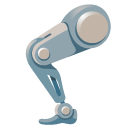
A mechanical or prosthetic leg, typically depicted in silver or gray metallic tones, representing assistive technology and physical augmentation.
02What does 🦿 mean on TikTok?
Resilience, disability pride, cyborg aesthetics, or ironic 'I'm a machine' energy in gym and hustle content.
03What does 🦿 mean on WhatsApp?
Referring to a prosthetic limb, joking about being robotic or exhausted like a machine, or expressing that someone is 'running on autopilot.'
04What does 🦿 mean in Gen-Z slang?
Used to signal resilience, badassery, or 'built different' energy. Also used ironically to say someone is 'so robotic' or emotionally detached. Sometimes paired with cyborg/robot aesthetics.
05Is the 🦿 emoji safe to use?
Represents prosthetic limbs, disability identity, adaptive technology, resilience, and bionic/cyberpunk aesthetics.
06What does 🦿 mean in texting?
Carries strong associations with overcoming adversity and reclaiming identity after physical loss. For disabled communities, it's a symbol of pride rather than limitation. For non-disabled users, it often represents 'upgraded' or 'unbreakable' self-image.
07What is the shortcode for 🦿?
The shortcode for Mechanical Leg is :mechanical_leg:
08What does 🦿 mean in dating?
Rarely used in flirting directly, but can be used humorously to say 'I'm built different' or to flex toughness to a romantic interest.
Safety & usage
- Safe meaning
- Represents prosthetic limbs, disability identity, adaptive technology, resilience, and bionic/cyberpunk aesthetics.
- Caution
- Rarely weaponized, but could be used mockingly toward disabled individuals in hostile online contexts; also occasionally misused in dehumanizing 'robot' insults.
Generally a safe and positive emoji. Care should be taken to avoid using it to mock or dehumanize disabled people. When used in ironic meme contexts, ensure it is not at the expense of disability communities.
How it looks across platforms


Appearance varies by platform and device. Google Noto, Twemoji, and OpenMoji are open-source.