🧜🏽
The Emoji
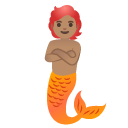
Merperson: Medium Skin Tone
U+1F9DC U+1F3FD · :merperson_medium_skin_tone:
Trend 58
Meaning layers
- interpretation
- Symbol of being otherworldly, mystical, or 'not like other people' — used to express a free-spirited, fluid, magical identity. Often tied to ocean aesthetics, fantasy, and non-conformity.
- tiktok usage
- Used in 'cottagecore' and 'dark academia' adjacent videos, ocean aesthetic content, or when someone feels ethereal or untethered from reality.
- irony level
- 4 / 10
Platform meanings
- meaning
- Fantasy identity expression, ocean aesthetic, and magical self-representation with medium skin tone inclusivity.
- trend usage
- Appears in 'mermaid transformation' trend videos, POV fantasy content, ocean GRWM (get ready with me) videos, and mythology explainers.
- hashtags
- #mermaidaesthetic#fantasycore#oceanvibes#mythicalcreature#mermaidentok
- virality score
- 62 / 100
Cultural meanings
🇺🇸
Western / Gen-Z
Strongly associated with fantasy identity, ocean aesthetics, and fluid gender expression — a beloved symbol in queer and aesthetic communities.
🇵🇰
Pakistan & India
Primarily understood as a mythological or fairy-tale reference, sometimes used by ocean lovers or those sharing fantasy content; deeper identity nuances are less commonly applied.
🌍
Middle East
Used largely as a fantasy or mythology reference, occasionally tied to Arabian Nights-adjacent folklore imagery; gender-neutral connotations are generally not widely recognized.
🌐
Global Neutral
Universally understood as a mythical aquatic being, used to express love for the ocean, fantasy, and magical themes across all demographics.
🇧🇩
Bangladesh
Seen as a fairy-tale creature reference, occasionally used in fantasy-themed social media content or by those expressing a love of the sea.
🇱🇰
Sri Lanka
Used as a fantasy and ocean reference; coastal culture makes ocean-adjacent emojis relatively popular, though the mythological angle is primary.
🇨🇳
China
Associated with Western mermaid mythology (美人鱼 mèirényú); used in fantasy fandom spaces and ocean aesthetic content, with the skin tone modifier noted for representation.
🇯🇵
Japan
Connected to the kappa and ningyo (人魚) folklore tradition; used in fantasy, anime-adjacent, and ocean content, appreciated for its mythological richness.
🇰🇷
South Korea
Popular in fantasy webtoon and K-drama fandom contexts, especially after mermaid-themed dramas; the medium skin tone is appreciated for inclusivity.
🇹🇼
Taiwan
Used in ocean and fantasy content; appreciated in progressive communities for its gender-neutral and skin-tone-inclusive design.
🇭🇰
Hong Kong
Primarily used for ocean and fantasy references; sometimes tied to coastal identity and maritime culture.
🇵🇭
Philippines
Resonates strongly given rich maritime culture and local mythologies like the 'sirena'; used in ocean content, folklore discussions, and fantasy media fandom.
🇮🇩
Indonesia
Connected to local sea mythology and the ocean-centric culture of the archipelago; used in fantasy and maritime content.
🇹🇭
Thailand
Used in fantasy and ocean content; resonates with local water deity folklore like the 'Naga' adjacent aquatic beings.
🇻🇳
Vietnam
Used primarily as a fantasy creature reference; ocean themes are culturally relevant given the country's extensive coastline.
🇲🇾
Malaysia
Associated with ocean culture and local water mythology; used in fantasy content and coastal lifestyle posts.
🇸🇦
Saudi Arabia
Primarily a fantasy/mythological reference with limited cultural resonance beyond that; used in fandom and ocean content by younger users.
🇦🇪
UAE
Used among younger, globally connected users for fantasy aesthetics and ocean content; the diverse population means varied interpretations.
🇪🇬
Egypt
Connected to Mediterranean and Red Sea maritime culture; used in fantasy and ocean contexts, with some connection to ancient mythology aesthetics.
🇹🇷
Turkey
Associated with Aegean and Mediterranean sea culture; used in ocean lifestyle content and fantasy media discussions.
🇮🇷
Iran
Used primarily as a Western fantasy creature reference; appreciated in fantasy fandom spaces and artistic communities.
🇳🇬
Nigeria
Used in fantasy and entertainment contexts; resonates with growing Afro-fantasy and mythology movements celebrating diverse mythical creatures.
🇿🇦
South Africa
Used in ocean lifestyle content given the country's coastline; also appears in fantasy and diverse representation discussions.
🇬🇧
UK & Ireland
Strongly tied to Celtic and British maritime folklore; used in fantasy, ocean aesthetic, and LGBTQ+ inclusive identity spaces.
🇫🇷
France
Associated with fantasy and ocean elegance; used in aesthetic and mythology-adjacent content with an appreciation for the gender-neutral design.
🇩🇪
Germany
Used in fantasy fandom spaces and ocean content; the inclusive, gender-neutral aspect is positively received in progressive communities.
🇪🇸
Spain & Italy
Connected to Mediterranean sea culture and classical mythology; used in ocean lifestyle and fantasy content with cultural enthusiasm.
🇧🇷
Brazil
Deeply resonant due to the Iara (river mermaid) tradition in Brazilian folklore; widely used in ocean content, fantasy, and cultural pride posts.
🇲🇽
Mexico
Used in fantasy and ocean content; some connection to pre-Columbian water deity imagery makes it culturally interesting to mythology enthusiasts.
🌎
Latin America
Broadly used across Latin America in ocean and fantasy content; resonates with various regional water mythology traditions.
🇦🇺
Australia & NZ
Strongly tied to ocean culture and beach lifestyle; used in coastal content, fantasy posts, and appreciated for Māori and Indigenous water spirit resonance in NZ.
How its meaning shifted
- 2010
The merperson emoji did not yet exist; mermaid concepts were expressed through text or generic ocean emojis like 🌊.
- 2015
Early emoji use; primarily used as a literal mermaid/fantasy reference with no gender-neutral nuance widely recognized.
- 2020
Gained popularity in ocean aesthetics, cottagecore-adjacent fantasy, and early gender-neutral identity expression; skin tone variants began seeing more intentional use.
- 2026
A fully established symbol of mystical identity, ocean aesthetics, mermaidcore fashion, and inclusive/fluid identity expression across all major platforms.
See it on every platform
Adjacent emojis
- Opposite
- robot facedesert islandfire
- Often confused with
- fairyelfperson surfing
- Can replace
- mermaidwater wavesparkles
Share & embed
Frequently asked
01What does the 🧜🏽 Merperson: Medium Skin Tone emoji mean?
A mythical aquatic creature with a human upper body and a fish tail, shown with medium skin tone. Gender-neutral variation of mermaid/merman.
02What does 🧜🏽 mean on TikTok?
Fantasy identity expression, ocean aesthetic, and magical self-representation with medium skin tone inclusivity.
03What does 🧜🏽 mean on WhatsApp?
Signals a dreamy, whimsical mood or is used when talking about the beach, ocean, or fantasy topics.
04What does 🧜🏽 mean in Gen-Z slang?
Symbol of being otherworldly, mystical, or 'not like other people' — used to express a free-spirited, fluid, magical identity. Often tied to ocean aesthetics, fantasy, and non-conformity.
05Is the 🧜🏽 emoji safe to use?
A mythical ocean creature used for fantasy, ocean aesthetics, identity expression, and inclusive representation.
06What does 🧜🏽 mean in texting?
Merpeople symbolize a desire to transcend human limitations — often reflecting feelings of not fully belonging to one world, embodying duality and the allure of the unknown.
07What is the shortcode for 🧜🏽?
The shortcode for Merperson: Medium Skin Tone is :merperson_medium_skin_tone:
08What does 🧜🏽 mean in dating?
Used flirtatiously to suggest mystery, allure, or an enchanting personality — 'I'm magical and hard to catch.'
Safety & usage
- Safe meaning
- A mythical ocean creature used for fantasy, ocean aesthetics, identity expression, and inclusive representation.
- Caution
- Extremely rarely weaponized; in fringe cases used to mock someone as 'delusional' or 'not real/not grounded in reality.'
Largely safe across contexts. The gender-neutral design may occasionally attract bad-faith commentary in highly polarized online spaces, but this is uncommon.
How it looks across platforms


Appearance varies by platform and device. Google Noto, Twemoji, and OpenMoji are open-source.