📵
The Emoji
No Mobile Phones
U+1F4F5 · :no_mobile_phones:
Trend 45
Meaning layers
- interpretation
- Used to signal a digital detox, offline vibes, or to dramatically declare someone is being ghosted or blocked. Also used ironically when someone is clearly always on their phone.
- tiktok usage
- Appears in 'phone-free challenge' videos, detox aesthetics, and ironically in captions when creators are literally making content on their phones.
- irony level
- 8 / 10
Platform meanings
- meaning
- Signals a digital detox trend, no-phone challenges, or ironic commentary about being addicted to the very device being used to view the content.
- trend usage
- Appears in detox vlogs, 'spend a day without your phone' challenges, and school/exam countdown videos.
- hashtags
- #digitaldetox#nophonechallenge#phonefree#detoxvlog#offlinechallenge
- virality score
- 52 / 100
Cultural meanings
🇺🇸
Western / Gen-Z
Primarily used ironically — Gen Z in Western countries see it as a meme about the impossibility of actually putting down your phone, and use it in detox content they watch on their phones.
🇵🇰
Pakistan & India
Used practically and seriously in contexts like exams, mosque/temple etiquette, and family gatherings, reflecting genuine social norms around appropriate phone-use boundaries.
🌍
Middle East
Commonly used to signal phone restrictions in religious settings like mosques, formal government meetings, and family gatherings where phone use is considered disrespectful.
🌐
Global Neutral
Universally understood as a sign of phone restriction or digital boundary-setting, used across cultures without significant misinterpretation in its literal form.
🇧🇩
Bangladesh
Used in educational and religious contexts to indicate phone-free zones, particularly during exams, prayers, and formal social events.
🇱🇰
Sri Lanka
Seen in the context of religious site signage and cultural events where phone use is frowned upon, with the emoji mirroring real-world social expectations.
🇨🇳
China
Used in WeChat groups for workplace meeting etiquette reminders and study group announcements, reflecting China's productivity-focused digital culture norms.
🇯🇵
Japan
Deeply resonates with Japanese train etiquette culture where phone calls are strictly prohibited in certain carriages — this emoji maps directly to real-life signage and social norms.
🇰🇷
South Korea
Associated with focused study culture (studygram, study cafes) and used in K-pop fan communities ironically when idols or fans declare phone-free periods.
🇹🇼
Taiwan
Used similarly to Japan in contexts of public etiquette and study culture, with additional ironic use in digital wellness content among younger Taiwanese users.
🇭🇰
Hong Kong
Used in professional and protest organizing contexts to signal communication blackout periods or phone-free strategy sessions, carrying extra weight given regional context.
🇵🇭
Philippines
Used in school and church contexts where phone bans are taken seriously, but also used humorously in Filipino social media about the impossibility of staying offline.
🇮🇩
Indonesia
Frequently used in Islamic religious contexts (during prayers, Friday sermons) and educational settings, where phone-free zones are both respected and enforced.
🇹🇭
Thailand
Used in temple visit reminders and formal event contexts, reflecting Thailand's cultural emphasis on respectful behavior in sacred and formal spaces.
🇻🇳
Vietnam
Associated with classroom rules and family meal etiquette where elders expect phone-free presence, reflecting Confucian-influenced social norms around respect.
🇲🇾
Malaysia
Used across multicultural contexts — in mosques, temples, churches, and government buildings — reflecting Malaysia's diverse but shared respect for phone-free zones.
🇸🇦
Saudi Arabia
Strictly associated with religious settings, government offices, and formal gatherings where phone use is prohibited; taken very literally with little ironic usage.
🇦🇪
UAE
Used both literally in formal and religious contexts and digitally in productivity culture content, reflecting Dubai's blend of traditional values and modern tech-savvy culture.
🇪🇬
Egypt
Associated with mosque etiquette and formal social events; also used in Egyptian social media humor about how no one actually follows the no-phone rule.
🇹🇷
Turkey
Used in school and professional contexts, but also appears in humor about Turkish café culture where people are paradoxically always on their phones.
🇮🇷
Iran
Used in formal, educational, and religious contexts where phone use is restricted; carries an additional layer of meaning around digital surveillance awareness.
🇳🇬
Nigeria
Used humorously in Nigerian social media culture to call out people who are constantly on their phones, and practically in church and formal event announcements.
🇿🇦
South Africa
Appears in workplace and educational contexts, and increasingly in digital wellness content influenced by global trends around screen time and mental health.
🇬🇧
UK & Ireland
Used with dry British humor — ironic detachment is key, often posted when someone is clearly unable to put their phone down, or in pub etiquette debates.
🇫🇷
France
Resonates with French cultural appreciation for present-moment dining and conversation; used in discussions about phone-free restaurant and social gathering etiquette.
🇩🇪
Germany
Taken fairly literally in German digital culture where rules are respected — used in work meeting contexts and increasingly in discussions about child phone use legislation.
🇪🇸
Spain & Italy
Used ironically in cultures where social gatherings are vibrant and phone use during meals is seen as rude, but everyone does it anyway — self-aware humor dominates.
🇧🇷
Brazil
Appears in Brazilian social media with high irony — Brazilian internet culture is hyper-connected, so this emoji is used almost exclusively as a joke about the impossibility of going offline.
🇲🇽
Mexico
Used humorously in family gathering contexts where abuelos demand no phones at the table, and practically in school and church announcements about device policies.
🌎
Latin America
Broadly used across Latin America in educational and religious contexts, with growing ironic use in digital wellness content among younger Latin American social media users.
🇦🇺
Australia & NZ
Used casually and with humor in contexts about beach days and camping trips away from connectivity, and practically in school and workplace meeting policy discussions.
How its meaning shifted
- 2010
Primarily used in its literal sense to represent actual no-phone-zone signs found in hospitals, cinemas, and exam halls — almost no ironic or cultural usage existed.
- 2015
Began appearing in social media bios and statuses to signal unavailability or digital breaks as smartphone addiction discourse started entering mainstream conversation.
- 2020
Surged in usage during pandemic-era digital fatigue and Zoom burnout, widely adopted in digital detox content, productivity culture, and ironic 'I'm taking a break' posts.
- 2026
Deeply embedded in ironic Gen Z culture, digital wellness aesthetics, and school phone-ban political debates; used with maximum irony as most people consume it on the very device it prohibits.
See it on every platform
Emoji combinations
Adjacent emojis
- Often confused with
- prohibitedno entryanger symbol
- Can replace
- bell with slashprohibitedsleeping face
Share & embed
Frequently asked
01What does the 📵 No Mobile Phones emoji mean?
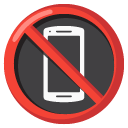
A mobile phone inside a red circle with a diagonal slash through it, universally indicating that mobile phones are prohibited or should not be used in the area or context.
02What does 📵 mean on TikTok?
Signals a digital detox trend, no-phone challenges, or ironic commentary about being addicted to the very device being used to view the content.
03What does 📵 mean on WhatsApp?
Sent to indicate 'I'm going off the grid' or 'don't call/text me for a while', often used before a break or trip.
04What does 📵 mean in Gen-Z slang?
Used to signal a digital detox, offline vibes, or to dramatically declare someone is being ghosted or blocked. Also used ironically when someone is clearly always on their phone.
05Is the 📵 emoji safe to use?
Represents phone-free zones, digital boundaries, etiquette reminders, and digital wellness — completely benign and widely appropriate across all ages and contexts.
06What does 📵 mean in texting?
Evokes a sense of liberation for some (digital detox relief) and anxiety for others (FOMO, disconnection from social validation), reflecting modern society's complex relationship with smartphones.
07What is the shortcode for 📵?
The shortcode for No Mobile Phones is :no_mobile_phones:
08What does 📵 mean in dating?
Rarely used flirtatiously, but can be sent to suggest 'put the phone down and focus on us' during a date — a subtle nudge for undivided attention.
Safety & usage
- Safe meaning
- Represents phone-free zones, digital boundaries, etiquette reminders, and digital wellness — completely benign and widely appropriate across all ages and contexts.
- Caution
- Could be used passive-aggressively in relationships to signal someone is being ignored or deliberately kept out of contact, or to mock someone for their phone addiction.
Extremely low-risk emoji with no significant misuse patterns; the passive-aggressive use in relationship contexts is the only notable concern but remains mild.
How it looks across platforms


Appearance varies by platform and device. Google Noto, Twemoji, and OpenMoji are open-source.