🔩
The Emoji
Nut And Bolt
U+1F529 · :nut_and_bolt:
Trend 28
Meaning layers
- interpretation
- Used to signal that something is 'nuts and bolts' — basic, fundamental, or getting into the mechanics of something. Also slang for 'working the details' or being a nerd about technical stuff.
- tiktok usage
- Appears in DIY, engineering, and STEM TikToks to signal technical content. Sometimes used sarcastically for 'this is how it works' explainer videos.
- irony level
- 4 / 10
Platform meanings
- meaning
- Signals technical, DIY, engineering, or 'how things work' content. Used to tag mechanical or instructional videos.
- trend usage
- Common in STEM TikTok, shop class content, satisfying factory/assembly videos, and garage project reveals.
- hashtags
- #DIYTikTok#EngineeringTikTok#NutsAndBolts#MakerTok#HowItsMade
- virality score
- 32 / 100
Cultural meanings
🇺🇸
Western / Gen-Z
Used casually in maker and STEM contexts, often ironically in 'let me explain the mechanics of this disaster' meme formats. Associated with DIY culture and engineering identity.
🇵🇰
Pakistan & India
Commonly used in construction, auto repair, and manufacturing industry chats. Also popular among engineering students and professionals to signal their field.
🌍
Middle East
Associated with construction booms and manufacturing industries in the region. Used in trade and technical professional circles to signal hands-on work.
🌐
Global Neutral
Universally understood as a symbol of tools, fixing things, and mechanical work. One of the clearest cross-cultural utility emojis with minimal ambiguity.
🇧🇩
Bangladesh
Used heavily in garment manufacturing, construction, and engineering industry communications. Signals manual labor pride and technical expertise.
🇱🇰
Sri Lanka
Common in construction and infrastructure project communications. Also used by engineering students to signal their academic identity.
🇨🇳
China
Popular in manufacturing, industrial, and engineering WeChat and social media contexts. Symbolizes the backbone of industrial productivity.
🇯🇵
Japan
Used with high precision — in monozukuri (craftsmanship) culture, it represents the spirit of meticulous making and engineering excellence.
🇰🇷
South Korea
Common among engineering and technology students and professionals. Also appears in 'study grind' and 'build culture' contexts on Korean social media.
🇹🇼
Taiwan
Used in semiconductor, manufacturing, and tech hardware communities. Signals technical precision and the island's strong industrial identity.
🇭🇰
Hong Kong
Used in engineering and construction professional contexts. Also appears in urban infrastructure discussion threads on social media.
🇵🇭
Philippines
Common in OFW (overseas worker) communities, especially among construction and industrial workers abroad. Signals hard work and technical labor.
🇮🇩
Indonesia
Used in construction, automotive, and manufacturing industry chats. Popular among vocational school students to signal their trade identity.
🇹🇭
Thailand
Associated with automotive culture and mechanical repair industries. Used in garage and workshop communities on Thai social platforms.
🇻🇳
Vietnam
Common in manufacturing and assembly industry communications. Also used by engineering students to represent their field of study.
🇲🇾
Malaysia
Used in engineering, construction, and technical education contexts. Appears in maker communities and vocational training content.
🇸🇦
Saudi Arabia
Associated with the kingdom's massive construction and infrastructure projects. Used in professional circles related to Vision 2030 industrial development.
🇦🇪
UAE
Linked to Dubai's iconic construction culture and mega-project energy. Used in engineering and architecture professional communications.
🇪🇬
Egypt
Used in construction, engineering, and trade industries along the Nile corridor. Signals technical expertise and manual craftsmanship.
🇹🇷
Turkey
Common in manufacturing, construction, and automotive repair communities. Turkey's strong industrial base makes this a recognizable professional symbol.
🇮🇷
Iran
Used among engineering students and professionals — Iran has a large engineering graduate population where this emoji resonates strongly.
🇳🇬
Nigeria
Used in construction, petroleum industry, and technical trades. Signals professional identity and hard work in skilled labor contexts.
🇿🇦
South Africa
Common in mining, engineering, and construction industry communications. Also used in maker and DIY communities in urban South Africa.
🇬🇧
UK & Ireland
Used in tradespeople, DIY culture, and engineering communities. Also appears in dry British humor about 'fixing things properly' versus botched repairs.
🇫🇷
France
Used in engineering and industrial design contexts. French grandes écoles engineering culture gives this emoji a prestigious, precise connotation.
🇩🇪
Germany
Highly valued in German engineering culture (Ingenieurskunst). Used seriously and proudly in automotive, mechanical, and precision manufacturing contexts.
🇪🇸
Spain & Italy
Associated with artisanal manufacturing and industrial design. Used in maker communities and engineering education with pride in craft.
🇧🇷
Brazil
Common in 'gambiarra' (improvised fix) culture memes and serious engineering contexts alike. Signals both resourceful fixing and professional construction.
🇲🇽
Mexico
Used in construction, auto repair, and manufacturing industry chats. Also appears in 'arreglando cosas' (fixing things) cultural humor content.
🌎
Latin America
Broadly used across Latin American construction, manufacturing, and trade communities. Signals skilled labor, resourcefulness, and technical pride.
🇦🇺
Australia & NZ
Strong association with tradie (tradesperson) culture. Used in plumbing, construction, and mechanical communities with pride and humor.
How its meaning shifted
- 2010
Used almost exclusively in its literal sense — representing physical hardware, tools, and mechanical work in early emoji adoption on iOS and Android.
- 2015
Began appearing in tech and startup culture as a metaphor for 'building things' and 'getting into the mechanics.' Engineering Twitter started adopting it.
- 2020
Embraced by DIY and maker culture on TikTok and Instagram. Also entered ironic meme territory for 'explaining the nuts and bolts of something ridiculous.'
- 2026
Established symbol of maker identity, STEM culture, and technical explainer content. Used across platforms in both serious engineering contexts and ironic GenZ humor about overanalyzing things.
See it on every platform
Compare with
Adjacent emojis
- Can replace
- wrenchhammer and wrenchgear
Share & embed
Frequently asked
01What does the 🔩 Nut And Bolt emoji mean?
A hexagonal nut paired with a bolt, representing mechanical fastening hardware used in construction, engineering, and manufacturing.
02What does 🔩 mean on TikTok?
Signals technical, DIY, engineering, or 'how things work' content. Used to tag mechanical or instructional videos.
03What does 🔩 mean on WhatsApp?
Casual shorthand for 'fixing something' or 'working on it.' Sent when someone is in the middle of a repair or project.
04What does 🔩 mean in Gen-Z slang?
Used to signal that something is 'nuts and bolts' — basic, fundamental, or getting into the mechanics of something. Also slang for 'working the details' or being a nerd about technical stuff.
05Is the 🔩 emoji safe to use?
A completely safe, literal representation of mechanical hardware used in construction and engineering contexts.
06What does 🔩 mean in texting?
Evokes a sense of orderliness and mechanical competence. Psychologically associated with problem-solving, hands-on work, and systematic thinking rather than emotional expression.
07What is the shortcode for 🔩?
The shortcode for Nut And Bolt is :nut_and_bolt:
08What does 🔩 mean in dating?
Rarely used in flirting, but can be sent as a playful nod toward 'let me fix things for you' provider energy, or jokingly as part of the 'I'm handy' flex.
Safety & usage
- Safe meaning
- A completely safe, literal representation of mechanical hardware used in construction and engineering contexts.
- Caution
- Extremely rare toxic usage — occasionally used in coded language in niche communities, but no widespread harmful connotation documented.
No significant safety concerns. This emoji has an exceptionally clean public image with virtually no documented misuse at scale.
How it looks across platforms
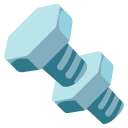


Appearance varies by platform and device. Google Noto, Twemoji, and OpenMoji are open-source.