👴🏾
The Emoji
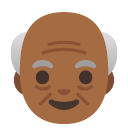
Old Man: Medium-dark Skin Tone
U+1F474 U+1F3FE · :old_man_mediumdark_skin_tone:
Trend 32
Meaning layers
- interpretation
- Often used to refer to a dad, grandpa, or any older man figure; also deployed ironically to call someone out for acting old-fashioned or out of touch.
- tiktok usage
- Used in comment sections to tag or refer to older male relatives, or sarcastically when someone posts something extremely uncool or outdated.
- irony level
- 5 / 10
Platform meanings
- meaning
- Represents a grandfather figure or an older man; used humorously when someone acts ancient or out of touch.
- trend usage
- Appears in POV videos, 'things my grandpa says' trends, and intergenerational humor skits.
- hashtags
- #grandpa#oldman#elderlyhumor#generationalgap#familyvibes
- virality score
- 38 / 100
Cultural meanings
🇺🇸
Western / Gen-Z
Primarily used ironically to signal someone is acting old or outdated; also used warmly in sincere grandfather appreciation posts.
🇵🇰
Pakistan & India
Deeply respectful connotation — represents 'dada' or 'nana' (grandfather figures) and is used affectionately in family messaging and social media tributes.
🌍
Middle East
Symbolizes the respected patriarch ('jaddi' or elder uncle); used with reverence in family and community contexts.
🌐
Global Neutral
Universally understood as representing an elderly man; interpreted either warmly (family) or humorously (aging jokes) depending on context.
🇧🇩
Bangladesh
Used to represent grandfather ('dadu' or 'nana') figures; carries deep familial respect and is common in family group chats and elder tribute posts.
🇱🇰
Sri Lanka
Represents elder male figures with high social respect; used in family settings and community recognition posts.
🇨🇳
China
Represents 爷爷 (yéye, paternal grandfather) or 外公 (wàigōng, maternal grandfather); carries strong connotations of Confucian filial piety and elder respect.
🇯🇵
Japan
Evokes 'ojii-san' (grandfather); used with warmth in family contexts and sometimes in gentle self-deprecating humor about acting old-fashioned.
🇰🇷
South Korea
Represents 할아버지 (harabeoji, grandfather); used respectfully in family chats and increasingly in generational humor on platforms like KakaoTalk.
🇹🇼
Taiwan
Similar to China — represents grandfather with strong respect; also used in nostalgic or heritage content online.
🇭🇰
Hong Kong
Used to represent grandfather figures; carries both sincere family warmth and occasional light humor about older generations resisting technology.
🇵🇭
Philippines
Represents 'Lolo' (grandfather); deeply affectionate usage in family group chats and social media posts celebrating elder relatives.
🇮🇩
Indonesia
Represents 'kakek' (grandfather); used with warmth in family contexts and occasionally in humor about generational technology gaps.
🇹🇭
Thailand
Represents 'ปู่' (grandfather, paternal) or 'ตา' (maternal grandfather); used in family appreciation posts and elder care content.
🇻🇳
Vietnam
Represents 'ông nội' or 'ông ngoại' (grandfather); highly respected connotation used in sincere family posts and elder tributes.
🇲🇾
Malaysia
Used to represent 'datuk' (grandfather) with affection; also appears in humor about tech-challenged older relatives.
🇸🇦
Saudi Arabia
Represents respected elder male figures ('jadd' or 'sheikh'-like elder); used with high reverence in family and community messaging.
🇦🇪
UAE
Similar to Saudi Arabia — strong respectful usage for elder male family figures; appears in family milestone and Eid celebration posts.
🇪🇬
Egypt
Represents 'giddo' (grandfather in Egyptian Arabic); used warmly in family group chats and social media birthday or tribute posts.
🇹🇷
Turkey
Represents 'dede' (grandfather); used affectionately in family contexts and occasionally in humor about generational attitude differences.
🇮🇷
Iran
Represents 'pedar bozorg' (grandfather); deeply respectful usage in family messaging and social media elder tribute posts.
🇳🇬
Nigeria
Represents the respected elder or grandfather figure; used with reverence in family contexts and in cultural pride content celebrating elders.
🇿🇦
South Africa
Used to represent grandfather figures across diverse cultural groups; warmly received in family-oriented posts and elder appreciation content.
🇬🇧
UK & Ireland
Used affectionately for 'grandad' or 'granda'; also deployed humorously in British internet culture to call out old-fashioned or 'crusty' opinions.
🇫🇷
France
Represents 'papi' or 'grand-père'; used warmly in family contexts with occasional ironic usage in humor about outdated cultural attitudes.
🇩🇪
Germany
Represents 'Opa' (grandfather); used sincerely in family communications and sometimes in humor about generational tech divides.
🇪🇸
Spain & Italy
Represents 'abuelo' (Spanish) or 'nonno' (Italian); deeply warm family connotation; widely used in multigenerational family social media posts.
🇧🇷
Brazil
Represents 'vovô' (grandfather); used warmly in family content and popular in generational humor — 'coisa de velho' (old man thing) jokes.
🇲🇽
Mexico
Represents 'abuelo'; used with deep family affection in social media posts celebrating elder relatives, especially around Día de los Muertos context.
🌎
Latin America
Broadly represents the grandfather or respected elder figure across Latin American cultures; warm, familial, and celebratory usage dominates.
🇦🇺
Australia & NZ
Used affectionately for 'grandpa' or 'gramps'; also appears in dry humor contexts calling out someone for acting antiquated or behind the times.
How its meaning shifted
- 2010
Emoji were just beginning mass adoption; elderly person emojis were rarely used and primarily interpreted literally as old age representation without humor layers.
- 2015
Usage grew as family group chats became mainstream; primarily used sincerely to represent grandfather figures in WhatsApp and Facebook family communication.
- 2020
Ironic and meme usage surged alongside 'OK Boomer' cultural discourse; the emoji gained dual meaning — sincere family use and generational critique humor.
- 2026
Remains a versatile emoji balancing sincere family representation and ironic generational humor; the medium-dark skin tone variant is actively embraced in diverse cultural communities for authentic elder representation.
See it on every platform
Compare with
Adjacent emojis
Share & embed
Frequently asked
01What does the 👴🏾 Old Man: Medium-dark Skin Tone emoji mean?
Depicts an elderly man with medium-dark skin tone, typically shown with white or gray hair and wrinkles, representing an older male individual.
02What does 👴🏾 mean on TikTok?
Represents a grandfather figure or an older man; used humorously when someone acts ancient or out of touch.
03What does 👴🏾 mean on WhatsApp?
Refers to a grandfather, elderly uncle, or older male family member in family group chats.
04What does 👴🏾 mean in Gen-Z slang?
Often used to refer to a dad, grandpa, or any older man figure; also deployed ironically to call someone out for acting old-fashioned or out of touch.
05Is the 👴🏾 emoji safe to use?
Represents an elderly man of medium-dark skin tone; used for family representation, elder appreciation, and generational humor.
06What does 👴🏾 mean in texting?
Evokes feelings of intergenerational connection, warmth toward elder family members, and sometimes gentle humor around aging — rarely carrying strong negative sentiment.
07What is the shortcode for 👴🏾?
The shortcode for Old Man: Medium-dark Skin Tone is :old_man_mediumdark_skin_tone:
08What does 👴🏾 mean in dating?
Not typically used in flirtatious contexts; occasionally used self-deprecatingly by older men on dating apps to acknowledge their age with humor.
Safety & usage
- Safe meaning
- Represents an elderly man of medium-dark skin tone; used for family representation, elder appreciation, and generational humor.
- Caution
- Could potentially be used in ageist or racist contexts — combining age stereotypes with skin tone targeting — though this is uncommon.
Generally safe; monitor for ageist misuse or combination with skin-tone-targeting commentary in toxic online spaces.
How it looks across platforms


Appearance varies by platform and device. Google Noto, Twemoji, and OpenMoji are open-source.