🚴
The Emoji
Person Biking
U+1F6B4 · :person_biking:
Trend 58
Meaning layers
- interpretation
- Used to signal hustle, grinding, or being in your own lane — literally and metaphorically. Also used to flex fitness routines or mock someone going in circles on a pointless endeavor.
- tiktok usage
- Appears in workout, cycling aesthetic, and 'main character' content. Sometimes ironically used when someone is 'cycling through' the same bad decisions.
- irony level
- 4 / 10
Platform meanings
- meaning
- Fitness motivation, cycling lifestyle, or ironic representation of going in circles with bad habits.
- trend usage
- Used in cycling vlogs, 'day in my life' fitness content, outdoor challenge videos, and occasionally in self-deprecating humor about repetitive mistakes.
- hashtags
- #CyclingLife#BikeRide#FitnessTok#OutdoorVibes#CyclingTikTok
- virality score
- 62 / 100
Cultural meanings
🇺🇸
Western / Gen-Z
Represents fitness culture, eco-consciousness, and an active identity. Also used ironically to describe going in circles on life decisions or 'grinding' with no progress.
🇵🇰
Pakistan & India
Primarily literal — represents cycling as a mode of transport or sport. Occasionally used in fitness and wellness social media by urban youth to signal a modern, health-conscious lifestyle.
🌍
Middle East
Mainly literal usage related to cycling sport or recreation. In Gulf states, associated with recreational cycling on dedicated tracks; less common as a daily commute symbol.
🌐
Global Neutral
Universally understood as representing cycling or biking — safe, positive, and activity-oriented with no culturally loaded connotations.
🇧🇩
Bangladesh
Largely literal, representing cycling which is a common mode of transport. Also used in youth fitness content to signal aspiration toward an active lifestyle.
🇱🇰
Sri Lanka
Used literally to represent cycling as transport or leisure. Among younger social media users, it signals fitness goals and outdoor activity.
🇨🇳
China
Associated with cycling culture (historically massive in China), fitness apps, and the rise of bike-sharing platforms like Mobike. Also used in sports content around professional cycling.
🇯🇵
Japan
Tied to both practical cycling commutes and cycling tourism culture. Used in fitness communities and reflects Japan's strong recreational cycling infrastructure.
🇰🇷
South Korea
Popular in fitness and health-conscious social media circles. Associated with Han River bike path culture and weekend outdoor activities among young Koreans.
🇹🇼
Taiwan
Strongly positive — Taiwan has a robust cycling culture and is home to major bike manufacturers. Used to celebrate both sport cycling and scenic island bike routes.
🇭🇰
Hong Kong
Used mainly for recreational cycling content, given limited cycling infrastructure. Represents weekend leisure rides on dedicated tracks like the New Territories paths.
🇵🇭
Philippines
Saw a major boost post-pandemic when cycling boomed as transport and fitness. Associated with the 'bikelife' community and cycling advocacy movements in urban areas.
🇮🇩
Indonesia
Cycling boomed during COVID-19 and the emoji is associated with the popular 'gowes' (cycling) trend. Used widely in community cycling group content on WhatsApp and Instagram.
🇹🇭
Thailand
Represents both recreational cycling and the growing cycling tourism industry. Used in content about scenic cycling routes and health-focused communities.
🇻🇳
Vietnam
Associated with traditional cycling culture and the modern fitness boom. Used in content ranging from practical commuting to competitive sport cycling groups.
🇲🇾
Malaysia
Tied to recreational cycling clubs and weekend cycling culture. Used in fitness content, cycling events, and eco-commuting advocacy.
🇸🇦
Saudi Arabia
Reflects the growing Vision 2030 push for sports and recreation. Associated with newly built cycling tracks and the rise of cycling as a trendy fitness activity, especially among youth.
🇦🇪
UAE
Connected to the UAE's investment in cycling infrastructure and events like Abu Dhabi Tour. Used in fitness and luxury active lifestyle content.
🇪🇬
Egypt
Primarily used for sport cycling and recreational riding along the Nile or in parks. Associated with fitness clubs and youth sports communities on social media.
🇹🇷
Turkey
Represents both sport cycling in hilly terrain and growing urban cycling movements. Used in fitness content and eco-transport advocacy in cities like Istanbul.
🇮🇷
Iran
Used in cycling sport and fitness contexts. Recreational cycling is popular, and the emoji appears in sports community content and outdoor activity posts.
🇳🇬
Nigeria
Primarily represents cycling as transport in some regions and sport in urban areas. Used in fitness content by Lagos and Abuja's growing health-conscious social media community.
🇿🇦
South Africa
Associated with South Africa's strong cycling culture, including iconic events like Cape Town Cycle Tour. Used in sport, fitness, and outdoor adventure content.
🇬🇧
UK & Ireland
Strongly tied to commuter cycling culture, Tour de France fandom, and the influence of British cycling champions. Used in both serious sport and everyday commute content.
🇫🇷
France
Deeply culturally resonant — France is home to the Tour de France, and cycling is a national cultural identity. The emoji carries strong sport prestige alongside everyday cycling culture.
🇩🇪
Germany
Represents Germany's highly developed cycling infrastructure and strong bike culture. Used sincerely across fitness, commuting, and environmental sustainability content.
🇪🇸
Spain & Italy
Connected to passionate cycling sport cultures — home of major races like La Vuelta and Giro d'Italia. Used with pride in sport contexts and increasingly in urban cycling advocacy.
🇧🇷
Brazil
Used in fitness and sport cycling content, with growing urban cycling movements in São Paulo and Rio. Also appears in content about cycling as an eco-friendly transport alternative.
🇲🇽
Mexico
Represents both recreational cycling and urban cycling initiatives like 'Ciclotón' in Mexico City. Used in fitness, lifestyle, and environmental content.
🌎
Latin America
Generally represents an active, eco-conscious lifestyle. Cycling movements in major cities across Latin America have made this emoji a symbol of urban mobility advocacy.
🇦🇺
Australia & NZ
Tied to strong cycling sport culture, commuter cycling in cities, and outdoor adventure riding. Used broadly in fitness, sport, and eco-transport content with enthusiastic community engagement.
How its meaning shifted
- 2010
Primarily literal — used to say someone is riding a bike or going cycling. Very functional, minimal cultural layering.
- 2015
Expanded into fitness and healthy lifestyle contexts on Instagram and early fitness apps. Began appearing in eco-commuting and sustainability discussions.
- 2020
Exploded in usage during COVID-19 cycling booms worldwide. Became associated with outdoor freedom during lockdowns and the global rise of cycling as both transport and therapy.
- 2026
Multi-layered usage: sincere fitness/cycling culture, ironic 'spinning your wheels' metaphor in Gen Z speech, eco-commuting identity marker, and fixture in cycling sport fan communities across all platforms.
See it on every platform
Compare with
Emoji combinations
Adjacent emojis
- Often confused with
- person mountain bikingscooterracing car
- Can replace
- bicycleperson runningperson mountain biking
Share & embed
Frequently asked
01What does the 🚴 Person Biking emoji mean?
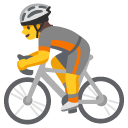
A person riding a bicycle, depicted in side profile with the cyclist in motion. Used to represent cycling, biking, exercise, commuting, or outdoor activity.
02What does 🚴 mean on TikTok?
Fitness motivation, cycling lifestyle, or ironic representation of going in circles with bad habits.
03What does 🚴 mean on WhatsApp?
Telling someone you're going for a bike ride, coordinating cycling plans, or representing an active lifestyle.
04What does 🚴 mean in Gen-Z slang?
Used to signal hustle, grinding, or being in your own lane — literally and metaphorically. Also used to flex fitness routines or mock someone going in circles on a pointless endeavor.
05Is the 🚴 emoji safe to use?
Cycling, fitness, outdoor activity, eco-friendly transport, healthy lifestyle, sport.
06What does 🚴 mean in texting?
Cycling evokes feelings of freedom and self-propulsion. Psychologically associated with independence, environmental consciousness, and a balanced, active lifestyle. Can also signal perseverance — you're doing the work yourself.
07What is the shortcode for 🚴?
The shortcode for Person Biking is :person_biking:
08What does 🚴 mean in dating?
Used to hint at an active, outdoorsy lifestyle or to invite someone on a bike ride date — a low-pressure, wholesome flirt move.
Safety & usage
- Safe meaning
- Cycling, fitness, outdoor activity, eco-friendly transport, healthy lifestyle, sport.
- Caution
- Rarely used in toxic contexts. Occasionally used dismissively to imply someone is wasting effort or 'going in circles' — mild mockery at worst.
Essentially safe in all contexts. No known NSFW or coded toxic meanings. The 'spinning your wheels' metaphor can be mildly condescending but is not harmful.
How it looks across platforms


Appearance varies by platform and device. Google Noto, Twemoji, and OpenMoji are open-source.