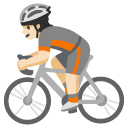
🚴🏻
The Emoji
Person Biking: Light Skin Tone
U+1F6B4 U+1F3FB · :person_biking_light_skin_tone:
Trend 52
Meaning layers
- interpretation
- Used to signal an active, outdoorsy, eco-conscious or 'healthy grindset' lifestyle. Also ironic shorthand for 'I'm on the move' or 'not stopping for anyone.'
- tiktok usage
- Appears in fitness and cycling content, 'clean girl aesthetic' health routines, and occasionally as a self-deprecating 'look how productive I am' joke.
- irony level
- 4 / 10
Platform meanings
- meaning
- Represents fitness goals, cycling content, and the 'that girl' wellness aesthetic. Also used as a 'moving on' metaphor.
- trend usage
- Appears in cycling POV videos, morning routine content, and 'leaving the drama behind' narrative videos.
- hashtags
- #cyclingtok#bikelife#thatgirl#activegirl#fitcheck
- virality score
- 55 / 100
Cultural meanings
🇺🇸
Western / Gen-Z
Signals an active, eco-conscious lifestyle and is used freely in both sincere fitness content and ironic 'I'm a healthy person' self-mocking humor.
🇵🇰
Pakistan & India
Primarily literal — used to reference cycling as commute or sport; gaining traction in urban fitness culture among younger demographics in cities like Delhi, Mumbai, and Lahore.
🌍
Middle East
Used in urban cycling contexts mostly — increasingly popular in Gulf cities with cycling infrastructure like Dubai and Riyadh; associated with sport and fitness rather than commuting.
🌐
Global Neutral
Universally understood as cycling activity; safe for international communication about sports, commuting, or outdoor recreation without cultural ambiguity.
🇧🇩
Bangladesh
Cycling is a common commute mode, so this emoji is used practically to discuss daily transport as well as recreational riding in urban areas like Dhaka.
🇱🇰
Sri Lanka
Used to represent both traditional cycling commutes and the growing urban cycling fitness culture; straightforward activity emoji without heavy layered meaning.
🇨🇳
China
Associated with cycling culture rekindled by bike-sharing boom (Mobike, Ofo era); used in fitness communities and increasingly in eco-friendly urban living discussions.
🇯🇵
Japan
Cycling is culturally embedded as both commute and sport (cycling roads, mama-chari culture); used naturally across age groups to represent everyday biking.
🇰🇷
South Korea
Popular among urban cycling communities; used in Han River cycling meetup posts and health-conscious lifestyle content on KakaoTalk and Instagram.
🇹🇼
Taiwan
Strong cycling culture (Giant Bicycles is Taiwanese) — this emoji is used proudly in cycling community posts, mountain trail rides, and urban commuter groups.
🇭🇰
Hong Kong
Used in weekend cycling groups exploring outlying islands and trails; signals an active escape from the urban hustle.
🇵🇭
Philippines
Used in both practical cycling commute contexts and growing urban cycling advocacy circles; common in Facebook groups pushing for cycling infrastructure.
🇮🇩
Indonesia
Cycling boomed post-pandemic; used in cycling community groups, healthy lifestyle content, and weekend ride meetup posts on Instagram and WhatsApp.
🇹🇭
Thailand
Associated with both leisure cycling tourism and urban cycling communities in Bangkok; used in fitness and wellness posts.
🇻🇳
Vietnam
Cycling is culturally iconic (traditional context) but shifting to modern sport cycling; emoji used in fitness groups and eco-transport discussions in Hanoi and Ho Chi Minh City.
🇲🇾
Malaysia
Used in cycling community posts and fitness content; popular in weekend group ride announcements on WhatsApp and Facebook.
🇸🇦
Saudi Arabia
Growing cycling culture especially post-Vision 2030 lifestyle reforms; used in sports communities and city cycling event posts.
🇦🇪
UAE
Cycling culture is prominent (Dubai Ride events, cycling tracks); used in active lifestyle and sporting event content widely across platforms.
🇪🇬
Egypt
Used in urban cycling advocacy and youth fitness content; less mainstream but growing in Cairo's cycling community circles.
🇹🇷
Turkey
Associated with both sport cycling and growing urban cycling infrastructure in Istanbul; used in fitness and outdoor lifestyle communities.
🇮🇷
Iran
Used in sports and outdoor activity contexts; cycling is a recreational and competitive sport with a community presence that uses this emoji in related posts.
🇳🇬
Nigeria
Primarily associated with sport cycling and fitness communities; Lagos cycling clubs use it in social media event posts.
🇿🇦
South Africa
Strong cycling culture (Cape Town Cycle Tour is iconic); emoji widely used in cycling event promotion, Strava culture, and fitness posts.
🇬🇧
UK & Ireland
Used in commuter cycling posts, cycling charity rides (Ride London), and outdoor fitness content; strong cultural resonance with eco-commuting discourse.
🇫🇷
France
Deeply tied to Tour de France cultural legacy; used widely in sports discussions, cycling lifestyle content, and summer outdoor activity posts.
🇩🇪
Germany
Cycling is a mainstream commute and lifestyle choice; emoji used practically and frequently across age groups in Germany's strong cycling culture.
🇪🇸
Spain & Italy
Associated with professional cycling (Vuelta, Giro) and outdoor leisure; used in sports commentary and Mediterranean active lifestyle content.
🇧🇷
Brazil
Used in fitness and sports contexts; cycling community is growing especially in São Paulo and Rio, where it appears in group ride and urban cycling posts.
🇲🇽
Mexico
Used in cycling advocacy and fitness communities; Mexico City's Ecobici culture and Sunday Ciclotón events give this emoji cultural relevance.
🌎
Latin America
Generally used for sport, fitness, and eco-commute advocacy across Latin American cities with growing cycling infrastructure.
🇦🇺
Australia & NZ
Cycling culture is strong (Tour Down Under, commuter cycling); emoji used in outdoor sport content, charity rides, and active lifestyle posts freely.
How its meaning shifted
- 2010
Bicycle emoji was newly introduced and used almost exclusively to literally indicate cycling or transportation by bike.
- 2015
Skin tone modifiers introduced; usage expanded to fitness culture, healthy lifestyle signaling, and cycling event promotion on social media.
- 2020
Pandemic cycling boom dramatically increased usage — eco-commuting, cycling advocacy, mental health through outdoor activity, and fitness content all surged.
- 2026
Multifaceted usage — literal cycling, 'keep it moving' meme culture, eco-conscious identity signaling, ironic wellness humor, and Gen Z fitness aesthetic content.
See it on every platform
Compare with
Adjacent emojis
- Often confused with
- person mountain bikingkick scootermotorcycle
- Can replace
- bicycleperson runningperson walking
Share & embed
Frequently asked
01What does the 🚴🏻 Person Biking: Light Skin Tone emoji mean?
A person riding a bicycle with a light skin tone modifier, representing cycling as a sport, commute, or recreational activity.
02What does 🚴🏻 mean on TikTok?
Represents fitness goals, cycling content, and the 'that girl' wellness aesthetic. Also used as a 'moving on' metaphor.
03What does 🚴🏻 mean on WhatsApp?
Tells friends you're out cycling or commuting by bike; signals you're unavailable or on the move.
04What does 🚴🏻 mean in Gen-Z slang?
Used to signal an active, outdoorsy, eco-conscious or 'healthy grindset' lifestyle. Also ironic shorthand for 'I'm on the move' or 'not stopping for anyone.'
05Is the 🚴🏻 emoji safe to use?
Represents cycling, fitness, commuting, outdoor activity, eco-friendly transport, and active lifestyle — entirely safe and positive.
06What does 🚴🏻 mean in texting?
Cycling imagery is associated with personal agency, momentum, and liberation — psychologically linked to forward progress and overcoming stagnation.
07What is the shortcode for 🚴🏻?
The shortcode for Person Biking: Light Skin Tone is :person_biking_light_skin_tone:
08What does 🚴🏻 mean in dating?
Can signal an active, health-conscious personality to a potential partner; sometimes used to invite someone on a bike ride as a casual low-pressure date.
Safety & usage
- Safe meaning
- Represents cycling, fitness, commuting, outdoor activity, eco-friendly transport, and active lifestyle — entirely safe and positive.
- Caution
- No known toxic usage patterns; extremely rare edge cases where 'going in circles' implication might be mildly passive aggressive.
No significant warnings. Skin tone modifier is inclusive and unlikely to cause misunderstanding across cultures.
How it looks across platforms


Appearance varies by platform and device. Google Noto, Twemoji, and OpenMoji are open-source.