🚴🏽
The Emoji
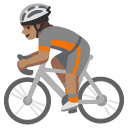
Person Biking: Medium Skin Tone
U+1F6B4 U+1F3FD · :person_biking_medium_skin_tone:
Trend 52
Meaning layers
- interpretation
- Used to signal an active, health-conscious lifestyle, eco-friendly commuting, or the 'soft life' aesthetic of morning rides and wellness routines. Also used ironically for 'going in circles' mentally.
- tiktok usage
- Appears in fitness check TikToks, cycling vlog content, and 'that girl' morning routine videos. Sometimes used in captions about mental health journeys or 'riding through life's challenges.'
- irony level
- 3 / 10
Platform meanings
- meaning
- Represents fitness content, cycling culture, or the 'that girl' wellness routine. Also used in motivational content about pushing through difficulty.
- trend usage
- Appears in #CyclingTikTok, morning routine videos, eco-commuting content, and 'POV: you're living your best life' trend formats.
- hashtags
- #CyclingLife#BikeRide#ThatGirl#FitnessTok#EcoCommute
- virality score
- 55 / 100
Cultural meanings
🇺🇸
Western / Gen-Z
Widely used among Gen Z in North America and Western Europe to signal wellness culture, eco-conscious commuting, and the 'that girl' fitness aesthetic. Carries aspirational and sometimes ironic energy.
🇵🇰
Pakistan & India
Used in urban areas to reference cycling for fitness or sport; less associated with eco-commuting. In fitness communities on Instagram and WhatsApp, it signals gymrat or outdoor sport culture.
🌍
Middle East
Primarily used in the context of recreational cycling in parks or organized sporting events. Cycling culture is growing in Gulf cities, so it appears in fitness and outdoor community content.
🌐
Global Neutral
Universally understood as cycling or biking. Represents physical activity, transportation, and an active lifestyle without strong cultural overlays in neutral contexts.
🇧🇩
Bangladesh
Cycling is common as everyday transport, but the emoji is more likely used in fitness or aspirational contexts rather than to represent daily commuting on social media.
🇱🇰
Sri Lanka
Used in sports and fitness social media content. Cycling events and recreational riding are growing, so the emoji appears in fitness group chats and event promotions.
🇨🇳
China
Associated with fitness cycling culture and cycling apps like Keep. Urban cycling for commuting (via bike-share apps) is huge, making this emoji resonate strongly with city dwellers.
🇯🇵
Japan
Cycling is deeply embedded in Japanese culture both as sport and commuting. The emoji is used naturally in fitness content, cycling club posts, and daily commute references.
🇰🇷
South Korea
Popular in fitness and outdoor lifestyle content. Han River cycling is iconic in Seoul, so this emoji frequently appears in recreational weekend activity posts.
🇹🇼
Taiwan
Cycling is a beloved leisure and fitness activity in Taiwan, with famous cycling routes. The emoji is used extensively in outdoor and adventure lifestyle content.
🇭🇰
Hong Kong
Used in fitness communities and cycling groups; urban cycling is less common due to terrain, but cycling events and trails make it relevant in recreational contexts.
🇵🇭
Philippines
Cycling surged post-pandemic as eco-friendly transport. The emoji is used in advocacy posts for cycling infrastructure, fitness content, and community ride announcements.
🇮🇩
Indonesia
Appears in fitness communities and cycling club content. Post-pandemic cycling booms in Jakarta and other cities made this emoji more culturally relevant in social media.
🇹🇭
Thailand
Associated with recreational cycling events like cycling tours and fitness culture in Bangkok. Used in sports and active lifestyle social media content.
🇻🇳
Vietnam
While traditional cycling is being replaced by motorbikes, the emoji is used in fitness and sport cycling contexts, especially among urban youth interested in healthy lifestyles.
🇲🇾
Malaysia
Used in fitness communities and cycling group content. Park cycling and organized cycling events make this emoji common in active lifestyle social media posts.
🇸🇦
Saudi Arabia
Cycling culture is rapidly growing, especially after social reforms allowed more public recreational activities. The emoji appears in Vision 2030 wellness content and sports community posts.
🇦🇪
UAE
Very relevant given Dubai and Abu Dhabi's investment in cycling infrastructure and major cycling events. Used widely in sports, fitness, and eco-lifestyle content.
🇪🇬
Egypt
Used in sports and fitness content, particularly among urban youth. Cycling along the Nile or in parks is referenced with this emoji in wellness and outdoor activity posts.
🇹🇷
Turkey
Cycling culture is growing in Turkish cities. Used in fitness, eco-commuting, and outdoor leisure content, particularly popular with Istanbul's younger, urban demographic.
🇮🇷
Iran
Used in fitness and sports contexts. Cycling is popular recreationally, though with gender-specific social norms affecting public use; the emoji appears more in private fitness community chats.
🇳🇬
Nigeria
Used in growing urban fitness communities. Cycling is associated with sport and elite fitness rather than everyday transport, giving the emoji an aspirational quality in social posts.
🇿🇦
South Africa
Strong cycling culture exists, especially in Cape Town (home of Cape Argus). The emoji is widely used in cycling event content, fitness posts, and outdoor lifestyle communities.
🇬🇧
UK & Ireland
Very commonly used in cycling culture content — from commuting advocates to Tour of Britain fans. Strong association with eco-transport activism and weekend sportive rides.
🇫🇷
France
Deeply culturally resonant given the Tour de France. Used in both serious cycling content and casual sporty lifestyle posts. Has a particularly strong national sporting identity attached.
🇩🇪
Germany
Germany's strong cycling infrastructure and culture mean this emoji is frequently used in both commuting advocacy and sport cycling content. Associated with sustainable urban living.
🇪🇸
Spain & Italy
Both countries have rich cycling sporting traditions (Vuelta a España, Giro d'Italia). The emoji is used enthusiastically in sports fan content and outdoor cycling lifestyle posts.
🇧🇷
Brazil
Used in fitness and sport cycling content. Urban cycling advocacy is growing in cities like São Paulo. The emoji appears in environmental activism and active lifestyle social media.
🇲🇽
Mexico
Used in cycling advocacy posts, fitness content, and ciclovia event promotions. Urban cycling culture is growing in Mexico City, making this emoji increasingly relevant.
🌎
Latin America
Across Latin America, used in growing cycling communities, eco-transport advocacy, and fitness content. Associated with urban mobility movements and healthy lifestyle aspirations.
🇦🇺
Australia & NZ
Strongly associated with outdoor active lifestyle culture. Used in road cycling, mountain biking, and commuter cycling content — fits the region's sporty, nature-loving aesthetic perfectly.
How its meaning shifted
- 2010
Cycling emoji didn't yet exist in mainstream Unicode sets; cycling was represented with text or basic emoticons. The concept was purely literal when any cycling icon was used.
- 2015
Introduced with skin tone modifiers in Unicode 8.0. Early usage was almost entirely literal — 'going cycling' or sport/event references. Limited ironic or lifestyle use.
- 2020
Expanded into fitness culture, eco-commuting advocacy, and wellness aesthetics. Pandemic cycling boom dramatically increased usage. Began appearing in motivational and mental health contexts.
- 2026
Fully embedded in wellness aesthetic culture, sustainability discourse, and Gen Z lifestyle signaling. Regular appearance in ironic meme formats about effort and perseverance alongside earnest fitness content.
See it on every platform
Adjacent emojis
- Opposite
- person in bedcouch and lampsloth
- Often confused with
- motorcycleperson mountain bikingkick scooter
- Can replace
- bicycleperson runningperson mountain biking
Share & embed
Frequently asked
01What does the 🚴🏽 Person Biking: Medium Skin Tone emoji mean?
A person riding a bicycle with medium skin tone modifier applied, representing cycling as transportation, sport, or recreation.
02What does 🚴🏽 mean on TikTok?
Represents fitness content, cycling culture, or the 'that girl' wellness routine. Also used in motivational content about pushing through difficulty.
03What does 🚴🏽 mean on WhatsApp?
Typically used literally to say someone is going cycling, heading out on a bike, or referring to a cycling event or plan.
04What does 🚴🏽 mean in Gen-Z slang?
Used to signal an active, health-conscious lifestyle, eco-friendly commuting, or the 'soft life' aesthetic of morning rides and wellness routines. Also used ironically for 'going in circles' mentally.
05Is the 🚴🏽 emoji safe to use?
Represents cycling, physical activity, eco-friendly transport, fitness, and an active lifestyle. Universally safe and positive in standard usage.
06What does 🚴🏽 mean in texting?
Cycling imagery evokes autonomy and forward momentum. Psychologically linked to endurance, self-discipline, and the meditative quality of repetitive physical activity — often used when someone wants to convey perseverance.
07What is the shortcode for 🚴🏽?
The shortcode for Person Biking: Medium Skin Tone is :person_biking_medium_skin_tone:
08What does 🚴🏽 mean in dating?
Can be used as a casual, low-key invitation — 'let's go for a ride sometime 🚴🏽' — implying an active, adventurous date. Signals a fit, outdoorsy personality.
Safety & usage
- Safe meaning
- Represents cycling, physical activity, eco-friendly transport, fitness, and an active lifestyle. Universally safe and positive in standard usage.
- Caution
- No known toxic or harmful usage patterns. Extremely rarely used in coded or negative contexts.
No significant warning flags. In extremely niche contexts, cycling away imagery could metaphorically represent fleeing responsibility, but this is minor and non-harmful.
How it looks across platforms


Appearance varies by platform and device. Google Noto, Twemoji, and OpenMoji are open-source.