💇🏾
The Emoji
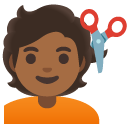
Person Getting Haircut: Medium-dark Skin Tone
U+1F487 U+1F3FE · :person_getting_haircut_mediumdark_skin_tone:
Trend 55
Meaning layers
- interpretation
- Used to signal a fresh haircut, a glow-up moment, or a transformation — either physical or emotional. Also used sarcastically to say 'I need a change' or 'treating myself today.'
- tiktok usage
- Appears in 'glow-up' videos, 'new me' transformation content, or before-and-after haircut reveals. Sometimes used ironically when someone's haircut goes wrong.
- irony level
- 4 / 10
Platform meanings
- meaning
- Signals a fresh cut, salon trip, glow-up, or transformation moment. Often paired with reveal videos.
- trend usage
- Used in glow-up transitions, 'new era' videos, 'I needed this' self-care content, and barber fail compilations.
- hashtags
- #freshcut#glowup#salonday#newme#hairtransformation
- virality score
- 62 / 100
Cultural meanings
🇺🇸
Western / Gen-Z
Strongly associated with glow-up culture and self-care rituals; used freely in social posts about transformation and treating yourself.
🇵🇰
Pakistan & India
Commonly used to signal a salon or barber visit; haircuts carry social significance especially before weddings or festivals, and this emoji fits those contexts naturally.
🌍
Middle East
Used to indicate salon appointments and grooming routines, which hold high social importance in many Middle Eastern cultures; seen in beauty content and personal updates.
🌐
Global Neutral
Universally understood as a haircut or salon visit emoji with no cultural baggage, making it safe for international communication.
🇧🇩
Bangladesh
Used in personal chats to signal a haircut appointment or barbershop visit, often tied to preparing for social or religious occasions.
🇱🇰
Sri Lanka
Practical usage in everyday chat to communicate salon or barber visits; less symbolic and more literal in most contexts.
🇨🇳
China
Used on WeChat and Weibo to signal beauty salon visits; hair care and styling have strong social significance in Chinese culture, boosting this emoji's relevance.
🇯🇵
Japan
Popular in the context of beauty salons, which are highly developed in Japanese culture; may also appear in kawaii self-care aesthetics and lifestyle content.
🇰🇷
South Korea
Highly relevant given K-beauty culture's emphasis on grooming and appearance; frequently used by beauty influencers and K-pop fans discussing idol hairstyles.
🇹🇼
Taiwan
Used in beauty and lifestyle content, often in the context of trending salon styles or hair transformation posts on social media.
🇭🇰
Hong Kong
Practical use for salon and grooming updates; also appears in beauty industry promotions and fashion-forward personal style content.
🇵🇭
Philippines
Commonly used in personal chats about barbershop or salon visits; Filipinos are highly engaged with beauty culture and self-care, making this emoji very relatable.
🇮🇩
Indonesia
Used in casual conversation about grooming; growing beauty culture in Indonesia makes this emoji increasingly common in beauty influencer content.
🇹🇭
Thailand
Relevant in Thailand's thriving beauty and salon industry; used in self-care posts and beauty business promotions.
🇻🇳
Vietnam
Practical usage for communicating salon visits; Vietnam's beauty market is growing and this emoji appears in beauty influencer and everyday lifestyle content.
🇲🇾
Malaysia
Used across different communities to signal salon or barbershop visits; fits into Malaysia's multicultural beauty and grooming culture.
🇸🇦
Saudi Arabia
Used primarily in female-only spaces or private chats given gender-segregated salon culture; relevant for women's beauty appointments and grooming discussions.
🇦🇪
UAE
Very common in Dubai and Abu Dhabi's luxury beauty and salon scene; used by beauty influencers and in high-end grooming content.
🇪🇬
Egypt
Used in everyday communication about barbershop and salon visits; hair grooming is socially important, especially for weddings and celebrations.
🇹🇷
Turkey
Turkish barbershop culture is iconic globally; this emoji fits naturally in conversations about the beloved Turkish barber tradition and salon visits.
🇮🇷
Iran
Used in private digital spaces to discuss salon and grooming appointments; beauty culture is vibrant in Iran despite public restrictions.
🇳🇬
Nigeria
Strongly tied to vibrant Nigerian barbershop and hair braiding culture; used in discussions about fresh cuts, protective styles, and beauty routines.
🇿🇦
South Africa
Relevant across diverse communities for salon and barbershop content; hair care holds deep cultural and identity significance in many South African communities.
🇬🇧
UK & Ireland
Used casually for salon and barber visits; British barbershop culture and salon self-care trends make this emoji common in everyday personal updates.
🇫🇷
France
Associated with the chic French salon aesthetic; used in beauty and self-care posts, fitting naturally into France's celebrated grooming and fashion culture.
🇩🇪
Germany
Practical, literal usage for communicating haircut appointments; Germans tend to use emoji more functionally than symbolically.
🇪🇸
Spain & Italy
Used in self-care and grooming posts; Mediterranean beauty culture values personal appearance highly, making this emoji relevant and relatable.
🇧🇷
Brazil
Brazil's massive beauty industry and salon culture make this emoji very common; used in influencer content, self-care posts, and personal updates.
🇲🇽
Mexico
Used to signal salon or barbershop visits; Mexican barber culture is rich and this emoji fits naturally in grooming and self-care conversations.
🌎
Latin America
Broadly used across Latin America for beauty and grooming content; salon culture is vibrant and socially significant throughout the region.
🇦🇺
Australia & NZ
Used casually for haircut and salon updates; fits into laid-back self-care culture and is common in everyday personal social media posts.
How its meaning shifted
- 2010
Emoji didn't exist yet in this form; basic scissor or person emojis were used for haircut references.
- 2015
Introduced with skin tone modifiers; primarily used literally to indicate haircut or salon appointments with minimal symbolic meaning.
- 2020
Gained traction during COVID-19 lockdowns when haircuts became impossible; used nostalgically and humorously about missing barbershops and salons.
- 2026
Firmly embedded in self-care, glow-up, and transformation culture; used both literally and symbolically for personal renewal and identity shifts.
See it on every platform
Adjacent emojis
- Often confused with
- barber poleperson getting massagehaircut scissors
- Can replace
- scissorssparklesnail polish
Share & embed
Frequently asked
01What does the 💇🏾 Person Getting Haircut: Medium-dark Skin Tone emoji mean?
A person with medium-dark skin tone sitting in a salon chair receiving a haircut, with scissors visible near their head.
02What does 💇🏾 mean on TikTok?
Signals a fresh cut, salon trip, glow-up, or transformation moment. Often paired with reveal videos.
03What does 💇🏾 mean on WhatsApp?
Telling someone you're at the salon, getting a haircut, or are about to get one. Common in casual personal updates.
04What does 💇🏾 mean in Gen-Z slang?
Used to signal a fresh haircut, a glow-up moment, or a transformation — either physical or emotional. Also used sarcastically to say 'I need a change' or 'treating myself today.'
05Is the 💇🏾 emoji safe to use?
Represents personal grooming, self-care, and salon visits — entirely benign and positive in mainstream usage.
06What does 💇🏾 mean in texting?
Getting a haircut is often tied to psychological renewal and identity shifts. The emoji can signal a desire for change, self-investment, or a fresh start, reflecting the well-documented emotional significance of hair in personal identity.
07What is the shortcode for 💇🏾?
The shortcode for Person Getting Haircut: Medium-dark Skin Tone is :person_getting_haircut_mediumdark_skin_tone:
08What does 💇🏾 mean in dating?
Rarely used to flirt directly, but can be sent to signal 'I'm getting fresh for you' or 'getting ready to look good tonight' in a playful self-care context.
Safety & usage
- Safe meaning
- Represents personal grooming, self-care, and salon visits — entirely benign and positive in mainstream usage.
- Caution
- No known toxic or harmful usages in mainstream contexts.
No safety concerns. The skin tone modifier promotes inclusive representation. No documented misuse or harmful connotations.
How it looks across platforms


Appearance varies by platform and device. Google Noto, Twemoji, and OpenMoji are open-source.