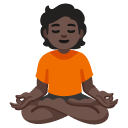
🧘🏿
The Emoji
Person In Lotus Position: Dark Skin Tone
U+1F9D8 U+1F3FF · :person_in_lotus_position_dark_skin_tone:
Trend 65
Meaning layers
- interpretation
- Used to signal unbothered energy, self-care, mental health awareness, or a vibe-check moment. Often means 'I'm in my zen era' or 'not letting this stress me out'.
- tiktok usage
- Appears in wellness content, 'that girl' aesthetic videos, and 'main character' energy posts. Also used humorously when pretending to be calm during chaos.
- irony level
- 4 / 10
Platform meanings
- meaning
- Represents wellness, mindfulness content, 'that girl' aesthetic, and mental health check-ins. Also used humorously to signal fake calm.
- trend usage
- Featured in morning routine videos, meditation challenges, mental health TikTok, and 'soft life' trend content. Pairs with lo-fi music and slow living aesthetics.
- hashtags
- #MindfulnessMatters#ThatGirlEra#MeditationTikTok#SoftLife#WellnessTok
- virality score
- 62 / 100
Cultural meanings
🇺🇸
Western / Gen-Z
Strongly associated with wellness culture, 'that girl' aesthetic, and mental health self-care routines. Used both sincerely and ironically in the unbothered meme format.
🇵🇰
Pakistan & India
Deeply resonant as meditation and yoga are rooted in South Asian spiritual traditions. Used sincerely in spiritual, wellness, and religious contexts, and by diaspora communities celebrating cultural heritage.
🌍
Middle East
Generally interpreted as yoga or meditation practice, more common among urban, wellness-oriented demographics. Spiritual connotations may be viewed through a secular lens.
🌐
Global Neutral
Universally recognized as a symbol of meditation, peace, and mindfulness across cultures, with minimal negative associations.
🇧🇩
Bangladesh
Used in wellness and fitness communities. Yoga is gaining popularity among urban youth, and the emoji carries positive, healthy lifestyle connotations.
🇱🇰
Sri Lanka
Resonates with Buddhist meditation traditions prominent in the country. Used in spiritual and wellness contexts with genuine cultural depth.
🇨🇳
China
Associated with yoga and wellness trends popular among urban middle-class communities. Also connected to mindfulness apps and mental health awareness growing in popularity.
🇯🇵
Japan
Linked to mindfulness (maindofurunesu) and meditation practices gaining traction. Also associated with Zen Buddhism cultural heritage. Used earnestly in wellness content.
🇰🇷
South Korea
Popular in wellness and self-care culture (healing culture). Used in mental health content and by yoga/meditation influencers on Korean social media.
🇹🇼
Taiwan
Used in wellness, yoga, and mindfulness communities. Resonates with spiritual and health-conscious demographics in urban areas.
🇭🇰
Hong Kong
Associated with wellness trends and yoga studios popular in the city. Used by health-conscious and spiritually curious urban communities.
🇵🇭
Philippines
Used in wellness and fitness communities. Growing yoga culture among urban Filipinos makes this emoji relatable in health-focused content.
🇮🇩
Indonesia
Used in wellness, yoga, and mindfulness content. Spiritual overtones resonate with the country's diverse spiritual traditions and growing wellness culture.
🇹🇭
Thailand
Deeply resonant given Thailand's strong Buddhist meditation traditions. Used both for traditional spiritual practice references and modern wellness content.
🇻🇳
Vietnam
Growing yoga and wellness culture among urban youth makes this emoji increasingly common in health and self-care content.
🇲🇾
Malaysia
Used in wellness and fitness communities across diverse cultural groups. Yoga and meditation have growing followings in urban Malaysian communities.
🇸🇦
Saudi Arabia
Used cautiously in wellness contexts; yoga and meditation are gaining acceptance but may carry some cultural sensitivity. Typically used by younger, urban demographics.
🇦🇪
UAE
Common in cosmopolitan wellness communities in Dubai and Abu Dhabi. Used by expatriate and local wellness influencers in a modern, aspirational lifestyle context.
🇪🇬
Egypt
Used by urban wellness communities and yoga enthusiasts. Growing mental health awareness movement uses it in supportive contexts.
🇹🇷
Turkey
Associated with yoga and wellness trends popular in urban Turkish cities. Used in fitness and self-care content by younger demographics.
🇮🇷
Iran
Used among youth and wellness communities, particularly on Instagram. Yoga and meditation are growing in popularity despite some cultural restrictions.
🇳🇬
Nigeria
Used in wellness, fitness, and mental health content. Growing self-care culture in urban Nigeria embraces the emoji in 'soft life' and wellness narratives.
🇿🇦
South Africa
Common in wellness and mental health content. Resonates with both spiritual and fitness communities across diverse South African demographics.
🇬🇧
UK & Ireland
Used in wellness, mental health, and yoga content. Also heavily used in the ironic 'unbothered' meme format in British internet culture.
🇫🇷
France
Associated with yoga and mindfulness culture popular in urban France. Used in wellness content and sometimes in philosophical or intellectual self-reflection posts.
🇩🇪
Germany
Used in fitness, wellness, and mental health contexts. Germans associate it with structured mindfulness practices and health-conscious lifestyles.
🇪🇸
Spain & Italy
Used in wellness and yoga communities. Also appears in content about mental health and emotional well-being, with a growing self-care culture in both countries.
🇧🇷
Brazil
Used heavily in wellness, yoga, and mental health content. Brazil's large spiritual and wellness community embraces this emoji in both sincere and aesthetic contexts.
🇲🇽
Mexico
Used in wellness, yoga, and self-care content. Growing mental health awareness culture in Mexico adopts this emoji in supportive and aspirational contexts.
🌎
Latin America
Broadly recognized across Latin America in wellness, yoga, and mental health content. Associated with the growing 'bienestar' (wellness) cultural movement.
🇦🇺
Australia & NZ
Used in wellness and outdoor lifestyle content. Australians and New Zealanders associate it with yoga retreats, beach meditation, and mental health culture.
How its meaning shifted
- 2010
Largely non-existent in this form; meditation emojis were not yet standardized. Yoga and meditation were represented through text or generic symbols.
- 2015
Early adoption following emoji expansion. Used primarily in literal contexts for yoga, meditation apps, and wellness content by niche communities.
- 2020
Explosion in usage during the COVID-19 pandemic as mental health awareness and home meditation practices surged globally. Became a staple of self-care and mindfulness content.
- 2026
Deeply embedded in wellness culture, mental health discourse, and ironic meme formats. Skin tone variants are actively chosen for representation. Used across sincere wellness content and comedic 'unbothered' formats equally.
See it on every platform
Adjacent emojis
- Often confused with
- person kneelingperson bowingperson gesturing ok
- Can replace
- sparklesgreen heartslightly smiling face
Share & embed
Frequently asked
01What does the 🧘🏿 Person In Lotus Position: Dark Skin Tone emoji mean?
A person sitting in the lotus position (cross-legged meditation pose) with hands resting on knees, displayed with dark skin tone. Used to represent meditation, yoga, mindfulness, and spiritual practice.
02What does 🧘🏿 mean on TikTok?
Represents wellness, mindfulness content, 'that girl' aesthetic, and mental health check-ins. Also used humorously to signal fake calm.
03What does 🧘🏿 mean on WhatsApp?
Signals being calm, unbothered, or in a relaxed mood. Often sent after resolving stress or as a 'I'm good' response.
04What does 🧘🏿 mean in Gen-Z slang?
Used to signal unbothered energy, self-care, mental health awareness, or a vibe-check moment. Often means 'I'm in my zen era' or 'not letting this stress me out'.
05Is the 🧘🏿 emoji safe to use?
Meditation, yoga, mindfulness, inner peace, wellness, self-care, spiritual practice.
06What does 🧘🏿 mean in texting?
Symbolizes the psychological state of mindfulness and present-moment awareness. Often used to project or aspire to emotional regulation and inner peace, sometimes as a coping signal.
07What is the shortcode for 🧘🏿?
The shortcode for Person In Lotus Position: Dark Skin Tone is :person_in_lotus_position_dark_skin_tone:
08What does 🧘🏿 mean in dating?
Low flirt potential; sometimes used to say 'I'm spiritually aligned and intentional' as an indirect signal of emotional maturity to a partner.
Safety & usage
- Safe meaning
- Meditation, yoga, mindfulness, inner peace, wellness, self-care, spiritual practice.
- Caution
- Can be used passive-aggressively to dismiss someone's concerns ('just meditate 🧘🏿') or to signal performative wellness culture while being condescending.
Generally very safe. Minimal risk of misuse. Occasionally used in passive-aggressive contexts but rarely causes genuine harm. Dark skin tone modifier is used for representation and should be respected as such.
How it looks across platforms


Appearance varies by platform and device. Google Noto, Twemoji, and OpenMoji are open-source.