🏋🏾
The Emoji
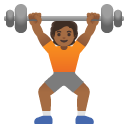
Person Lifting Weights: Medium-dark Skin Tone
U+1F3CB U+1F3FE · :person_lifting_weights_mediumdark_skin_tone:
Trend 68
Meaning layers
- interpretation
- Used to signal gym dedication, grind culture, physical transformation journeys, or simply flexing that you work out. Also used ironically when doing literally any mildly strenuous activity.
- tiktok usage
- Appears in gym transformation videos, workout POVs, motivational clips, and 'day in my life' fitness content. Also used sarcastically like 'carrying groceries in one trip 🏋🏾'.
- irony level
- 5 / 10
Platform meanings
- meaning
- Signals fitness content, gym dedication, workout challenges, or motivational energy. Also used ironically for comedy.
- trend usage
- Common in transformation reveals, gym check-ins, lifting PR videos, and 'gym rat' aesthetic content. Appears in duets mocking or celebrating fitness feats.
- hashtags
- #gymtok#liftingweights#fitnesstiktok#gymmotivation#gains
- virality score
- 72 / 100
Cultural meanings
🇺🇸
Western / Gen-Z
Widely used by Black, brown, and mixed-race Gen Z gym-goers as a self-representing fitness emoji. Seen as more authentic and personal than the default yellow version.
🇵🇰
Pakistan & India
Used by young urban gym enthusiasts in Pakistan and India who follow fitness influencer culture. Bodybuilding is aspirational in these markets, and this emoji signals dedication to that lifestyle.
🌍
Middle East
Common among Gulf youth gym culture, where fitness and bodybuilding are popular. The medium-dark skin tone resonates with many users in the region.
🌐
Global Neutral
Universally understood as representing weightlifting or gym activity. The medium-dark skin tone adds specificity but does not significantly alter the base meaning globally.
🇧🇩
Bangladesh
Used mainly among urban youth active in gym culture. Bodybuilding is growing in popularity in Dhaka and Chittagong, and this emoji is used earnestly in fitness circles.
🇱🇰
Sri Lanka
Gym culture is growing among Sri Lankan youth, and this emoji is used in fitness content on social media to signal dedication to working out.
🇨🇳
China
Less commonly used due to WeChat and Weibo having their own emoji systems, but on international platforms, Chinese fitness enthusiasts use it to represent strength training and gym discipline.
🇯🇵
Japan
Japan's fitness culture values quiet discipline; this emoji is used straightforwardly in gym contexts. Skin tone modifiers are less culturally emphasized but not negatively perceived.
🇰🇷
South Korea
K-fitness and idol-inspired workout culture makes this emoji relevant. Used in gym vlogs and diet culture content, often paired with motivational captions.
🇹🇼
Taiwan
Used by Taiwanese fitness community members on Instagram and TikTok to signal gym dedication. Straightforward and positive interpretation.
🇭🇰
Hong Kong
Active gym culture in HK means this emoji is used genuinely in fitness content. International platform usage mirrors Western patterns.
🇵🇭
Philippines
Popular in Filipino fitness content on TikTok and Facebook. Bodybuilding and functional fitness are popular, and this emoji signals hardworking gym culture.
🇮🇩
Indonesia
Used in Indonesian fitness communities on Instagram and TikTok. Gym culture is booming among Indonesian youth, and this emoji is a common shorthand.
🇹🇭
Thailand
Thai fitness influencers and Muay Thai practitioners use this emoji to signal physical training. Straightforward fitness meaning prevails.
🇻🇳
Vietnam
Increasingly used by Vietnamese gym-goers and fitness content creators as gym culture grows among urban Vietnamese youth.
🇲🇾
Malaysia
Popular in Malaysian fitness culture on Instagram and TikTok. Used earnestly by gym-goers across ethnic communities in Malaysia.
🇸🇦
Saudi Arabia
Gym culture is very popular among Saudi youth. This emoji is commonly used in fitness posts; the medium-dark skin tone is relatable for many Saudi users.
🇦🇪
UAE
Dubai and Abu Dhabi have thriving gym cultures with diverse populations. This emoji is used across communities and is particularly relatable to South Asian and Arab gym-goers in the UAE.
🇪🇬
Egypt
Used by Egyptian gym enthusiasts and fitness influencers. Bodybuilding has strong cultural roots in Egypt, and this emoji signals that tradition.
🇹🇷
Turkey
Turkish fitness culture is robust, and this emoji is used in gym content on Instagram and TikTok. Straightforward meaning prevails.
🇮🇷
Iran
Used by Iranian fitness enthusiasts, particularly on Instagram where fitness culture is popular. Represents gym dedication and strength aspirations.
🇳🇬
Nigeria
Strongly resonant in Nigerian fitness communities where this skin tone feels representationally accurate. Used enthusiastically in gym motivation content and lifestyle posts.
🇿🇦
South Africa
Used authentically in South African fitness culture, where the medium-dark skin tone is relatable and inclusive. Common in gym check-ins and motivation posts.
🇬🇧
UK & Ireland
Used by British and Irish gym communities—both seriously and ironically. Ironic use ('just walked to Greggs 🏋🏾') is common British humor.
🇫🇷
France
Used in French fitness content straightforwardly. French gym culture tends to be less 'bro'-oriented but the emoji still signals athletic effort.
🇩🇪
Germany
German fitness culture values discipline and efficiency; this emoji is used sincerely in workout documentation and fitness accountability posts.
🇪🇸
Spain & Italy
Used by Spanish and Italian gym communities. Both cultures have strong aesthetic and sport traditions, making this emoji a genuine fitness signal.
🇧🇷
Brazil
Very popular in Brazilian fitness culture, which is deeply embedded in national identity. Used widely in gym content, bodybuilding posts, and motivational captions.
🇲🇽
Mexico
Used in Mexican fitness content on TikTok and Instagram. Gym culture is growing rapidly among Mexican youth, and this emoji signals dedication.
🌎
Latin America
Broadly used across Latin American fitness communities. Bodybuilding and calisthenics culture in LATAM embraces this emoji as a motivational and identity marker.
🇦🇺
Australia & NZ
Used in Australian and NZ gym communities both earnestly and with classic deadpan humor. The medium-dark skin tone resonates with Indigenous, Pacific Islander, and South Asian communities in the region.
How its meaning shifted
- 2010
This specific emoji did not yet exist in 2010. Weightlifting concepts were represented through text descriptions or basic ASCII expressions. Skin tone modifiers were not available.
- 2015
Introduced in Unicode 8.0 (2015) alongside skin tone modifiers. Early adoption was limited to fitness enthusiasts and emoji-forward users who appreciated the new representation options.
- 2020
Mainstream adoption during the pandemic-era home workout boom. Used widely in fitness content on TikTok and Instagram as gym culture exploded online. Ironic use began emerging.
- 2026
Established emoji in fitness, hustle, and grind-culture lexicons. Used both sincerely in fitness communities—especially by users of color who value skin tone representation—and ironically in meme culture. A staple of gym influencer branding.
See it on every platform
Adjacent emojis
Share & embed
Frequently asked
01What does the 🏋🏾 Person Lifting Weights: Medium-dark Skin Tone emoji mean?
A person lifting weights or performing a weightlifting exercise, rendered with a medium-dark skin tone modifier (Fitzpatrick scale type 5). Represents strength training, gym activity, physical fitness, and athletic effort.
02What does 🏋🏾 mean on TikTok?
Signals fitness content, gym dedication, workout challenges, or motivational energy. Also used ironically for comedy.
03What does 🏋🏾 mean on WhatsApp?
Tells someone you're at the gym or just finished working out. Also used as encouragement: 'Keep going 🏋🏾'.
04What does 🏋🏾 mean in Gen-Z slang?
Used to signal gym dedication, grind culture, physical transformation journeys, or simply flexing that you work out. Also used ironically when doing literally any mildly strenuous activity.
05Is the 🏋🏾 emoji safe to use?
Represents physical fitness, weightlifting, gym culture, and athletic dedication. Entirely benign in standard use.
06What does 🏋🏾 mean in texting?
This emoji taps into the psychology of self-improvement and discipline. It signals to others—and to oneself—a commitment to physical betterment, invoking feelings of control, strength, and resilience. The medium-dark skin tone adds an element of authentic representation for users of color.
07What is the shortcode for 🏋🏾?
The shortcode for Person Lifting Weights: Medium-dark Skin Tone is :person_lifting_weights_mediumdark_skin_tone:
08What does 🏋🏾 mean in dating?
Used to subtly imply physical fitness and attractiveness, like 'I take care of myself 🏋🏾'. Can be a low-key flex in a dating profile or DM to signal a fit, active lifestyle.
Safety & usage
- Safe meaning
- Represents physical fitness, weightlifting, gym culture, and athletic dedication. Entirely benign in standard use.
- Caution
- Rarely used in toxic contexts. Could appear in body-shaming content implying someone should work out, or in aggressive gym-bro intimidation culture online.
Generally safe. Minor risk of being used to mock body types or pressure people around fitness standards. No NSFW associations.
How it looks across platforms


Appearance varies by platform and device. Google Noto, Twemoji, and OpenMoji are open-source.