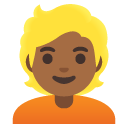
👱🏾
The Emoji
Person: Medium-dark Skin Tone, Blond Hair
U+1F471 U+1F3FE · :person_mediumdark_skin_tone_blond_hair:
Trend 35
Meaning layers
- interpretation
- Used to represent oneself or someone with a distinctive or unexpected look — blond hair on a darker skin tone reads as bold, unique, or fashionable. Often used when discussing dyed hair, identity expression, or aesthetic choices.
- tiktok usage
- Appears in 'describe yourself in emojis' trends, hair dye transformation videos, and diversity representation content. Also used ironically to describe the 'main character' energy.
- irony level
- 2 / 10
Platform meanings
- meaning
- Represents bold self-expression, hair transformations, or identity confidence. Used in 'this is me' or 'rate my look' content.
- trend usage
- Common in emoji-chain self-description trends, hair color reveal videos, and diversity-in-beauty discussions.
- hashtags
- #hairgoals#glowup#melaninmagic#boldlook#emojiself
- virality score
- 42 / 100
Cultural meanings
🇺🇸
Western / Gen-Z
Represents bold self-expression and hair color experimentation; widely used in appearance-description emoji strings and celebrated as a symbol of unique beauty.
🇵🇰
Pakistan & India
Less commonly used as a self-identifier due to rarity of natural blond hair, but may appear in discussions about dyed hair trends or Bollywood-inspired color looks.
🌍
Middle East
Occasionally used by individuals who bleach or dye hair blond — a bold fashion statement in contexts where hair color experimentation is growing.
🌐
Global Neutral
Universally understood as a person with darker skin and blond hair; used for general representation or to describe someone's appearance without strong cultural loading.
🇧🇩
Bangladesh
Rarely used as a self-identifier; may appear in online conversations about hair dye fashion or Western beauty trend discussions.
🇱🇰
Sri Lanka
Uncommon in everyday usage but can appear in beauty and fashion communities discussing hair color transformations or global diversity.
🇨🇳
China
May be used to represent a stylized or anime-inspired character with blond hair; blond hair carries pop-culture (manga/anime) connotations even on darker skin tones.
🇯🇵
Japan
Blond hair is strongly associated with anime characters and delinquent (yankii) subculture; this emoji on a darker skin tone may evoke a stylized, rebellious, or fashionable persona.
🇰🇷
South Korea
In K-beauty and K-pop contexts, blond hair is trendy and associated with idol aesthetics; this emoji may be used to describe or admire a bold hair look.
🇹🇼
Taiwan
Similar to Japan and Korea — blond hair is fashionable and associated with pop culture; the darker skin tone adds a distinctive, globally-aware flair.
🇭🇰
Hong Kong
Used in fashion-forward contexts; blond hair on darker skin reads as cosmopolitan and bold in Hong Kong's highly fashion-conscious culture.
🇵🇭
Philippines
Some Filipinos have naturally lighter hair; this emoji may be used to represent a sun-bleached or dyed hair look, often positively in beauty communities.
🇮🇩
Indonesia
Blond hair on darker skin may be used to describe dyed hair trends popular among youth; carries a fashion-forward and modern connotation.
🇹🇭
Thailand
Associated with bold fashion choices; blond hair dye is popular in Thai youth culture, and this emoji might represent a trendy individual.
🇻🇳
Vietnam
Seen as a Western or fashion-inspired look; used in discussions about hair dye culture, which is increasingly popular among Vietnamese youth.
🇲🇾
Malaysia
Used in multicultural beauty discussions; Malaysia's diverse population means blond hair on darker skin may be celebrated as a unique and modern style.
🇸🇦
Saudi Arabia
In a context where hair is often covered in public, this emoji may appear in private fashion conversations or among youth discussing international beauty trends.
🇦🇪
UAE
Dubai's cosmopolitan culture embraces diverse looks; this emoji might represent someone with a bold, international aesthetic in fashion or lifestyle discussions.
🇪🇬
Egypt
Blond hair is associated with foreign or mixed heritage in Egyptian contexts; may be used admiringly or to describe a standout look.
🇹🇷
Turkey
Hair dye culture is strong in Turkey; this emoji represents a bold and fashionable individual with a striking hair-to-skin contrast.
🇮🇷
Iran
Among younger, fashion-forward Iranians (especially on social media), blond dyed hair is a statement of style and individuality — this emoji captures that energy.
🇳🇬
Nigeria
Particularly meaningful in Nigeria where natural blond hair exists in some communities (e.g., albinism or genetic variation); also represents a hair-dye fashion trend among youth.
🇿🇦
South Africa
South Africa's diverse population gives this emoji natural resonance — it can represent mixed-heritage individuals or those embracing bold hair color choices.
🇬🇧
UK & Ireland
In the UK's multicultural cities, this emoji is used authentically to represent mixed-heritage individuals or those with dyed hair; seen as a positive representation of diversity.
🇫🇷
France
France's diverse population embraces this emoji in discussions about multicultural identity and bold personal style, particularly in urban fashion communities.
🇩🇪
Germany
Used in diversity and inclusion contexts; the irony of a blond-haired person not fitting the stereotypical 'Aryan' image gives it subtle cultural commentary weight.
🇪🇸
Spain & Italy
In Mediterranean cultures with diverse genetic backgrounds, this emoji represents an interesting and attractive appearance combination, used in fashion and beauty contexts.
🇧🇷
Brazil
Brazil's enormous genetic diversity makes this emoji highly relatable — many Brazilians have darker skin with lighter or blond hair naturally or through dyeing.
🇲🇽
Mexico
Used in beauty and fashion communities; blond hair dye is popular, and this emoji represents a bold aesthetic choice embraced by many Mexican youth.
🌎
Latin America
Across Latin America, where skin tone and hair color diversity are vast, this emoji is broadly relatable and used positively in beauty and self-expression contexts.
🇦🇺
Australia & NZ
In Australia and NZ, sun-bleached blond hair on darker skin (common in Pacific Islander and Aboriginal communities) makes this emoji genuinely representative and widely recognized.
How its meaning shifted
- 2010
Emoji with skin tone modifiers did not exist in 2010; standard yellow-skin blond person emojis were the only option, used generically without identity significance.
- 2015
Skin tone modifiers were introduced by Unicode in 2015; this emoji became available and was immediately embraced by communities seeking darker-skin representation with blond hair.
- 2020
By 2020, diversity emoji usage had normalized significantly; this emoji was used in representation discussions, hair dye content, and identity expression across social platforms.
- 2026
In 2026, this emoji is a standard self-identifier for users who match this appearance, used fluidly across beauty, identity, and casual conversation contexts with no special novelty.
See it on every platform
Compare with
Adjacent emojis
Share & embed
Frequently asked
01What does the 👱🏾 Person: Medium-dark Skin Tone, Blond Hair emoji mean?
A person with medium-dark skin tone and blond hair, presented in a gender-neutral way. Part of the Unicode emoji diversity expansion to represent various human appearances.
02What does 👱🏾 mean on TikTok?
Represents bold self-expression, hair transformations, or identity confidence. Used in 'this is me' or 'rate my look' content.
03What does 👱🏾 mean on WhatsApp?
Used to describe oneself or a friend with blond hair and darker skin — casual appearance shorthand in conversation.
04What does 👱🏾 mean in Gen-Z slang?
Used to represent oneself or someone with a distinctive or unexpected look — blond hair on a darker skin tone reads as bold, unique, or fashionable. Often used when discussing dyed hair, identity expression, or aesthetic choices.
05Is the 👱🏾 emoji safe to use?
A neutral, positive representation of a person with medium-dark skin tone and blond hair — celebrates human diversity and is used for self-expression and identity.
06What does 👱🏾 mean in texting?
The combination of darker skin tone with blond hair carries psychological weight around identity, belonging, and self-expression. Users who select this emoji often do so to assert a specific self-image or to celebrate a look that defies conventional beauty norms.
07What is the shortcode for 👱🏾?
The shortcode for Person: Medium-dark Skin Tone, Blond Hair is :person_mediumdark_skin_tone_blond_hair:
08What does 👱🏾 mean in dating?
Can be used to describe oneself in a flirtatious or fun way, especially after a new hair dye or style change. Sometimes dropped in DMs as a playful self-intro emoji.
Safety & usage
- Safe meaning
- A neutral, positive representation of a person with medium-dark skin tone and blond hair — celebrates human diversity and is used for self-expression and identity.
- Caution
- Rarely weaponized, but could theoretically be used in racially charged commentary mocking individuals whose appearance defies stereotypes or in colorism-related arguments.
Generally safe and positive. Be mindful of colorism conversations — using this emoji to mock or question someone's racial authenticity would be harmful. Otherwise, no significant toxicity risk.
How it looks across platforms


Appearance varies by platform and device. Google Noto, Twemoji, and OpenMoji are open-source.