🧑🏼🦲
The Emoji
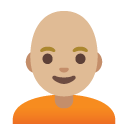
Person: Medium-light Skin Tone, Bald
U+1F9D1 U+1F3FC U+200D U+1F9B2 · :person_mediumlight_skin_tone_bald:
Trend 45
Meaning layers
- interpretation
- Used to represent someone who is confidently bald, going through hair loss, or embracing a shaved-head look. Also used humorously to represent someone 'unbothered' or owning their appearance.
- tiktok usage
- Appears in hair loss journey videos, 'confidence glow-up' content, and jokes about stress causing hair loss. Often paired with sunglasses or flex emojis.
- irony level
- 5 / 10
Platform meanings
- meaning
- Represents someone bald or going bald, used in hair loss journey content, confidence transformations, and humorous stress-baldness jokes.
- trend usage
- Featured in before/after hair transformation videos, 'shaving my head for the first time' trends, and reaction content to stressful news.
- hashtags
- #baldisbeautiful#baldandconfident#hairlossjourney#baldtransformation#nobadhairdayswhenbalded
- virality score
- 52 / 100
Cultural meanings
🇺🇸
Western / Gen-Z
Used humorously and confidently as a self-identifier by bald Gen Z individuals and in stress-baldness memes; baldness increasingly seen as cool rather than stigmatized.
🇵🇰
Pakistan & India
Often used to tease a bald family member or friend affectionately; may reference religious head shaving (pilgrimage) or uncle-ji bald jokes in family group chats.
🌍
Middle East
Can reference religious head shaving practices during Hajj or Umrah, or used humorously for bald family elders; bald men are often seen as distinguished.
🌐
Global Neutral
Universally understood as representing a bald person; used across cultures for identification, humor, and inclusivity in digital communication.
🇧🇩
Bangladesh
Used similarly to Pakistan/India — teasing bald relatives, referencing religious shaving rituals, or humorous commentary on aging.
🇱🇰
Sri Lanka
May be used to reference Buddhist monk aesthetic (shaved heads as spiritual practice) or affectionately for bald community members.
🇨🇳
China
Baldness can carry mixed cultural connotations; emoji used mostly in humor contexts or to represent older male figures, sometimes in 'uncle' meme culture.
🇯🇵
Japan
Associated with Buddhist monks, yakuza aesthetics, or anime characters like Saitama; used in humor about aging or powerful character archetypes.
🇰🇷
South Korea
Less common due to high emphasis on hair culture (K-beauty); when used, often ironically or to represent someone who boldly defies beauty norms.
🇹🇼
Taiwan
Used humorously in chat to reference bald individuals or in meme culture; occasional reference to Buddhist clergy context.
🇭🇰
Hong Kong
Used in casual humor and meme culture; sometimes references successful 'boss' archetypes as many powerful businessman stereotypes are bald.
🇵🇭
Philippines
Used to tease bald family members warmly; also in humor about stress causing hair loss, which is very relatable in OFW (Overseas Filipino Worker) chat culture.
🇮🇩
Indonesia
Can reference Islamic pilgrimage head shaving; also used humorously in family contexts to reference bald dads or uncles.
🇹🇭
Thailand
Strongly associated with Buddhist monk imagery (monks shave heads); used with respect in religious contexts or humorously in casual meme culture.
🇻🇳
Vietnam
Used mostly in humor and meme contexts; baldness can be associated with wisdom or aging, so sometimes used respectfully for elder figures.
🇲🇾
Malaysia
Multi-cultural usage — can reference Hajj shaving in Malay Muslim contexts, or general bald humor in Chinese-Malaysian and Tamil-Malaysian communities.
🇸🇦
Saudi Arabia
Strongly tied to Hajj/Umrah pilgrimage context where head shaving is a ritual; also used respectfully to represent dignified bald elder men.
🇦🇪
UAE
Used in diverse expat-heavy digital culture for both religious (pilgrimage) references and general humor; baldness often associated with powerful business figures.
🇪🇬
Egypt
Used humorously in family chats to reference bald relatives; also contextually appropriate around Hajj season for shaving references.
🇹🇷
Turkey
Used in humor and meme culture; bald men are often portrayed as funny or authoritative in Turkish comedy, making this emoji moderately popular in jokes.
🇮🇷
Iran
Used mainly for humor and to represent bald family members; less cultural significance attached to baldness specifically.
🇳🇬
Nigeria
Used in humor and banter to tease bald friends; in Nigerian internet culture, baldness jokes are common and affectionate rather than offensive.
🇿🇦
South Africa
Used across diverse communities for bald humor and representation; may appear in memes about stress, aging, or confident self-presentation.
🇬🇧
UK & Ireland
Frequently used in banter and bald jokes — UK humor around baldness is well-established; also used sincerely in hair loss support communities.
🇫🇷
France
Used in casual humor; French internet culture uses it in meme contexts, particularly referencing 'chauve et classe' (bald and classy) archetypes.
🇩🇪
Germany
Used straightforwardly to represent bald individuals or in humor; German digital culture treats it matter-of-factly with occasional meme usage.
🇪🇸
Spain & Italy
Used in playful family banter and humor; bald men in Southern European cultures are often teased warmly, making this emoji common in family group chats.
🇧🇷
Brazil
Used extensively in humor and meme culture; Brazilian internet is highly meme-forward and bald jokes are popular, often tied to famous bald Brazilian public figures.
🇲🇽
Mexico
Used in family humor and meme culture; 'calvo' (bald) jokes are common and affectionate in Mexican digital communication.
🌎
Latin America
Broadly used for bald humor, family banter, and meme culture across Latin America; universally understood and moderately popular.
🇦🇺
Australia & NZ
Used in casual banter and humor similar to UK; Australians use it in classic self-deprecating humor about sun exposure and baldness being a 'deadly combo'.
How its meaning shifted
- 2010
Emoji of this type did not yet exist; baldness representation in digital communication was limited to text descriptions or basic yellow-face emojis.
- 2015
Basic bald emoji options were extremely limited; baldness was represented through workarounds or absent entirely from mainstream emoji sets.
- 2020
After Unicode introduced bald person emojis (2018) with skin tone variants, usage grew steadily — primarily in hair loss communities, grooming content, and bald humor memes.
- 2026
Solidly established in digital vocabulary; used confidently for self-representation, stress-baldness humor, bald celebrity discourse, and body-positive content across all major platforms.
See it on every platform
Compare with
Adjacent emojis
- Often confused with
- baby angelperson in lotus positionghost
- Can replace
- skullsunglasses faceperson shrugging
Share & embed
Frequently asked
01What does the 🧑🏼🦲 Person: Medium-light Skin Tone, Bald emoji mean?
A person with medium-light skin tone and a bald head, representing baldness or a shaved head aesthetic. Part of the Unicode person emoji family with skin tone modifiers.
02What does 🧑🏼🦲 mean on TikTok?
Represents someone bald or going bald, used in hair loss journey content, confidence transformations, and humorous stress-baldness jokes.
03What does 🧑🏼🦲 mean on WhatsApp?
Used casually to refer to a bald friend or family member, or to joke that something stressful is causing hair loss.
04What does 🧑🏼🦲 mean in Gen-Z slang?
Used to represent someone who is confidently bald, going through hair loss, or embracing a shaved-head look. Also used humorously to represent someone 'unbothered' or owning their appearance.
05Is the 🧑🏼🦲 emoji safe to use?
Represents bald individuals with medium-light skin tone in an inclusive and neutral way; used for self-identification, humor, and representation.
06What does 🧑🏼🦲 mean in texting?
Baldness carries a dual emotional weight — it can represent body-positive confidence and self-acceptance, but also touches on insecurity, aging, or illness-related hair loss. The medium-light skin tone adds a layer of specific identity representation.
07What is the shortcode for 🧑🏼🦲?
The shortcode for Person: Medium-light Skin Tone, Bald is :person_mediumlight_skin_tone_bald:
08What does 🧑🏼🦲 mean in dating?
Occasionally used playfully when someone reveals they shave their head or is going bald, signaling openness or attraction to the bald look. 'You bald? 🧑🏼🦲 still cute tho'
Safety & usage
- Safe meaning
- Represents bald individuals with medium-light skin tone in an inclusive and neutral way; used for self-identification, humor, and representation.
- Caution
- Could potentially be used mockingly toward someone experiencing medically-induced hair loss (e.g., chemotherapy) if used carelessly in that context.
Generally safe. Use with care when referencing someone's involuntary hair loss due to illness — context matters to avoid insensitivity around alopecia or cancer treatment.
How it looks across platforms


Appearance varies by platform and device. Google Noto, Twemoji, and OpenMoji are open-source.