🧑🏽🦲
The Emoji
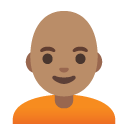
Person: Medium Skin Tone, Bald
U+1F9D1 U+1F3FD U+200D U+1F9B2 · :person_medium_skin_tone_bald:
Trend 55
Meaning layers
- interpretation
- Used to represent baldness humorously, self-deprecate about hair loss, or describe someone as 'that bald guy energy.' Often used when referencing Mr. Clean, Walter White, or the 'sigma bald' archetype.
- tiktok usage
- Appears in POV skits about hair loss, gym bro culture, and 'no thoughts head empty' memes. Also used to tag bald influencers or make fun of receding hairlines.
- irony level
- 6 / 10
Platform meanings
- meaning
- Represents baldness, gym-bro archetypes, confident energy, or villainous main character vibes
- trend usage
- Used in POV trends like 'POV: you shaved your head and gained sigma energy 🧑🏽🦲' and hair loss transformation videos
- hashtags
- #baldisbeautiful#baldgang#sigmaenergy#hairloss#baldandconfident
- virality score
- 58 / 100
Cultural meanings
🇺🇸
Western / Gen-Z
Heavily meme-coded — associated with Walter White, sigma male archetypes, and gym bro culture. Used ironically and confidently.
🇵🇰
Pakistan & India
Used to represent older uncles, respected elders, or spiritual figures who are bald. Can also be used humorously in Bollywood-referencing meme culture.
🌍
Middle East
Associated with respected older men or scholars. Also used in meme culture on platforms like Twitter to represent dominant or authoritative figures.
🌐
Global Neutral
Universally understood as a bald person; tone is typically determined by surrounding context and culture of the sender.
🇧🇩
Bangladesh
Used similarly to South Asian contexts — representing elders, uncles, or figures in authority. Occasionally appears in humorous family group chats.
🇱🇰
Sri Lanka
Used to reference bald elders or teachers in a respectful or comedic way. Less meme-heavy than Western usage.
🇨🇳
China
Associated with Buddhist monks, wise elders, or bald celebrities. Meme usage is less prominent but growing on Weibo and Douyin.
🇯🇵
Japan
Can evoke Buddhist monk imagery or yakuza aesthetics. Used in playful contexts or gaming culture to reference bald characters like Saitama from One Punch Man.
🇰🇷
South Korea
Often used humorously in K-pop and K-drama fan communities when a male idol shaves their head for military service. Also used in gym culture memes.
🇹🇼
Taiwan
Similar to broader East Asian usage — references Buddhist imagery or playful mockery of hair loss, especially among older relatives.
🇭🇰
Hong Kong
Used in casual meme contexts and to reference well-known bald public figures in film or business. Carries some comedic weight.
🇵🇭
Philippines
Used humorously to represent bald family elders or in meme culture referencing action movie characters. Very context-dependent.
🇮🇩
Indonesia
Associated with religious figures (Islamic scholars often have shaved heads) or older respected men. Used neutrally or with affection in family contexts.
🇹🇭
Thailand
Strongly associated with Buddhist monks due to cultural context. Using it carelessly can imply religious connotation unintentionally.
🇻🇳
Vietnam
Used to represent bald elders or monks; in younger internet culture, adopted more humorously for meme-based 'big brain' or powerful character tropes.
🇲🇾
Malaysia
Reflects both Islamic religious figure aesthetics and comedic usage among youth. Often used to describe someone as bold or intimidating.
🇸🇦
Saudi Arabia
Can reference religious scholars or respected elders. Used carefully in formal contexts; more freely in meme or youth digital culture.
🇦🇪
UAE
Used in multicultural social media spaces to represent bald colleagues or in meme culture. Tone is largely casual and humor-driven in younger demographics.
🇪🇬
Egypt
Associated with older authority figures or used comedically to describe someone as a tough, no-nonsense character.
🇹🇷
Turkey
Used humorously for bald relatives or public figures. Turkish meme culture embraces it in the context of 'abi' (older brother) or tough guy energy.
🇮🇷
Iran
Used in casual digital communication to represent bald individuals; occasionally carries comedic undertone in younger online spaces.
🇳🇬
Nigeria
Used to represent bald elders or authority figures. In Nollywood meme culture, associated with tough or powerful characters.
🇿🇦
South Africa
Used similarly to Western Gen Z contexts with local flavor — referencing bald public figures or used in township humor memes.
🇬🇧
UK & Ireland
Used in banter culture to roast bald friends or reference bald celebrities and football managers. Widely used in comedic group chats.
🇫🇷
France
Used with Gallic humor to describe bald friends or reference famous bald French figures. Less meme-heavy but common in casual digital conversations.
🇩🇪
Germany
Used straightforwardly or in deadpan humor contexts. Associated with efficiency and no-nonsense energy in meme culture.
🇪🇸
Spain & Italy
Used in family group chats to reference bald relatives, or in meme culture to portray mafia/boss energy characters.
🇧🇷
Brazil
Heavily used in meme culture — associated with bald Brazilian celebrities, politicians, or used in 'sigma' meme formats popular on Twitter and TikTok.
🇲🇽
Mexico
Used humorously in family and friend chats, often to describe a bald 'tio' (uncle) or in lucha libre and telenovela villain meme formats.
🌎
Latin America
Broadly used across Latin America to represent bald authority figures, comedic family members, or in villain-coded meme contexts.
🇦🇺
Australia & NZ
Used in banter-heavy culture to roast mates about baldness. Also appears in charity shave (World's Greatest Shave) social media posts.
How its meaning shifted
- 2010
Emoji didn't exist yet; baldness was represented through text descriptions or basic yellow-face emojis with no skin tone or hair variation.
- 2015
Still unavailable as a distinct emoji; general person emojis with default yellow skin were the closest option. Baldness was described in words.
- 2020
Newly released (Unicode 12.0, 2019), starting to gain traction. Used literally to represent bald individuals and beginning to appear in meme contexts around Walter White and bald gym archetypes.
- 2026
Fully integrated into meme vocabulary — sigma male culture, villain arc content, and bald pride movements all adopt it. Widely used across all major platforms with high irony and confidence connotations.
See it on every platform
Adjacent emojis
Share & embed
Frequently asked
01What does the 🧑🏽🦲 Person: Medium Skin Tone, Bald emoji mean?
A person with medium skin tone and a bald head, representing baldness across any gender identity.
02What does 🧑🏽🦲 mean on TikTok?
Represents baldness, gym-bro archetypes, confident energy, or villainous main character vibes
03What does 🧑🏽🦲 mean on WhatsApp?
Used to describe or reference a bald person in conversation, often humorously
04What does 🧑🏽🦲 mean in Gen-Z slang?
Used to represent baldness humorously, self-deprecate about hair loss, or describe someone as 'that bald guy energy.' Often used when referencing Mr. Clean, Walter White, or the 'sigma bald' archetype.
05Is the 🧑🏽🦲 emoji safe to use?
A neutral and inclusive representation of a bald person with medium skin tone, used in everyday communication to refer to baldness or represent bald individuals.
06What does 🧑🏽🦲 mean in texting?
Baldness carries dual psychological weight — societal beauty standards can make it a source of insecurity, yet many reclaim it as a symbol of confidence and masculinity or boldness.
07What is the shortcode for 🧑🏽🦲?
The shortcode for Person: Medium Skin Tone, Bald is :person_medium_skin_tone_bald:
08What does 🧑🏽🦲 mean in dating?
Rarely used in direct flirting; may appear as a self-deprecating joke by someone who is bald, e.g., 'This is me 😏🧑🏽🦲'
Safety & usage
- Safe meaning
- A neutral and inclusive representation of a bald person with medium skin tone, used in everyday communication to refer to baldness or represent bald individuals.
- Caution
- Occasionally used in harassment contexts to mock someone's hair loss or target bald individuals in body-shaming commentary.
Rarely misused, but can appear in targeted harassment about alopecia, chemotherapy-related hair loss, or body image shaming. Context monitoring is advisable in toxic communities.
How it looks across platforms


Appearance varies by platform and device. Google Noto, Twemoji, and OpenMoji are open-source.