🏊🏽
The Emoji
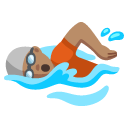
Person Swimming: Medium Skin Tone
U+1F3CA U+1F3FD · :person_swimming_medium_skin_tone:
Trend 55
Meaning layers
- interpretation
- Used to signal 'going with the flow,' grinding through challenges, staying in motion, or being in a constant hustle. Also used literally to flex an active lifestyle or swimming hobby.
- tiktok usage
- Appears in workout motivation videos, summer pool content, athlete lifestyle vlogs, and sometimes paired with captions about pushing through tough situations.
- irony level
- 2 / 10
Platform meanings
- meaning
- Represents athletic swimming, summer vibes, fitness hustle, or metaphorically 'pushing through'
- trend usage
- Featured in swim team videos, summer body transformation content, pool POV videos, and motivational montages
- hashtags
- #SwimLife#PoolDay#FitnessGoals#SummerVibes#SwimTok
- virality score
- 58 / 100
Cultural meanings
🇺🇸
Western / Gen-Z
Used both literally for swim content and metaphorically to mean 'pushing through' or 'staying afloat' in tough situations. The medium skin tone is appreciated for representation.
🇵🇰
Pakistan & India
Primarily used in fitness and sports contexts; swimming is a growing recreational and competitive sport, and this emoji is used proudly by swimmers and gym-goers to represent aquatic workouts.
🌍
Middle East
Used in contexts of leisure swimming in private pools or resort settings, which are common in Gulf countries; also seen in sports content around regional swim competitions.
🌐
Global Neutral
Universally understood as representing swimming as sport or recreation, with the medium skin tone adding inclusive representation across diverse communities.
🇧🇩
Bangladesh
Swimming carries cultural significance given the country's riverine geography; the emoji is used both for sport and nostalgic references to traditional open-water swimming.
🇱🇰
Sri Lanka
Associated with beach and ocean swimming given Sri Lanka's coastal culture; used in tourism, fitness, and leisure contexts.
🇨🇳
China
Used in contexts of competitive swimming and school physical education; Chinese Olympic swim team coverage boosts its seasonal relevance.
🇯🇵
Japan
Swimming is a popular school sport in Japan; this emoji is widely used during school swim season and national competitions, carrying wholesome athletic connotations.
🇰🇷
South Korea
Common in fitness and health-focused social posts; South Korean swim culture is strong, and the emoji is used in athletic training and sports achievement content.
🇹🇼
Taiwan
Used in fitness communities and summer beach/pool content; Taiwanese users appreciate skin tone diversity in emoji representation.
🇭🇰
Hong Kong
Associated with competitive swimming, given Hong Kong's strong tradition in the sport; used in sports club and athletic achievement posts.
🇵🇭
Philippines
Given the archipelagic nature of the Philippines, swimming is a life skill and leisure activity; the emoji appears in beach, resort, and fitness content frequently.
🇮🇩
Indonesia
Used in beach tourism, fitness, and island-lifestyle content; Indonesia's vast coastline makes swimming a culturally relevant activity.
🇹🇭
Thailand
Associated with resort swimming, beach tourism, and national sports competitions; commonly seen in Thai fitness and travel content.
🇻🇳
Vietnam
Swimming is growing in popularity as a sport and recreational activity; the emoji is used in fitness posts, beach content, and national sports coverage.
🇲🇾
Malaysia
Used in fitness, beach, and resort contexts; Malaysia's coastal culture and growing sports scene make this emoji relevant in health and leisure posts.
🇸🇦
Saudi Arabia
Swimming is popular in private and resort settings; with growing sports culture and Vision 2030 fitness initiatives, this emoji is increasingly seen in Saudi wellness content.
🇦🇪
UAE
Heavily associated with luxury resort pools and beach clubs; frequently used in Dubai and Abu Dhabi leisure and wellness content by expats and locals alike.
🇪🇬
Egypt
Swimming in the Nile has historical significance, and modern pool culture is growing; the emoji is used in sports, fitness, and summer leisure posts.
🇹🇷
Turkey
Turkey's coastal culture and strong competitive swimming tradition make this emoji common in beach, resort, and athletic content.
🇮🇷
Iran
Swimming is a popular sport, though gender-segregated facilities influence context; the emoji is used in sports and fitness content, particularly among male athletes publicly.
🇳🇬
Nigeria
Swimming as a competitive sport is growing; the emoji is used in urban fitness culture, pool leisure content, and sports development discussions.
🇿🇦
South Africa
Swimming is a major sport with strong Olympic tradition (e.g., Chad le Clos); the emoji carries national pride in swimming contexts and general fitness usage.
🇬🇧
UK & Ireland
Used for leisure pool visits, competitive swimming, and Olympic support content; commonly seen during Team GB swim events and summer holiday posts.
🇫🇷
France
Swimming is a prominent sport and leisure activity; frequently used during French Open Water and pool competition seasons, as well as summer vacation content.
🇩🇪
Germany
Associated with disciplined athletic training and leisure swimming; Germany's strong sports culture means this emoji appears in both competitive and recreational contexts.
🇪🇸
Spain & Italy
Linked to Mediterranean beach and pool culture; used in summer vacation posts, water sport content, and fitness communities in both countries.
🇧🇷
Brazil
Swimming is a beloved sport with strong Olympic representation; the emoji is commonly used in sports pride content, beach lifestyle posts, and fitness motivation.
🇲🇽
Mexico
Used in beach tourism, fitness, and summer leisure content; Mexico's extensive coastline and resort culture make swimming a relatable and aspirational activity.
🌎
Latin America
Broadly used across Latin America in beach, pool, and fitness contexts; resonates with the region's warm climate and outdoor active culture.
🇦🇺
Australia & NZ
Swimming is deeply embedded in Australian and New Zealand culture; the emoji is used frequently for beach trips, pool training, surf culture, and national sports pride.
How its meaning shifted
- 2010
Rarely used; the base swimmer emoji existed but skin tone modifiers were not yet available. Swimming emojis were niche and primarily used in literal sporting contexts.
- 2015
Skin tone modifiers introduced in Unicode 8.0 (2015) made this variant available; early adopters used it for representation and literal swimming/sports content.
- 2020
Usage grew significantly with increased focus on diversity, fitness culture, and Olympic content; became common in summer, pool, and workout posts.
- 2026
Widely used across platforms for fitness, summer aesthetics, and metaphorical 'keep swimming' resilience content; the medium skin tone variant is normalized as part of inclusive emoji usage norms.
See it on every platform
Compare with
Adjacent emojis
Share & embed
Frequently asked
01What does the 🏊🏽 Person Swimming: Medium Skin Tone emoji mean?
A person swimming with medium skin tone, depicted in a front crawl or freestyle stroke position in water, representing the sport and activity of swimming.
02What does 🏊🏽 mean on TikTok?
Represents athletic swimming, summer vibes, fitness hustle, or metaphorically 'pushing through'
03What does 🏊🏽 mean on WhatsApp?
Telling someone you're going swimming or at the pool. Also casually used to represent being busy and staying afloat.
04What does 🏊🏽 mean in Gen-Z slang?
Used to signal 'going with the flow,' grinding through challenges, staying in motion, or being in a constant hustle. Also used literally to flex an active lifestyle or swimming hobby.
05Is the 🏊🏽 emoji safe to use?
A straightforward, positive emoji representing swimming as a sport, fitness activity, or recreational pursuit. Inclusively represents medium skin tone individuals.
06What does 🏊🏽 mean in texting?
Swimming is often associated with meditative focus and rhythmic endurance; this emoji carries a sense of calm persistence and physical empowerment, especially with the medium skin tone adding a layer of personal identity.
07What is the shortcode for 🏊🏽?
The shortcode for Person Swimming: Medium Skin Tone is :person_swimming_medium_skin_tone:
08What does 🏊🏽 mean in dating?
Could be used to invite someone to the pool or beach, subtly flexing a fit body or active lifestyle. Sometimes sent to hint at a pool date.
Safety & usage
- Safe meaning
- A straightforward, positive emoji representing swimming as a sport, fitness activity, or recreational pursuit. Inclusively represents medium skin tone individuals.
- Caution
- Virtually no toxic or harmful usage patterns; occasionally used in self-deprecating humor about 'drowning' in stress or problems.
No significant warning concerns. In rare edge cases, could appear in content trivializing water safety or drowning risks, but this is uncommon.
How it looks across platforms


Appearance varies by platform and device. Google Noto, Twemoji, and OpenMoji are open-source.