🧑🏾🦯
The Emoji
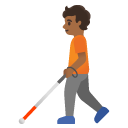
Person With White Cane: Medium-dark Skin Tone
U+1F9D1 U+1F3FE U+200D U+1F9AF · :person_with_white_cane_mediumdark_skin_tone:
Trend 32
Meaning layers
- interpretation
- Used metaphorically to say someone is 'blind' to obvious things, clueless, or navigating life uncertainly. Also used in genuine disability representation and accessibility awareness content.
- tiktok usage
- Appears in 'I can't see what's right in front of me' relatable content, self-deprecating humor about missing obvious signs, or disability pride TikToks.
- irony level
- 4 / 10
Platform meanings
- meaning
- Represents navigating life blindly, disability pride, or metaphorical blindness to situations
- trend usage
- Used in duets and POVs about missing obvious signs in relationships or life; also popular in disability awareness trending videos
- hashtags
- #DisabilityPride#BlindTok#AccessibilityMatters#DisabledAndThriving#NavigatingLife
- virality score
- 38 / 100
Cultural meanings
🇺🇸
Western / Gen-Z
Used both in genuine disability pride and representation contexts and ironically to signal someone is metaphorically blind to obvious things; common in accessibility activism content.
🇵🇰
Pakistan & India
Primarily interpreted literally as representing visual impairment; used in disability awareness campaigns and social welfare discussions, though metaphorical use is emerging in urban digital spaces.
🌍
Middle East
Interpreted mostly literally as a person with a disability; appears in charity and social welfare content related to people with visual impairments.
🌐
Global Neutral
Universally recognized as representing a person who is blind or visually impaired using a mobility aid; the medium-dark skin tone adds representation for darker-skinned communities.
🇧🇩
Bangladesh
Mainly used in disability awareness and charitable contexts; the skin tone is seen as more regionally relatable, making it popular in local accessibility advocacy content.
🇱🇰
Sri Lanka
Used in disability support and welfare discussions; appreciated for the inclusive skin tone representation in a South Asian context.
🇨🇳
China
Interpreted as a representation of visual impairment; used in disability rights and accessibility technology discussions, though emoji culture is less prevalent for sensitive disability topics.
🇯🇵
Japan
Associated with disability etiquette and accessibility features in public spaces; Japan has a strong culture of disability accommodation so this emoji appears in public awareness campaigns.
🇰🇷
South Korea
Used in disability visibility and social inclusion discussions; the metaphorical use of 'not seeing' something can appear in ironic digital culture contexts.
🇹🇼
Taiwan
Used in accessibility rights movements and disability community social media; appreciated for including diverse skin tones in disability representation.
🇭🇰
Hong Kong
Appears in disability advocacy and social inclusion content; used occasionally in ironic commentary about being oblivious to social or political issues.
🇵🇭
Philippines
Used in disability awareness campaigns and inclusion advocacy; the darker skin tone resonates with Filipino users as more representative of their community.
🇮🇩
Indonesia
Primarily used in disability support and social welfare contexts; appears in Islamic charity discussions related to caring for those with disabilities.
🇹🇭
Thailand
Used in disability rights and accessibility content; also appears in relatable social media posts about missing obvious signs in life situations.
🇻🇳
Vietnam
Mostly used in disability awareness and charitable donation contexts; straightforward literal interpretation predominates over ironic usage.
🇲🇾
Malaysia
Used in inclusive community discussions and disability awareness campaigns; the medium-dark skin tone is appreciated for better representing diverse Malaysian communities.
🇸🇦
Saudi Arabia
Used primarily in disability welfare and charity contexts, aligning with Islamic values of supporting people with disabilities; skin tone adds relatability for the region.
🇦🇪
UAE
Appears in inclusive design and disability employment discussions in the UAE's growing diversity and inclusion corporate culture landscape.
🇪🇬
Egypt
Used in disability welfare discussions and awareness campaigns; metaphorical use about being 'blind' to social issues appears in political commentary.
🇹🇷
Turkey
Used in disability rights advocacy and accessible city design discussions; occasionally used sarcastically in political commentary about government ignoring visible problems.
🇮🇷
Iran
Interpreted literally in disability support and awareness contexts; the emoji is used in charitable and social welfare discussions about visual impairment.
🇳🇬
Nigeria
The medium-dark skin tone makes this emoji particularly relatable for Nigerian users; used in disability inclusion and accessibility advocacy as well as in ironic social commentary.
🇿🇦
South Africa
Widely used in disability rights and inclusive society discussions; the skin tone representation resonates strongly with the diverse population and disability advocacy communities.
🇬🇧
UK & Ireland
Used in disability representation, accessibility rights campaigns, and Guide Dogs or RNIB-related discussions; Gen Z also uses it ironically for metaphorical blindness.
🇫🇷
France
Used in disability rights (droits des personnes handicapées) and inclusion discussions; the metaphorical 'not seeing' usage appears in political satire contexts.
🇩🇪
Germany
Associated with disability access (Barrierefreiheit) campaigns and inclusive workplace discussions; used straightforwardly with a focus on accessibility rights.
🇪🇸
Spain & Italy
Used in disability awareness and inclusion campaigns; the metaphorical blindness usage is moderately popular in social media commentary about people ignoring obvious truths.
🇧🇷
Brazil
Used in disability inclusion (inclusão) discussions and accessibility advocacy; the medium-dark skin tone resonates with Brazil's diverse population and is seen as culturally inclusive.
🇲🇽
Mexico
Appears in disability rights and inclusive education discussions; the skin tone representation is appreciated in a country with significant Indigenous and mixed-heritage populations.
🌎
Latin America
Used across Latin America in disability awareness and social inclusion campaigns; the darker skin tone emoji is particularly valued for representing Afro-Latino and Indigenous communities.
🇦🇺
Australia & NZ
Used in disability pride, NDIS-related discussions, and accessibility advocacy; Gen Z Australians and Kiwis also use it in ironic contexts about being oblivious.
How its meaning shifted
- 2010
This emoji did not exist in 2010; white cane emojis were not yet part of Unicode and disability representation in emoji was largely absent.
- 2015
Still not introduced; disability-specific emojis were being advocated for but had not been added to the Unicode standard yet.
- 2020
Introduced as part of Unicode 12.0 (2019) and gained traction in 2020 during broader conversations about emoji diversity and disability representation; used primarily in disability advocacy contexts.
- 2026
Established as a recognized symbol of visual impairment and disability pride; increasingly used in both genuine accessibility advocacy and metaphorical ironic contexts by Gen Z across all major platforms.
See it on every platform
Adjacent emojis
- Often confused with
- hiking polemagic wandwalking stick
Share & embed
Frequently asked
01What does the 🧑🏾🦯 Person With White Cane: Medium-dark Skin Tone emoji mean?
A person using a white cane, depicted with medium-dark skin tone, representing blindness or visual impairment and the use of mobility aids.
02What does 🧑🏾🦯 mean on TikTok?
Represents navigating life blindly, disability pride, or metaphorical blindness to situations
03What does 🧑🏾🦯 mean on WhatsApp?
Represents a visually impaired person or metaphorically 'I didn't see that coming'
04What does 🧑🏾🦯 mean in Gen-Z slang?
Used metaphorically to say someone is 'blind' to obvious things, clueless, or navigating life uncertainly. Also used in genuine disability representation and accessibility awareness content.
05Is the 🧑🏾🦯 emoji safe to use?
Represents disability pride, visual impairment, use of white cane as mobility aid, and accessibility advocacy.
06What does 🧑🏾🦯 mean in texting?
Evokes feelings of empathy and admiration for those navigating the world with disability; when used metaphorically it taps into shared human feelings of uncertainty and vulnerability.
07What is the shortcode for 🧑🏾🦯?
The shortcode for Person With White Cane: Medium-dark Skin Tone is :person_with_white_cane_mediumdark_skin_tone:
08What does 🧑🏾🦯 mean in dating?
Rarely used in flirting; occasionally used humorously like 'I was blind until I found you' but this is uncommon and can be insensitive.
Safety & usage
- Safe meaning
- Represents disability pride, visual impairment, use of white cane as mobility aid, and accessibility advocacy.
- Caution
- Can be used mockingly toward blind or visually impaired people, or weaponized as an insult implying someone is stupid or oblivious.
Care should be taken not to use this emoji in mocking contexts toward people with disabilities; the metaphorical 'blindness' usage, while common, can be seen as ableist if used carelessly.
How it looks across platforms


Appearance varies by platform and device. Google Noto, Twemoji, and OpenMoji are open-source.