🧑🏼🎤
The Emoji
Singer: Medium-light Skin Tone
U+1F9D1 U+1F3FC U+200D U+1F3A4 · :singer_mediumlight_skin_tone:
Trend 68
Meaning layers
- interpretation
- Used to flex creative energy, music obsession, or to signal being 'that girl/guy' who performs or wants to be famous. Also used ironically to hype up mundane activities as if they're a concert performance.
- tiktok usage
- Placed in bios or captions when lip-syncing, covering songs, or doing 'main character' performance content. Also used when hyping up a friend's singing moment.
- irony level
- 5 / 10
Platform meanings
- meaning
- Symbol of performance energy, aspiring artist identity, and lip-sync culture.
- trend usage
- Used in duets, cover videos, and performance skits. Appears in 'POV: you're a pop star' content.
- hashtags
- #singeremoji#mainchracter#popstar#performancecheck#artistvibes
- virality score
- 72 / 100
Cultural meanings
🇺🇸
Western / Gen-Z
Widely used to express pop-star fantasy, main character energy, and ironic self-hype. A staple in music-adjacent content and creative identity expression.
🇵🇰
Pakistan & India
Used by aspiring musicians, Bollywood fans, and karaoke lovers. Also deployed by young people to celebrate a friend's singing talent shared on WhatsApp or Instagram.
🌍
Middle East
Used among youth to reference pop and Arab music culture, often paired with clips of singing or music events. Appreciated in entertainment-forward contexts.
🌐
Global Neutral
Universally understood as representing a singer or performer. Safe to use across cultures to signal musical interest or performance activity.
🇧🇩
Bangladesh
Common among music enthusiasts and Rabindra Sangeet or modern pop fans. Used to celebrate singing talent in social media posts.
🇱🇰
Sri Lanka
Appears in posts related to local music culture, karaoke events, and talent show fandom. Seen as a fun, expressive emoji.
🇨🇳
China
Used on platforms like WeChat and Weibo to reference idol culture (偶像文化) and pop star fandom. Highly resonant with C-pop and reality TV singing show audiences.
🇯🇵
Japan
Associated with J-pop idol culture and karaoke (カラオケ) which is deeply embedded in social life. Used affectionately when referencing singing outings.
🇰🇷
South Korea
Strongly tied to K-pop culture and idol worship. Used extensively by fans and aspiring artists referencing the competitive music industry.
🇹🇼
Taiwan
Used in connection with Mandopop artists and local indie music scenes. Popular among young music fans on Instagram and Dcard.
🇭🇰
Hong Kong
References both Cantopop nostalgia and modern international pop culture. Used to celebrate local singing talent and concert experiences.
🇵🇭
Philippines
Filipinos, known for their love of singing and OPM (Original Pilipino Music), use this emoji frequently in karaoke contexts and to celebrate vocal talent.
🇮🇩
Indonesia
Used widely among youth music fans and aspiring artists. Tied to dangdut, pop Indonesia, and YouTube cover culture.
🇹🇭
Thailand
Common in T-pop and Thai idol fan communities. Also used at festivals and events referencing live music culture.
🇻🇳
Vietnam
Used in V-pop fan circles and karaoke social posts. Karaoke is a major social activity making this emoji culturally relevant.
🇲🇾
Malaysia
Appears in local music event posts, karaoke outings, and fan content for Malaysian pop artists. Reflects the country's multicultural music appreciation.
🇸🇦
Saudi Arabia
Used cautiously but growing in usage among youth on private platforms. References music streaming culture and international pop fandom among younger generations.
🇦🇪
UAE
Used openly in cosmopolitan contexts, especially in Dubai's entertainment scene. Associated with international concerts and a vibrant nightlife music culture.
🇪🇬
Egypt
Tied to Egyptian pop music culture and Arab Idol fandom. Used to cheer on singers and celebrate musical talent in comments and stories.
🇹🇷
Turkey
Strongly associated with Turkish pop (Türk Popu) and music competition shows. Used in fan posts and to celebrate vocal performances.
🇮🇷
Iran
Used discreetly among youth in reference to underground music scenes and international pop fandom. Carries a sense of creative freedom and self-expression.
🇳🇬
Nigeria
Used to represent Afrobeats artists and aspiring musicians. Common in music hype posts, fan pages, and celebration of Nigerian music on the global stage.
🇿🇦
South Africa
Used in connection with local music scenes including Amapiano and Afropop. A celebratory emoji in music discovery and artist promotion contexts.
🇬🇧
UK & Ireland
Associated with gig culture, indie music scenes, and pop star commentary. Used humorously and sincerely in music-related social media posts.
🇫🇷
France
Used in French music fan circles and when referencing chanson, pop, and electronic music culture. Also appears in ironic artistic identity posts.
🇩🇪
Germany
Common in music festival contexts (e.g., Wacken, Lollapalooza Berlin) and among electronic and indie music fans. Used straightforwardly to signal musical identity.
🇪🇸
Spain & Italy
Tied to vibrant music cultures including flamenco, Latin pop, and Italian cantautore traditions. Used warmly to celebrate singing and performing.
🇧🇷
Brazil
Strongly associated with Brazilian pop, funk, and sertanejo music cultures. A popular emoji in fan posts and celebrations of local and international artists.
🇲🇽
Mexico
Used in relation to regional Mexican music, pop, and Latin urban music. Frequently seen in concert posts and artist fan content.
🌎
Latin America
Broadly used across Latin America to celebrate reggaeton, cumbia, and pop artists. Signals pride in vocal and performance talent.
🇦🇺
Australia & NZ
Used in indie music circles, festival culture, and music competition show fandom. Casual and positive in tone, reflecting laid-back musical appreciation.
How its meaning shifted
- 2010
This specific emoji did not exist yet; skin tone modifiers and ZWJ sequences were not introduced until later Unicode versions.
- 2015
The base singer emoji concept was emerging with Unicode's expanded human activity emoji range, though this specific skin tone variant was still being standardized.
- 2020
Widely adopted as part of the diversity emoji push. Used primarily by musicians, creatives, and fans on Instagram and TikTok to signal performance identity.
- 2026
Fully mainstream in music-related content, meme culture, and ironic 'main character' posts. Integral to pop culture commentary and creative self-expression across platforms.
See it on every platform
Adjacent emojis
- Often confused with
- person dancingclapping handsstudio microphone
- Can replace
- microphonestar struckmusical notes
Share & embed
Frequently asked
01What does the 🧑🏼🎤 Singer: Medium-light Skin Tone emoji mean?
A person with medium-light skin tone depicted as a singer or rock star, typically shown with a microphone and stylized outfit.
02What does 🧑🏼🎤 mean on TikTok?
Symbol of performance energy, aspiring artist identity, and lip-sync culture.
03What does 🧑🏼🎤 mean on WhatsApp?
Sent when someone is singing in a voice note or audio message, or to say 'I'm in a musical mood.'
04What does 🧑🏼🎤 mean in Gen-Z slang?
Used to flex creative energy, music obsession, or to signal being 'that girl/guy' who performs or wants to be famous. Also used ironically to hype up mundane activities as if they're a concert performance.
05Is the 🧑🏼🎤 emoji safe to use?
Represents a singer or performer in a celebratory, creative, and positive context.
06What does 🧑🏼🎤 mean in texting?
Represents the desire for self-expression and public recognition. Psychologically tied to identity performance and the fantasy of being seen and celebrated.
07What is the shortcode for 🧑🏼🎤?
The shortcode for Singer: Medium-light Skin Tone is :singer_mediumlight_skin_tone:
08What does 🧑🏼🎤 mean in dating?
Used to flirt by implying you have a rockstar lifestyle or charisma, e.g., 'come to my show 🧑🏼🎤' as a playful invite.
Safety & usage
- Safe meaning
- Represents a singer or performer in a celebratory, creative, and positive context.
- Caution
- Rarely used toxically; could be used to mock someone for being overly dramatic or 'performing' emotions insincerely.
Generally safe for all audiences. No significant misuse patterns detected. Skin tone variants may occasionally prompt discussions about representation.
How it looks across platforms
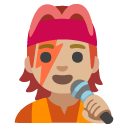


Appearance varies by platform and device. Google Noto, Twemoji, and OpenMoji are open-source.